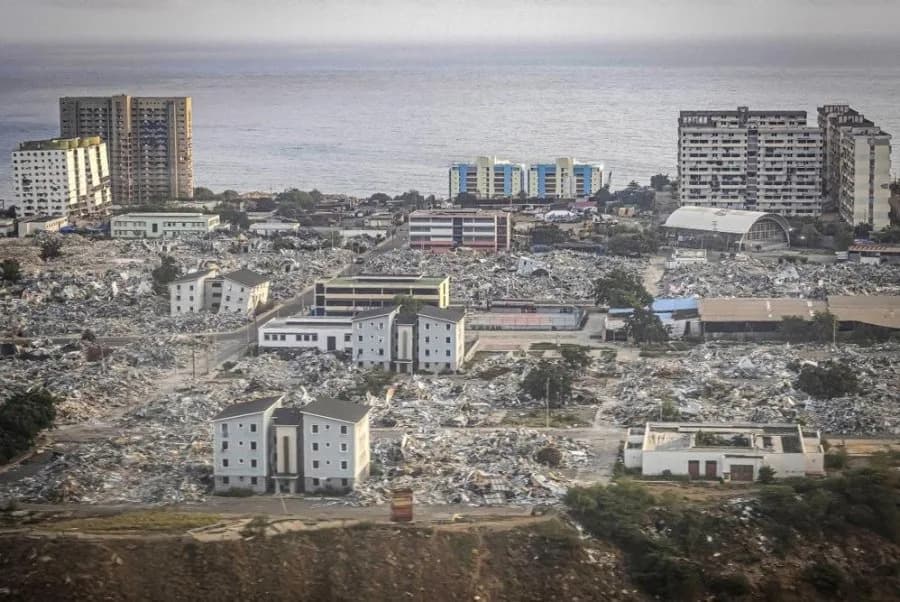
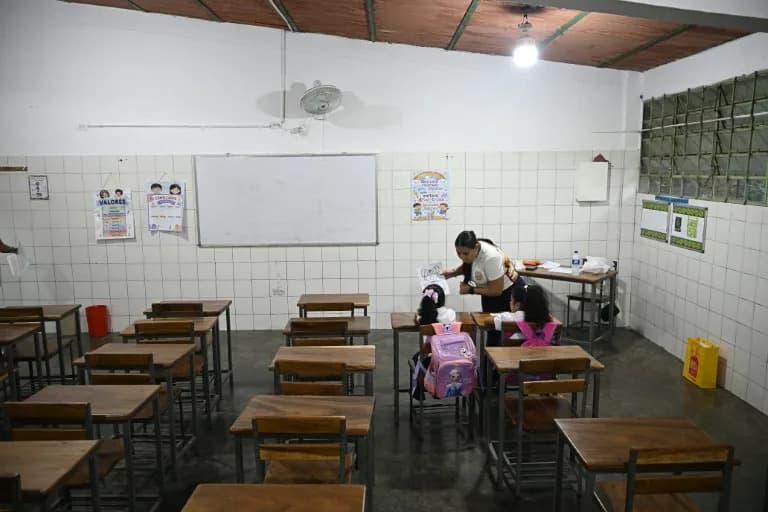
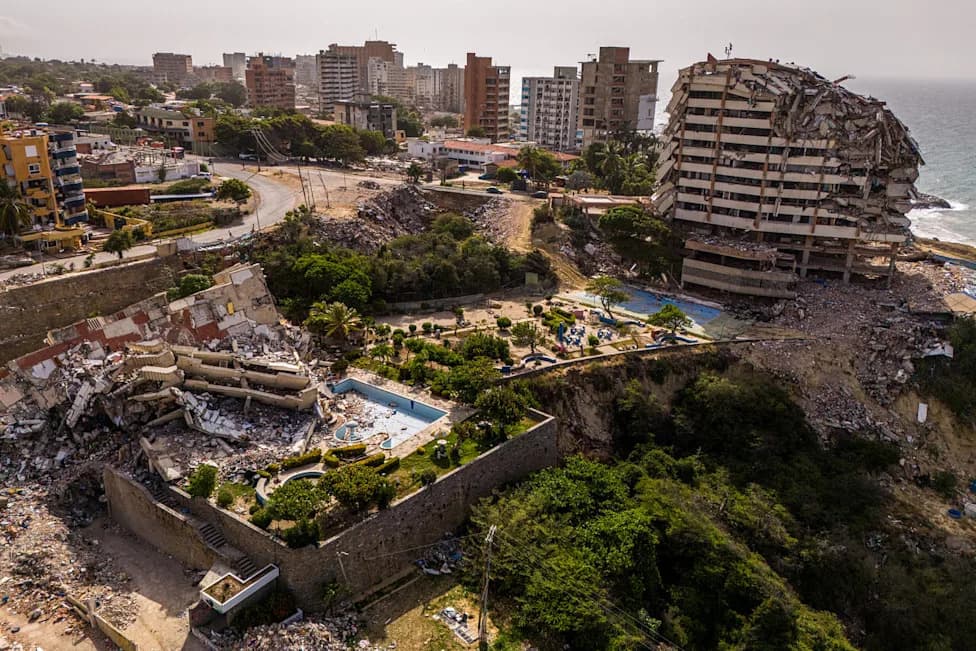
The twin earthquakes on June 24 devastated La Guaira, killing over 4,000 and injuring nearly 17,000, with the UN estimating roughly $37 billion in material damage. Small traders and family businesses have lost incomes and premises, some compounded by looting. While some shops in Maiquetia are reopening, experts warn recovery depends on sufficient resources, capable institutions and investor confidence. Community resilience offers hope, but economic recovery remains fragile.
La Guaira's Economic Future in Peril After Twin June 24 Quakes
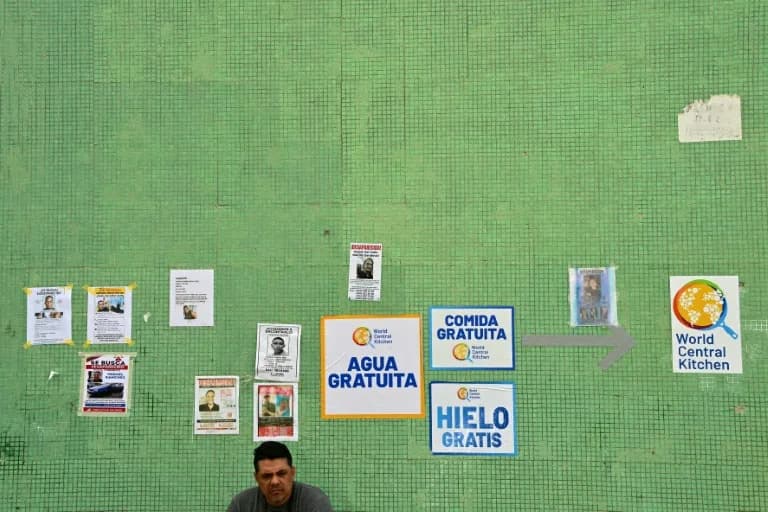
Many residents of Venezuela's La Guaira were made destitute by the devastating tremors on June 24 (MARTIN BERNETTI)
The coastal city of La Guaira, just north of Caracas, is facing deep economic uncertainty after two powerful earthquakes on June 24 reduced seaside high-rises to rubble and upended livelihoods across the region.
Human and Economic Toll
The twin tremors, measured at 7.2 and 7.5 in magnitude, have so far killed more than 4,000 people and injured nearly 17,000. The United Nations Office for Disaster Risk Reduction estimates almost $37 billion in material damage alone, while experts warn of far-reaching indirect effects on trade, transport and consumption.
Small Businesses and Livelihoods
Street vendors, market traders and family-run firms have been particularly hard hit. "What am I going to do? Where am I going to work? Where am I going to get money?" asked Faisuris Alvarez, who runs a beachside fish stand and now faces an uncertain future.
"The guy who sells clams, the one who sells boiled eggs, the ice-cream seller... What's become of those people?"
Many businesses were not only destroyed by the quakes but also looted in the chaotic aftermath. Luis Baena described watching his warehouse burn after looters took more than six containers of equipment. His family company, Bilight, which once supported more than 60 households, has been left in ruins.
Signs Of Recovery, But Challenges Remain
Some parts of the region, particularly Maiquetia — home to the port and airport — are showing tentative signs of reopening. Hairdresser Anabel Delgado and other small shop owners have started to reopen doors, offering a glimmer of normalcy amid devastation. "If God left us here, it is so we can offer comfort, carry on and keep fighting for those of us who remain," she said.
Still, economists stress that reconstruction will determine whether rebuilding becomes an engine of recovery or a prolonged drain. "Reconstruction can become a driver of economic activity, but only if there are sufficient resources, institutions capable of carrying it out, and rules that generate confidence for investment," said economist Asdrubal Oliveros.
Outlook
As rescue operations wind down and many residents leave the area—driven by economic hardship or trauma—the streets of La Guaira remain quieter than before. Yet community leaders and business owners express resolve to rebuild. "Together we will make this a livable place," Baena said, even as questions about funding, governance and long-term recovery loom large.
Help us improve.