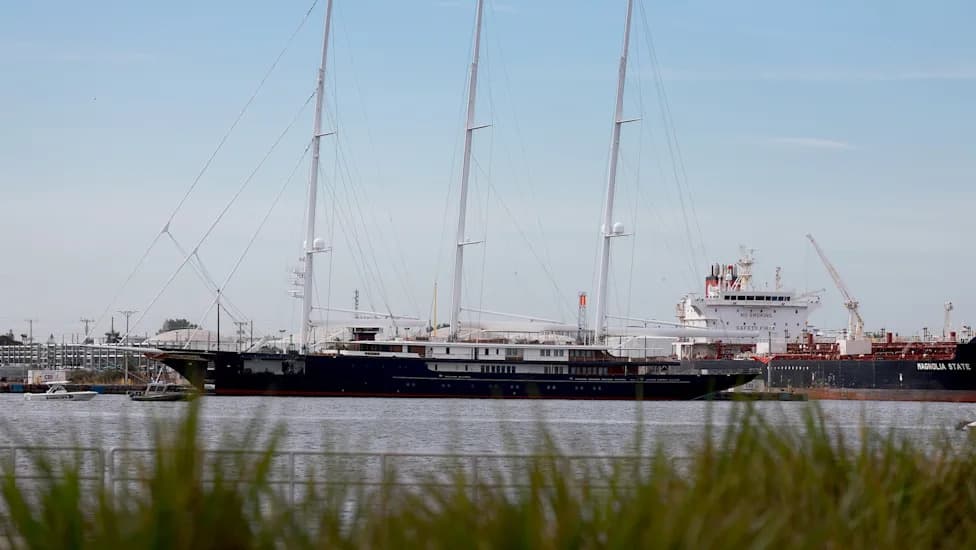
The M5, billed as the world’s largest single‑mast sailing yacht with a 291‑foot mast, is anchored off Bar Harbor, Maine. Launched in 2004 as Mirabella V, the 250+‑foot vessel is owned by Texas billionaire Rodney Lewis and can carry up to 16 guests and 17 crew. Despite its sail power, the M5 depends on diesel engines for propulsion and hoteling, with estimated annual upkeep near $5 million. The visit has renewed local and conservationist concerns about superyacht pollution and calls for stronger coastal protections or taxation.
World’s Largest Single‑Mast Sailing Yacht M5, With 291‑Foot Mast, Anchors Off Bar Harbor, Maine
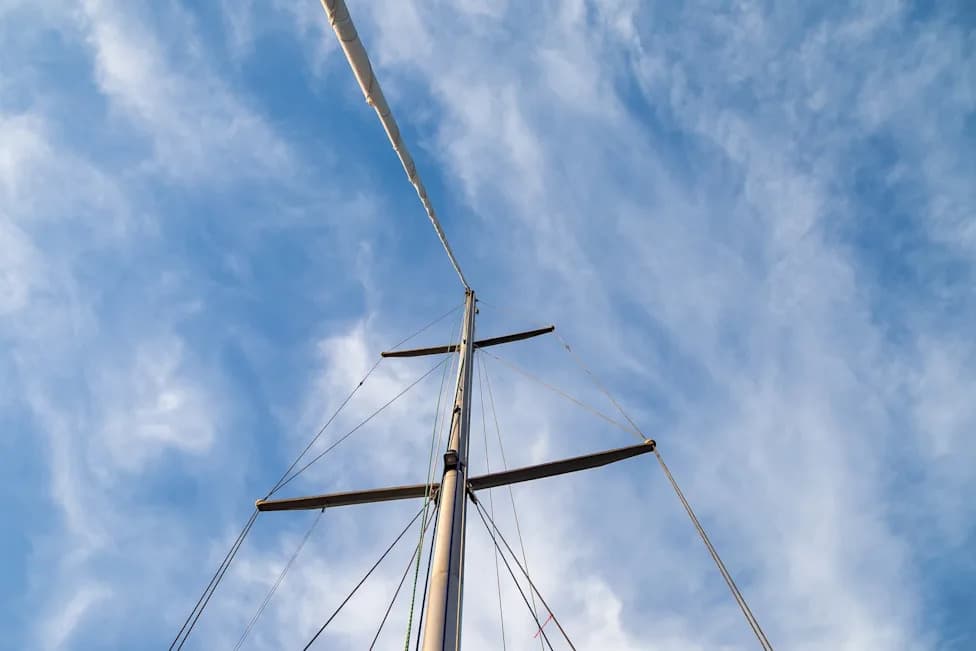
Photo Credit: iStock
The M5, promoted as the world’s largest single‑mast sailing yacht, is anchored in Frenchman Bay off Bar Harbor, Maine, drawing attention from locals, conservationists and maritime enthusiasts. Its 291‑foot mast is visible above Bar Island from State Route 3.
What Is the M5?
Launched in 2004 as Mirabella V, the 250‑plus‑foot yacht was designed by Ron Holland and built by U.K. shipbuilder Vosper Thornycroft. The vessel can accommodate up to 16 guests and 17 crew members. Its first owner was former Avis CEO Joseph Vittoria; the current owner is Texas billionaire Rodney Lewis, founder of Lewis Energy Group.
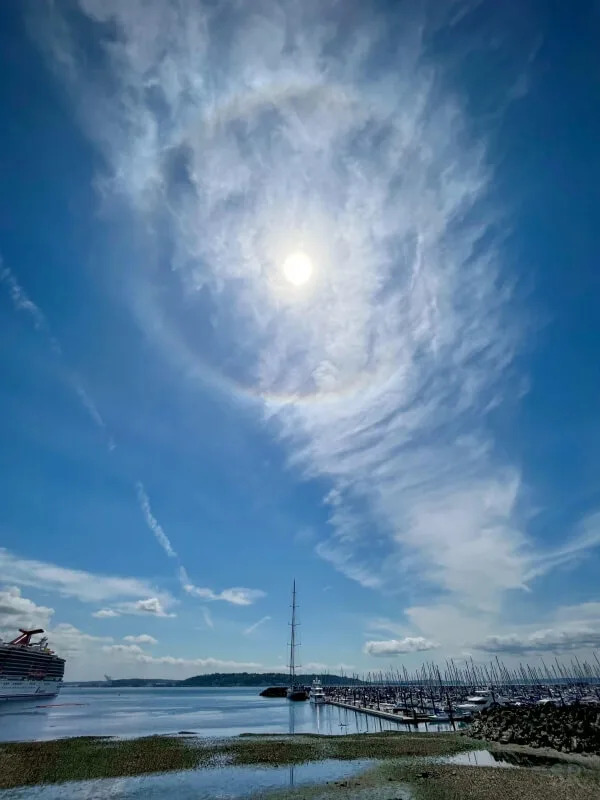
Photo Credit: Reddit
Recent Movements
According to local reporting, the $50 million superyacht arrived in the region on July 3 and anchored the following Monday in Frenchman Bay. Prior to arriving in New England on June 11, the M5 underwent routine maintenance in Fort Pierce, Florida.
Facts & Operations
The M5 pairs grand sailing scale with substantial operating demands. While its towering mast lets it capture significant wind power, the yacht relies on two Caterpillar diesel engines that can propel it to roughly 14 knots and power onboard systems such as air conditioning and galley equipment. Industry estimates put annual upkeep at about $5 million.

Photo Credit: Reddit
Environmental And Community Concerns
The M5’s visit has renewed debate about the environmental impact of superyachts. Critics note that despite sails, many large yachts depend heavily on diesel fuel for propulsion and hoteling (running onboard systems), contributing to emissions and potential pollution of coastal waters. Conservationists and residents have voiced concerns over marine conservation, local enforcement costs and whether luxury vessels should face higher taxes or stricter regulations to offset their environmental footprint.
Local reaction has been mixed: some residents are fascinated by the engineering and scale of the yacht, while others see it as a visible example of inequality and the environmental costs associated with fossil‑fuel wealth.
Context
Forbes lists Lewis Energy Group among Texas’s notable gas producers. The M5 previously visited waters near Mount Desert Island in 2024, suggesting the recent stop is part of recurring regional visits by the vessel.
Why It Matters: The M5 highlights tensions between maritime tourism, coastal conservation, and the environmental impacts of luxury private vessels owned by individuals whose fortunes originate in fossil fuels.
Help us improve.