Sri Lanka is responding to a deadly Negombo prison riot that killed 28 people by reopening facilities and seeking to recruit staff, but rights groups warn that expanded capacity must come with reforms and adherence to international standards. The Negombo prison was holding about 2,400 inmates despite a 650-person design capacity, and national incarceration rates are roughly four times intended capacity. Officials say a surge in drug-related arrests — now 65.5% of the prison population — has driven overcrowding. The government will repurpose a closed colonial jail and other sites and is reviewing house arrest for low-risk remand prisoners.
Sri Lanka to Reopen Prisons After Deadly Negombo Riot, Rights Groups Urge Reforms
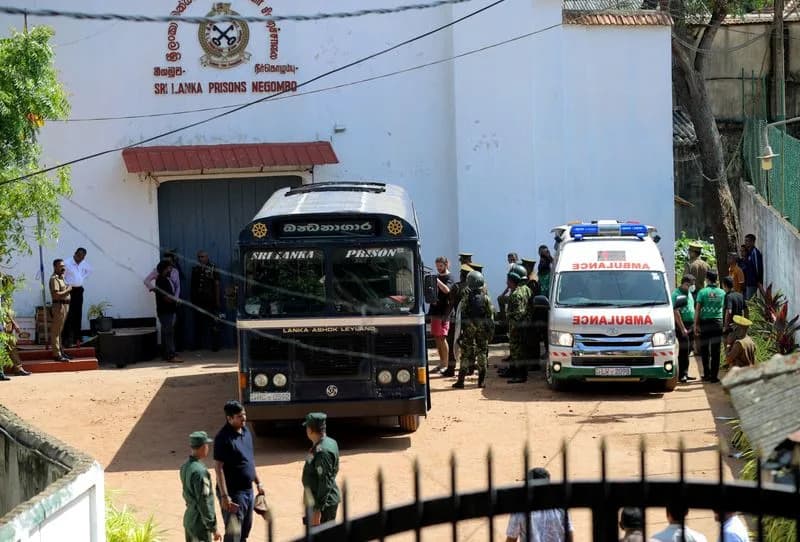
FILE PHOTO: Prisoners board a bus to be transferred to another prison following clashes between two groups of inmates at Negombo Prison, in the coastal town of Negombo, Sri Lanka, July 6, 2026. REUTERS/Lahiru Harshana/File Photo
COLOMBO, July 10 (Reuters) - Sri Lanka has moved to ease chronic prison overcrowding by reopening facilities and recruiting staff after a violent two-day riot at Negombo prison left 28 people dead. Human rights advocates say any expansion must be accompanied by reforms that follow international best practice and address the underlying causes of mass incarceration.
Deadly Clash at Negombo
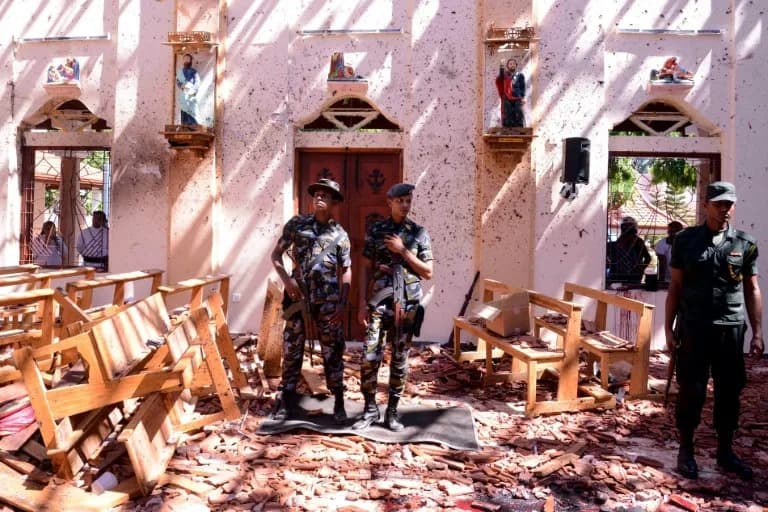
Authorities reported that eight prison officials and 20 inmates were killed during fighting between rival inmate groups at the coastal Negombo prison, about 35 km (20 miles) north of Colombo. Officials described the incident as the worst prison clash in Sri Lanka since 2012.
Overcrowding and Living Conditions
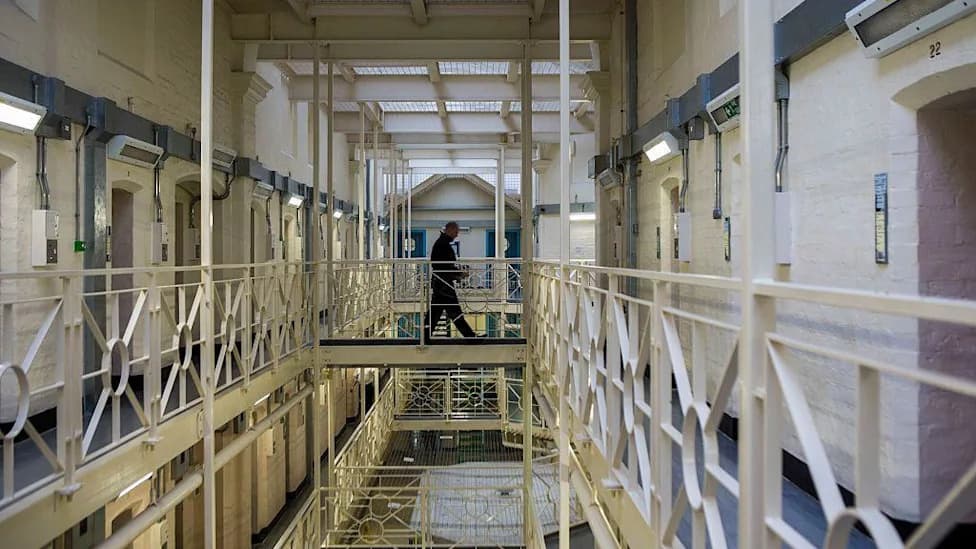
Advocates told Reuters that severe overcrowding was a key factor in the unrest. The Negombo facility, designed for roughly 650 inmates, was holding about 2,400 when violence erupted. Nationally, Sri Lankan prisons hold approximately 41,000 people — roughly four times the intended capacity — across 22 facilities.
"Prisoners refer to their sleep arrangements as 'salmon packing' where they have to sleep lying end-to-end in shifts at night," said Rasika Gunawardana, Project Manager at the Committee for Protecting Rights of Prisoners. "Some prisoners, including women, have to sleep inside toilets. There is no privacy to even change clothes."
Role of Drug Arrests
Authorities and prison officials say an intensified anti-drug crackdown has contributed heavily to the surge in inmate numbers. Drug offenders increased from 9,344 in 2021 to 31,314 in 2024, making up about 65.5% of the total prison population, according to the Department of Prisons.
"What you need to do is prevent people from coming into conflict with the law, prevent people from being incarcerated, and do something about over-incarceration," said Ambika Satkunanathan, former commissioner of the Human Rights Commission of Sri Lanka. She urged expanded harm-reduction services, opioid substitution therapy and community-based treatment for drug dependence.
Government Response
Justice and National Integration Minister Harshana Nanayakkara told parliament that recruitment of about 1,300 new prison staff has been slow because of bureaucracy and declining interest in prison jobs. "People from good schools are not applying to the prisons anymore. Job requests have decreased drastically," he said.
The ministry has reversed plans to convert a closed colonial prison (shuttered in 2014) into a hotel and will instead move roughly 2,000 inmates there. A section of a closed hospital in Galle will also be repurposed to house prisoners, and authorities plan to build a new jail within a navy camp on Colombo's outskirts. The government is also reviewing legislation to allow house arrest for low-risk remand prisoners.
Calls for International Standards
Rights groups and some officials stressed that simply increasing capacity will not prevent future violence unless accompanied by reforms: improved staffing, safer facilities, better health and rehabilitation services, alternatives to incarceration for non-violent drug offenders, and oversight consistent with international human rights standards.
(Reporting by Uditha Jayasinghe; Editing by Kate Mayberry)
Help us improve.