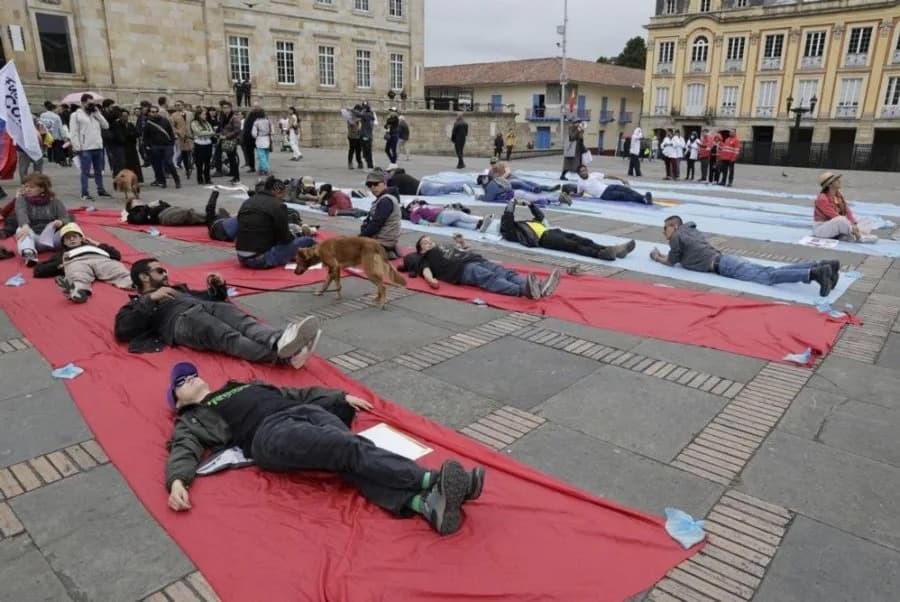
The Special Jurisdiction for Peace (SJP), created under Colombia's 2016 peace accord with the FARC, faces an uncertain future after president-elect Abelardo de la Espriella vowed to dismantle it. Legal experts warn abolition would clash with constitutional protections and international obligations, including the ICC's 2021 findings that recognized the SJP's progress. The tribunal has handled more than 14,000 suspects and issued major rulings on thousands of kidnappings, child recruitment and extrajudicial killings. Officials say they will press for results and fiscal oversight rather than immediate closure, but funding cuts or abrupt termination could leave victims without redress.
Colombia's Peace Tribunal in Peril as President-Elect Vows to Dismantle the SJP
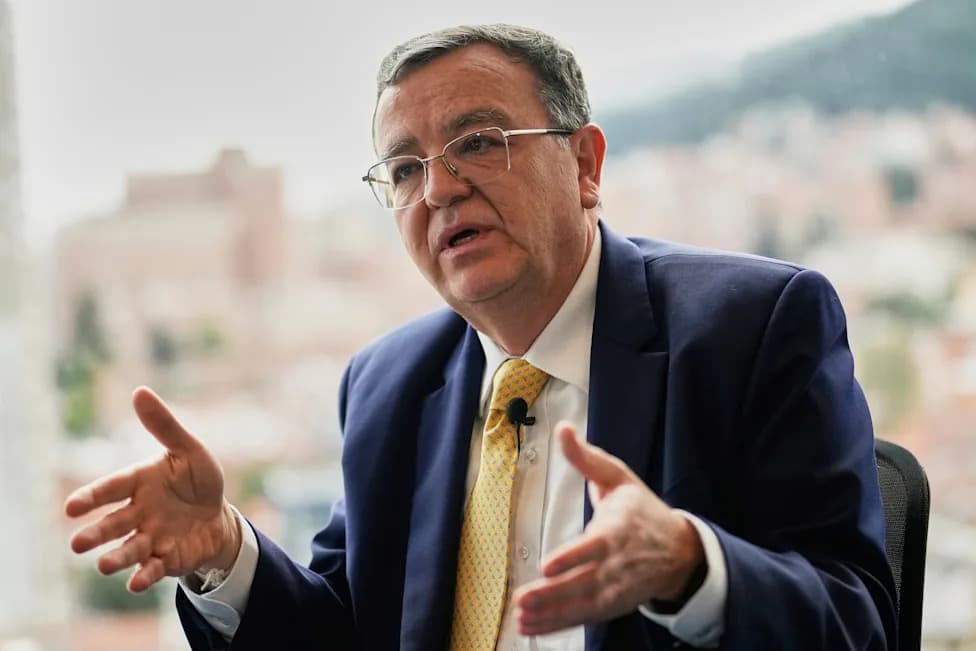
FILE - Special Jurisdiction for Peace (JEP) President Judge Alejandro Ramelli Arteaga gives an interview in Bogota, Colombia, July 1, 2025. (AP Photo/Fernando Vergara, File)(AP Photo/Fernando Vergara)
BOGOTÁ, Colombia — Ten years after Bogotá signed a landmark peace agreement with the Revolutionary Armed Forces of Colombia (FARC), the special tribunal created to investigate crimes tied to the conflict faces an uncertain future. President-elect Abelardo de la Espriella has publicly pledged to dismantle the Special Jurisdiction for Peace (SJP), a move that legal experts say would be legally and diplomatically complex.
What the SJP Does
The SJP, operational since 2018, was created as part of the 2016 peace accord to investigate war crimes and crimes against humanity committed during Colombia's decades-long conflict. Its mandate runs through 2028, with an additional five-year window for trials; after that period, Congress may decide whether to extend the tribunal for another five years.
Legal and International Constraints
The tribunal is protected by Colombia's Constitution and has the backing of the International Criminal Court (ICC). In 2021 the ICC closed a preliminary examination of Colombia, concluding that the country was meeting its international justice obligations in large part because of progress made by the SJP. Alejandro Ramelli, president of the tribunal, warned the Associated Press that an abrupt shutdown or funding cuts could leave victims in a legal limbo and risk breaching Colombia's international commitments.
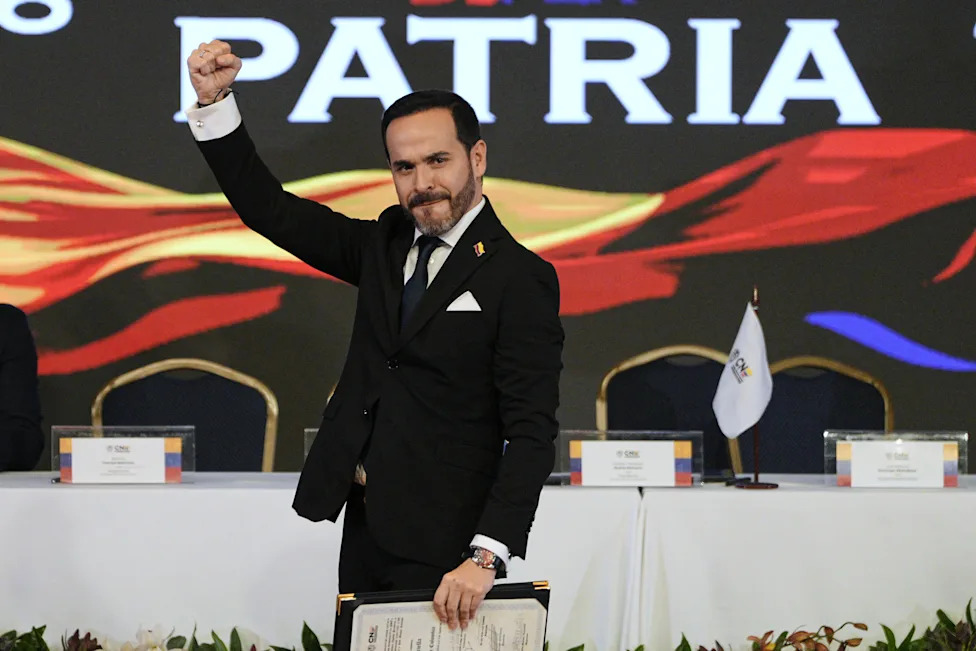
Colombian President-elect Abelardo de la Espriella raise his fist after receiving his credentials from the National Electoral Council in Bogota, Colombia, Thursday, June 25, 2026. (AP Photo/Ivan Valencia)(AP Photo/Ivan Valencia)
Political Debate and Reactions
De la Espriella, who has received an endorsement from former U.S. President Donald Trump, has described the SJP as a "failed" institution. His pick for justice minister, Iván Cancino, told Caracol Radio he does not plan to abolish the court immediately but will demand results and review its spending. Outgoing President Gustavo Petro, who has been critical of aspects of the SJP, nevertheless urged strengthening its budget this week and said that "establishing the judicial truth about the conflict is fundamental to national reconciliation."
Notable Work and Controversies
The SJP has processed cases involving more than 14,000 suspects tied to the armed conflict: roughly 70% are former FARC members, about 29% are former security forces, and the remainder are civilians. Major rulings include convictions or findings linked to more than 21,000 kidnappings attributed to FARC figures and over 100 extrajudicial killings involving former members of the military. In some high-profile cases, accused parties acknowledged responsibility and received alternative sanctions that required them to undertake reparative projects for victims rather than serve prison time. The tribunal also handed a 20-year prison sentence to a former soldier found guilty of denying participation in extrajudicial killings.
"What is the value of the truths uncovered through the judicial process? We now know the true scale of FARC kidnappings, the recruitment of more than 18,677 children, the sexual violence committed by the FARC and the extrajudicial killings carried out by security forces," said Alejandro Ramelli.
Why It Matters
Supporters view the SJP as a historic mechanism that helped end Latin America's longest-running guerrilla insurgency and hold perpetrators accountable while delivering reparations to victims. Critics argue the tribunal has been biased against former members of the military. Any effort to dismantle or sharply curtail the SJP would carry legal, political and diplomatic consequences, potentially affecting Colombia's obligations under domestic law and international treaties.
Help us improve.