The 433rd Airlift Wing and the DEA executed Operation Burnout in mid-May, airlifting about 50 metric tons of seized narcotics—23 pallets valued at roughly $5 billion—on a C-5M Super Galaxy from March Air Reserve Base (California) to Wright-Patterson AFB (Ohio) and then to an incinerator in Indiana. The release did not specify which drugs were included, but officials cited fentanyl, cocaine and methamphetamine as examples. The C-5M mission avoided a risky, multi-state ground convoy and showcased strong interagency coordination.
Air Force C-5M Super Galaxy Transports 50 Tons Of Seized Drugs Valued At $5 Billion For Destruction
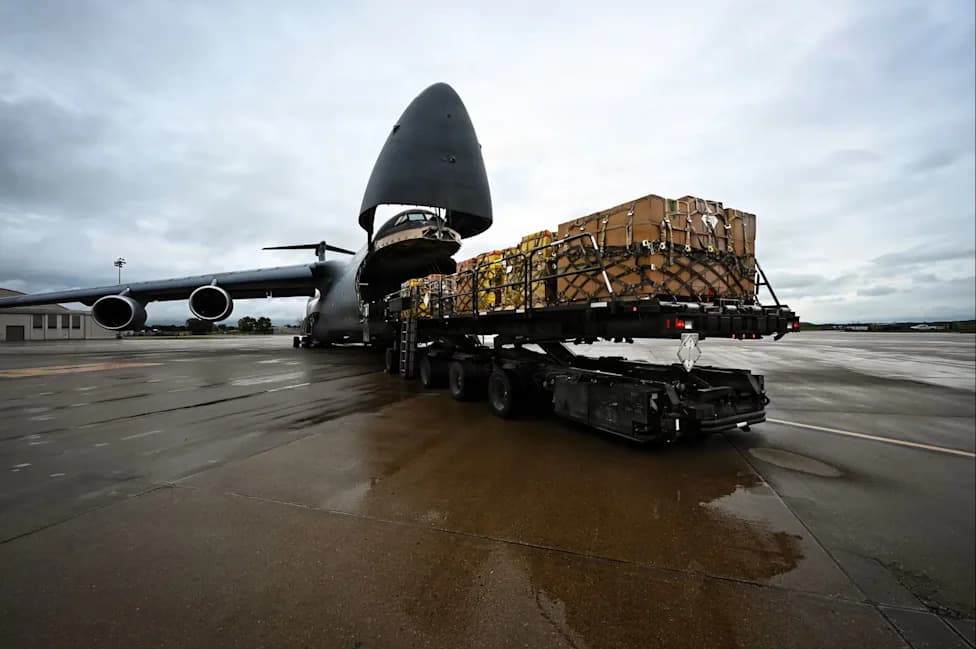
Airmen from the 433rd Airlift Wing and Wright-Patterson Air Force Base offload hazardous narcotics from a C-5M Super Galaxy during Operation Burnout on May 20, 2026, at Wright-Patterson AFB, Ohio. (Joshua Fontenot/U.S. Air Force)
The 433rd Airlift Wing, in coordination with the Drug Enforcement Administration (DEA), executed the largest recorded aerial movement of seized narcotics when it airlifted roughly 50 metric tons of illegal drugs for destruction during Operation Burnout.
Over three days in mid-May, Reserve airmen from the 433rd used a Lockheed Martin C-5M Super Galaxy to move 23 pallets—estimated at about $5 billion in street value—from March Air Reserve Base, California, to Wright-Patterson Air Force Base, Ohio. From there the shipment was transported to an incineration facility in Indiana for final destruction.
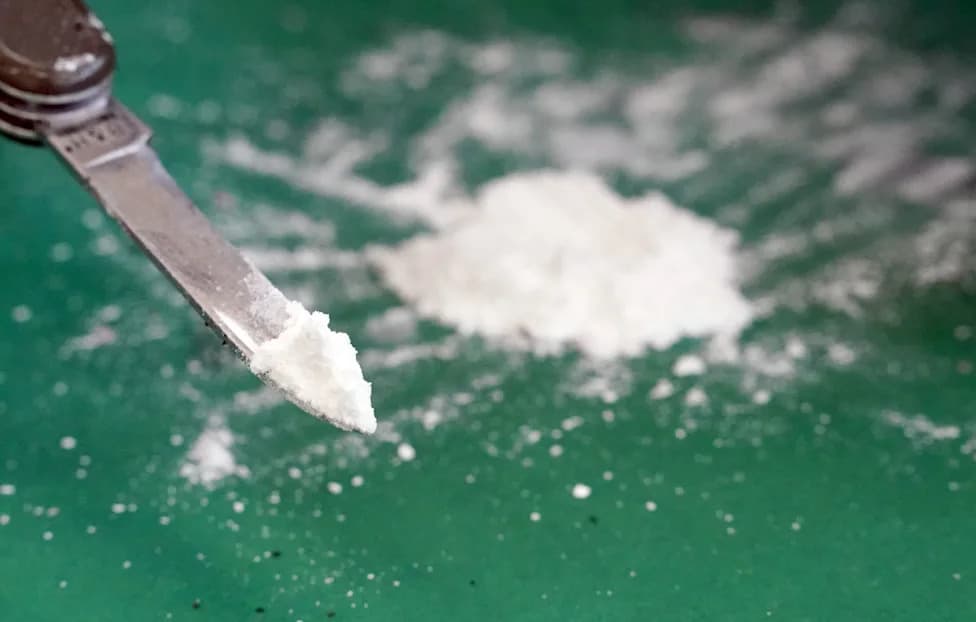
The official release did not specify which drug or combination of drugs were in the shipment, but it noted the operation supported the DEA's effort to keep deadly substances such as fentanyl, cocaine and methamphetamine off U.S. streets.
"We have to store this stuff once we seize it in an approved warehouse, but more stuff is always coming in," said Gerald Mapp, senior foreign integration advisor to the DEA for the Department of Defense. "You have to look at fentanyl as a major problem — one pill can kill you. Taking these drugs off the street protects the American public, and we couldn't do this without the Air Force's heavy airlift capabilities."
Joint Task Force North planned the operation months in advance, coordinating cross-country flight paths, ground security procedures and hazardous-cargo waivers. Using the C-5M eliminated the need for a lengthy, multi-state ground convoy that would have required far more manpower and posed additional security risks, including theft, ambush or logistical failure.
Loadmasters and aerial-port airmen from the 50th and 56th Aerial Port Squadrons at March Air Reserve Base assisted DEA personnel with packaging, sealing and loading the pallets. "We were able to put a call out to the whole enterprise to see who was willing to pick up this mission, and the 433rd answered the call," said Air Force Maj. Benjamin Sperring, air mobility chief for JTF North. "Having the C-5 gave us the capability of a larger aircraft, meaning we could fly more seized narcotics and make a bigger impact on the crime rates. The interagency collaboration to get these drugs absolutely destroyed has been fantastic."
About the C-5M Super Galaxy
The Lockheed Martin C-5M Super Galaxy is the U.S. Air Force's largest transport aircraft, designed to move heavy cargo and personnel worldwide. It has a maximum cargo capacity of approximately 281,001 pounds and, without aerial refueling, can fly roughly 2,150 nautical miles before offloading and continuing to a nearby base about 500 nautical miles from the original location.
This mission highlights how military airlift capability can support federal law enforcement by safely and efficiently removing and destroying large stockpiles of seized narcotics.
Help us improve.