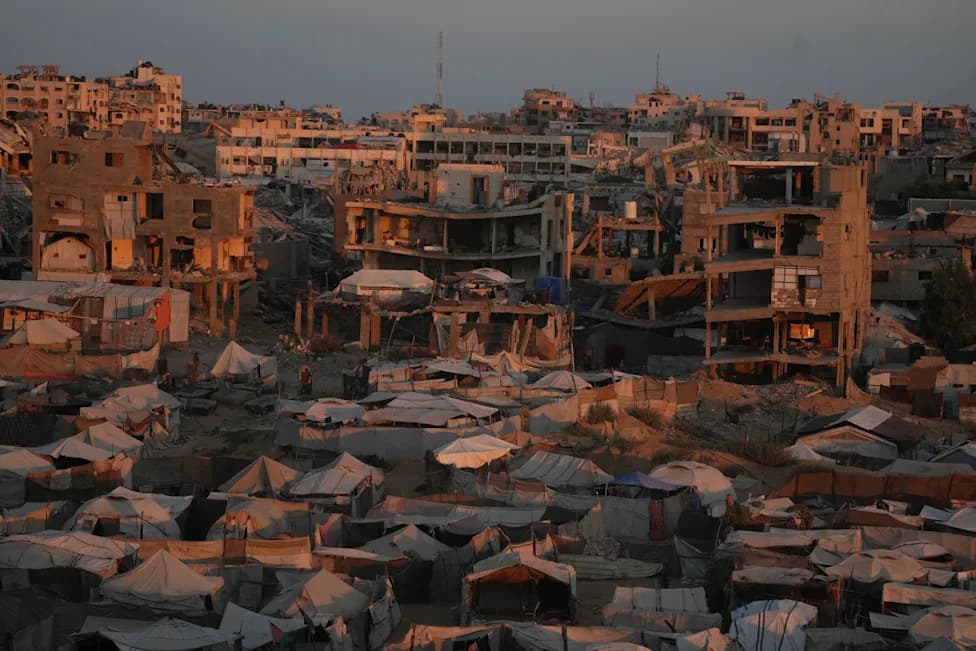
The Lancet Global Health paper estimating 75,200 violent deaths in Gaza between Oct 7, 2023 and Jan 5, 2025 has been challenged for possible sampling bias. Critics say two survey teams (Gaza9 and Gaza3) returned anomalously high counts and removing them would reduce the estimate to about 59,200. Authors maintain they flagged anomalies, ran sensitivity analyses, and still believe the core findings hold. The dispute highlights the difficulty of estimating fatalities in active conflict zones and the need for methodological transparency.
Lancet Gaza Death-Toll Study Faces Scrutiny Over Possible Sampling Bias
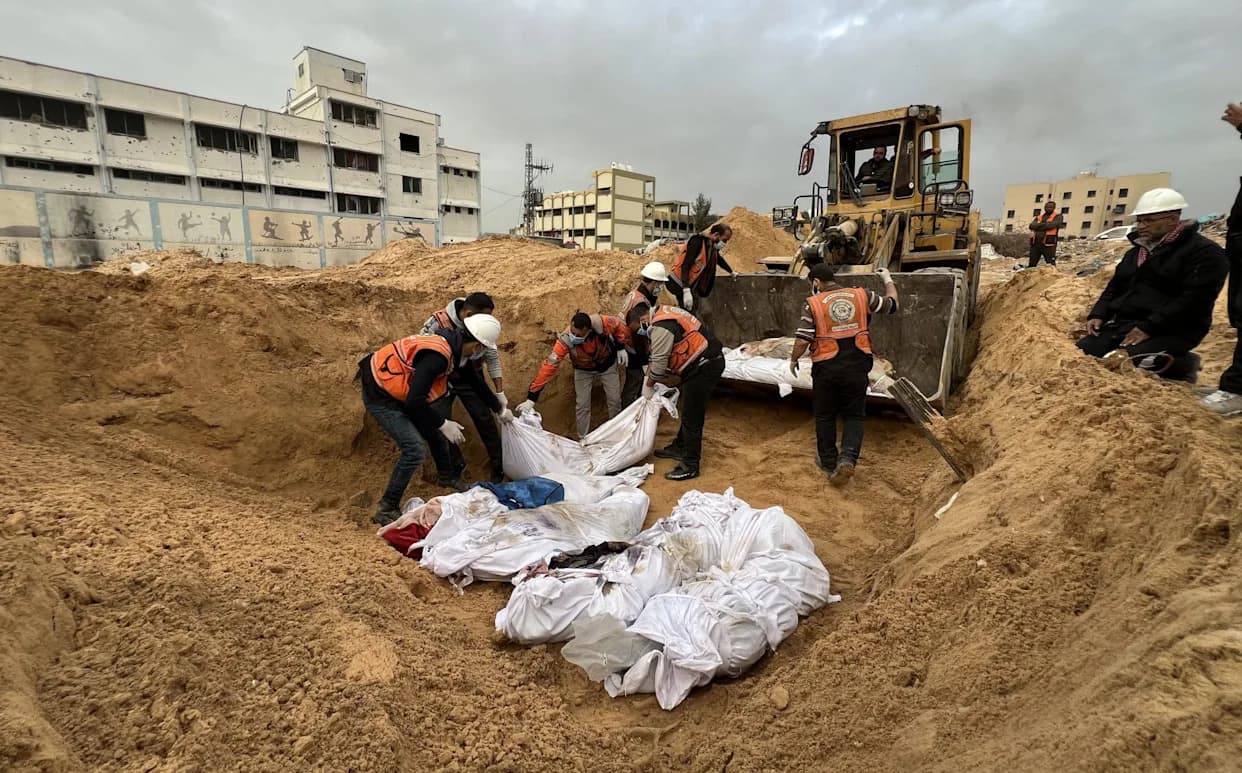
Palestinians killed in Israeli attacks are buried in a mass grave as cemeteries run out of space in Gaza
Figures for fatalities in Gaza published in The Lancet Global Health are under renewed scrutiny after demographers challenged the study's sampling methods, arguing they may have inflated the estimated death toll by tens of thousands.
The research team, which included scholars from Royal Holloway, University of London, published a paper estimating 75,200 violent deaths in Gaza between Oct 7, 2023 and Jan 5, 2025. That figure was derived from household surveys covering about 2,000 homes that recorded 393 violent deaths in the sampled households and then extrapolated to the wider population.
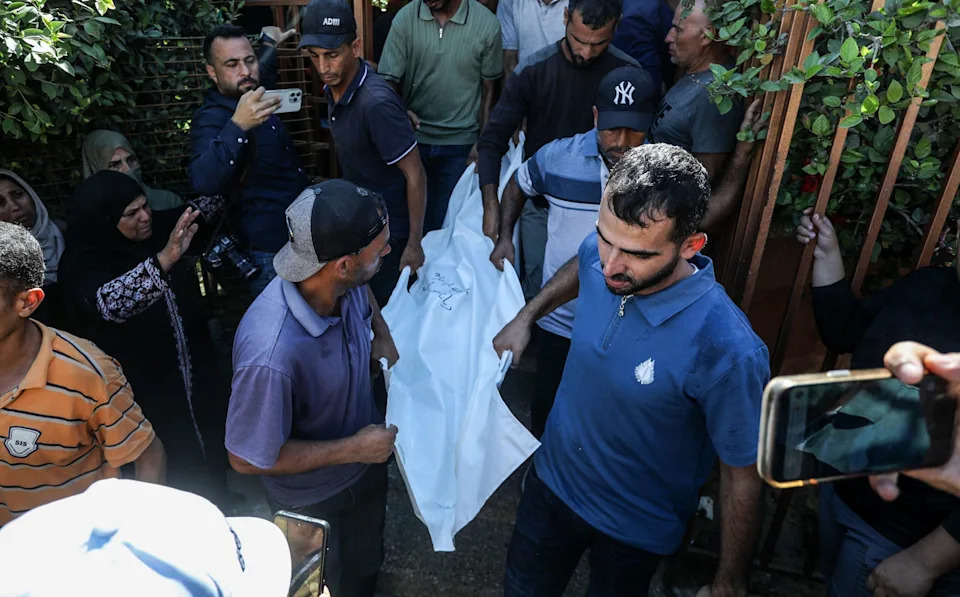
Relatives and local residents gather to perform funeral prayers for a Palestinian and her 1-year-old daughter, - Anadolu
Key Methodological Concerns
Critics contend that some field teams returned unrealistically high counts from areas with unusual household compositions. They say the study may have used overlapping survey zones and non-representative sampling — for example, surveying neighbours on the same street rather than taking a geographically balanced cross-section — and warn some deaths could have been recorded more than once.
Demographers raising concerns highlighted that two field teams, identified as Gaza9 and Gaza3, produced 'anomalous demographic characteristics'. One team alone reported more than a quarter of the violent deaths while covering roughly 8% of sampled households. If the results from these teams are excluded, the critics say the estimated total would drop to about 59,200, closer to the Gaza Ministry of Health's estimate of 49,090 for the same period.
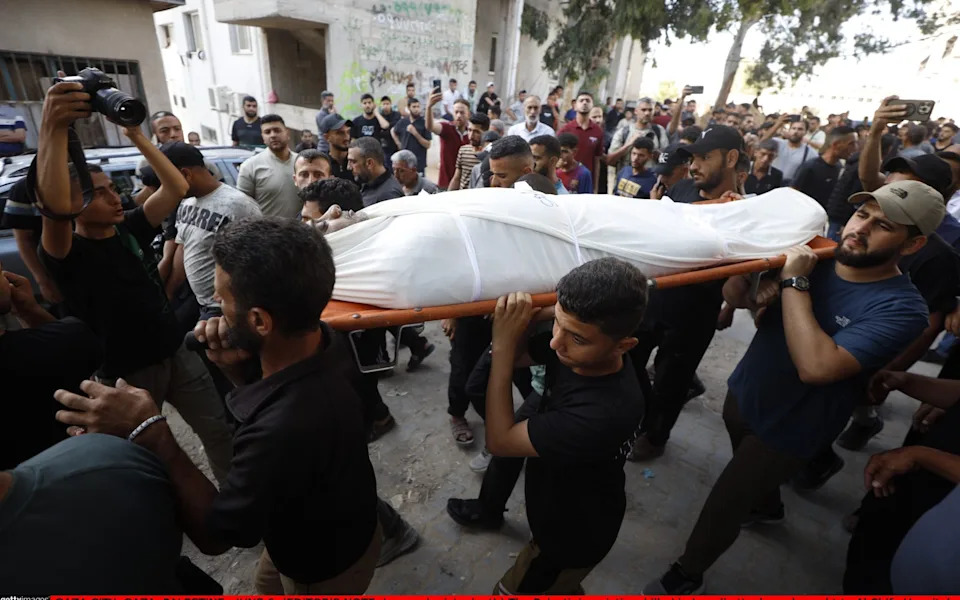
A funeral after an Israeli strike on tents sheltering displaced families - Anadolu
Authors' Response and Journal Oversight
The paper's authors acknowledged the anomalies from Gaza9 and Gaza3 and said they flagged them in the original publication. They report having run sensitivity analyses (including an analysis excluding Gaza9) and say that even if both teams were removed, the central estimate would fall to approximately 59,200 while main conclusions remain unchanged. The authors emphasise that survey estimates come with confidence intervals and that interpretation should account for sampling uncertainty.
A Lancet Global Health spokesman said the paper underwent rigorous peer review and noted the journal published subsequent correspondence between critics and the authors as part of normal editorial practice.
Context and Implications
Estimating fatalities in active conflict zones is inherently difficult. Gaza presents additional challenges because of damaged infrastructure, mass displacement, restricted access for independent observers, communication blackouts and thousands of unrecovered bodies believed to remain under rubble. These practical barriers complicate any effort to produce definitive casualty counts and amplify the importance of transparent methodology and thorough sensitivity testing.
Prof Sergio DellaPergola, a demography expert at Hebrew University, warned that semi-facts or inaccurate figures can mislead public debate and stressed the need for rigorous professional standards amid emotional and political tensions.
As debate continues, readers should note that differences between independent survey-derived estimates and official tallies reflect both methodological choices and the extreme practical difficulties of counting deaths in war. Transparent data, open scrutiny and further field work will be needed to narrow uncertainties about the true toll.
Help us improve.