The Ministry of Justice has launched a 10-week consultation to give some cohabiting couples in England and Wales new inheritance and separation rights. Under the proposals, surviving partners could inherit if they lived together for five years (two years if they share a child), and separating partners could receive limited financial relief after three years together. Supporters say the changes would protect victims of economic abuse; critics warn they could complicate choices by couples who deliberately keep finances separate. Cohabiting partners would still face inheritance tax disadvantages compared with married spouses.
MoJ Consultation: What New Rights For Unmarried Couples Could Mean For Your Money

[Getty Images]
When Amelia's fiancé died unexpectedly in his 20s, just months before their wedding, she did not anticipate the legal and financial turmoil that followed.

[Getty Images]
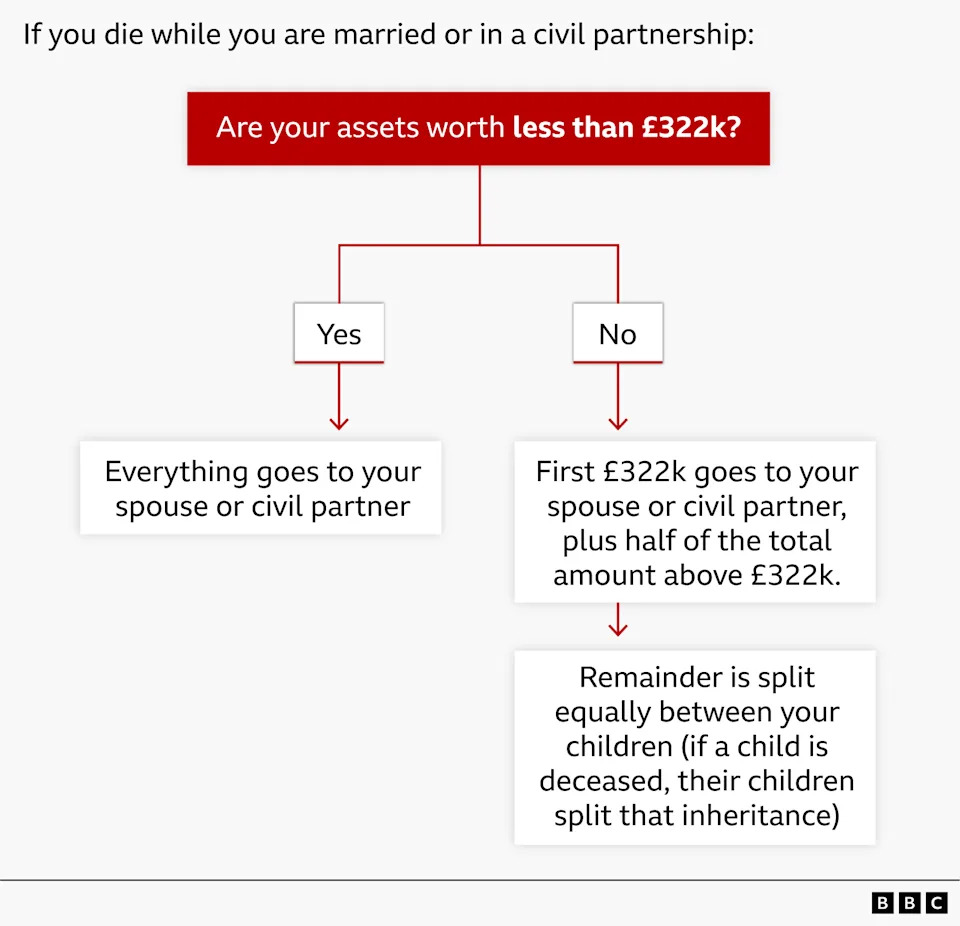
“I lost him,” she says, “and then I lost everything we'd ever built together.” The couple had been together for more than seven years and ran a business together. Because they were not married and Simon left no will, his parents inherited most of his assets apart from the house the couple owned as joint tenants. Amelia says she could not stop them taking possessions and savings that mattered to her, and spent nearly £10,000 attempting to recover money and obtain legal advice.

[Getty Images]
What the Ministry of Justice Is Proposing
Last month the Ministry of Justice (MoJ) opened a 10-week consultation on proposals that would grant some cohabiting couples new inheritance and separation rights in England and Wales. If implemented, the changes would be a significant shift from current law and are aimed at reflecting modern family life and protecting people — particularly those vulnerable to economic abuse.
[BBC]
Key Elements Of The Proposals
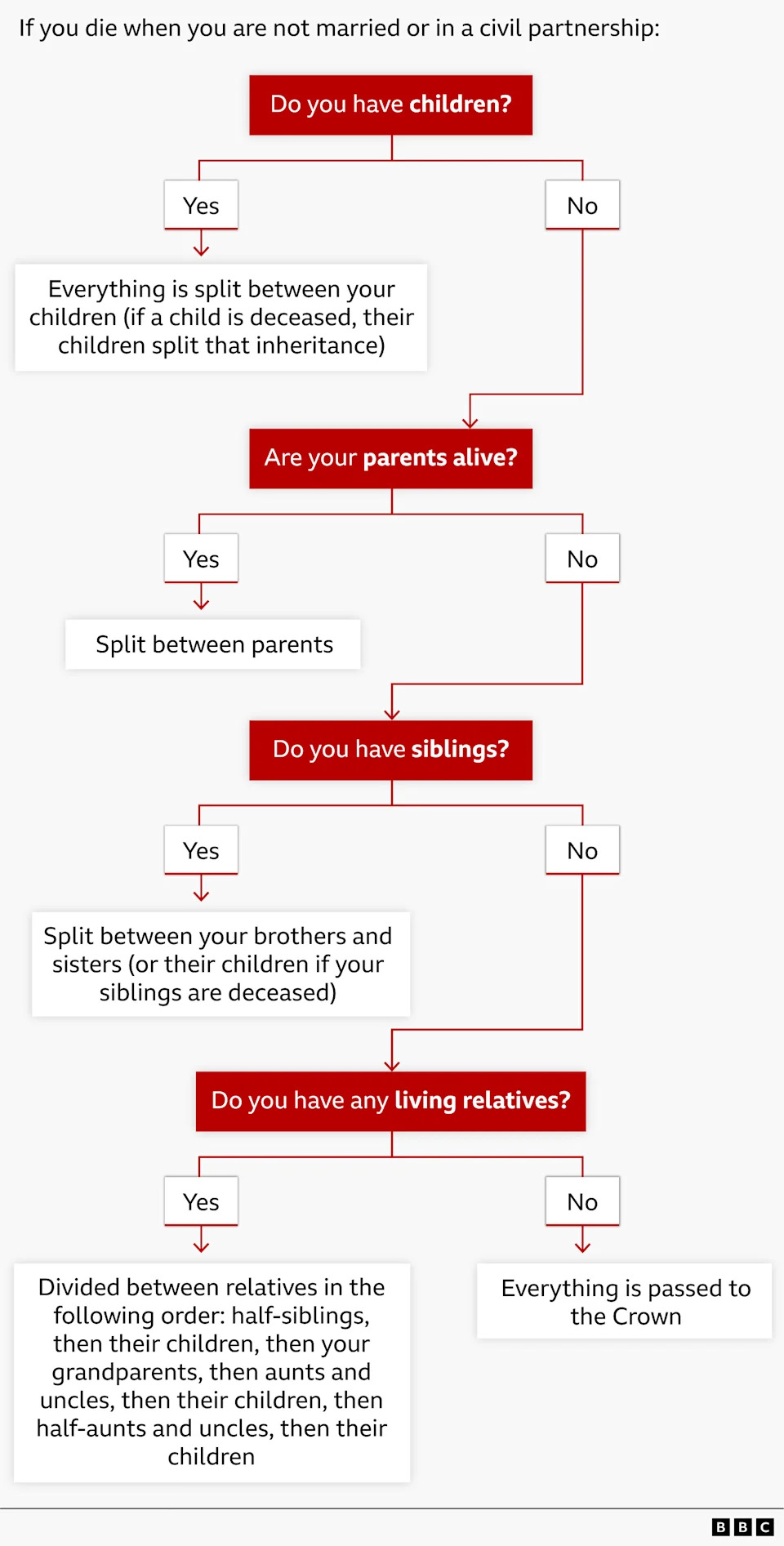
- Inheritance Rights: Surviving partners could become primary beneficiaries when someone dies intestate if the couple lived together for five years, or two years if they share a child.
- Separation Rights: On break-up, qualifying partners (typically after three years together or where there is a child) could be eligible for a lump-sum payment, transfer of property, or a pension share — but only where needed to meet basic needs.
- “Marriage-Equivalent” Test: For intestacy claims, courts would need to determine whether the relationship was “marriage-equivalent.” Factors under consideration include shared residence, pooled finances and whether others perceived the pair as a couple.
- Tax Position Remains Different: Cohabiting partners would still be treated less favourably than married couples for inheritance tax: surviving unmarried partners would remain liable to pay 40% on estate value above the £325,000 nil-rate band.
- Opt-Out Option: Couples could mutually opt out of the default protections, likely subject to safeguards such as independent legal advice and full financial disclosure.
Why Supporters Back The Changes
Charities and campaigners say the reform could be transformational for people experiencing economic abuse or coercive control, who may otherwise be unable to afford to leave a relationship. Under the current system, legal routes are often slow, costly and uncertain — many people wrongly assume a so-called “common-law marriage” gives automatic rights.
[BBC]
Concerns And Criticisms
Critics argue the changes could reverse the default for people who intentionally keep finances separate and chose not to marry. There are also practical questions about how courts would determine when a relationship qualifies and how easy it would be to opt out in practice.

A partner could be awarded a lump sum, transfer of property or pension share [Getty Images]
International Comparisons
Other countries offer similar protections: in Australia, many couples who have cohabited for two years are treated as in a “de facto” relationship with rights on separation and death; Sweden provides limited rights on separation, including division of certain joint property. Both systems face challenges proving the existence and timing of relationships where finances or living arrangements are separate.
What This Means For You Now
- Consider making a will and reviewing life insurance and ownership arrangements — these remain the most reliable ways to express your wishes.
- Keep clear records of financial contributions, shared bills and joint purchases.
- If you want to preserve separate finances, discuss a cohabitation agreement and seek independent legal advice.
“I really hope that nobody ever has to go through what I went through,” Amelia says. She has since retrained as a will writer to encourage friends and family to make legal provision.
The MoJ consultation is the first step in a potentially lengthy legislative process. If you are affected or interested, the consultation is open for responses over the 10-week period announced by the ministry.
Help us improve.