EDF and Holtec have submitted plans to build four Holtec SMR-300 reactors at the former Cottam coal site in Nottinghamshire, delivering about 1.3GW — enough for roughly 1.2 million homes. Developers say the plant could be operational in the early 2030s and could supply power directly to a large Tritax data centre. Holtec is exploring a UK manufacturing centre to support construction, and the design has already undergone regulatory assessment with the Office for Nuclear Regulation. The proposal is part of a wider UK push for SMRs alongside projects led by Rolls‑Royce, X‑Energy and Last Energy.
EDF and Holtec Propose Four SMRs at Former Cottam Coal Site, Delivering 1.3GW for Local Industry
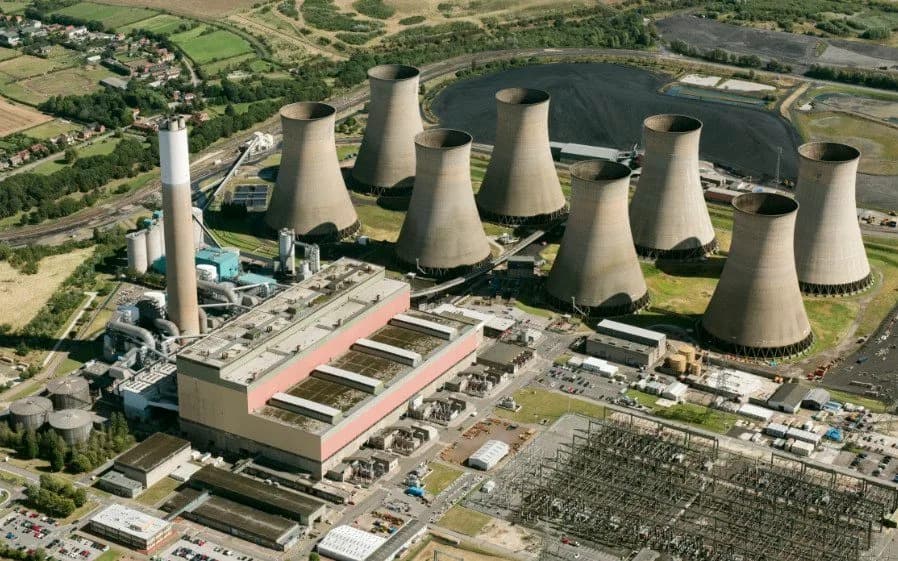
EDF and Holtec plan to build SMRs at the Cottam coal station in Nottinghamshire, which closed in 2019
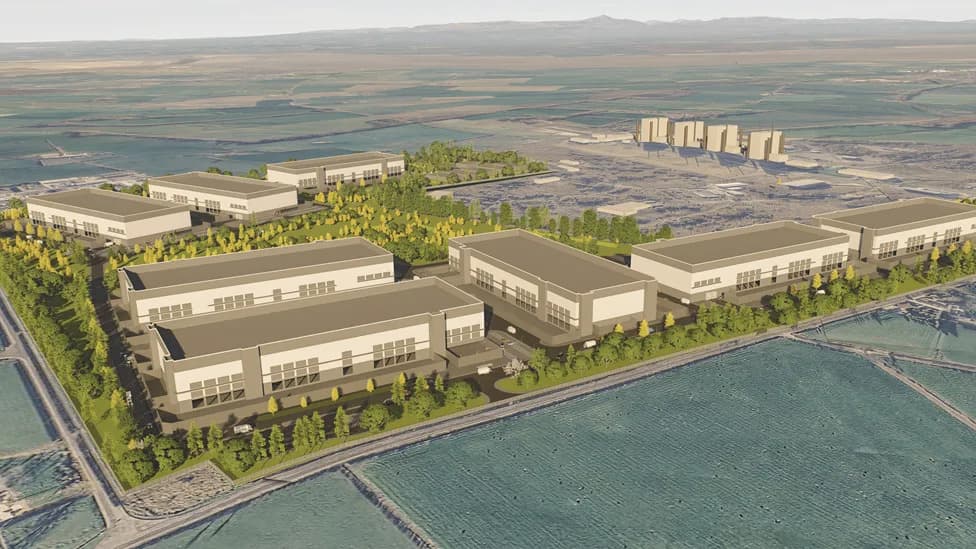
Plans have been submitted to the UK Government to build four small modular reactors (SMRs) on the site of the former Cottam coal-fired power station in Nottinghamshire. The proposal, lodged by EDF and US-based Holtec, would deploy Holtec’s SMR-300 design and deliver around 1.3 gigawatts of capacity.
Project Overview
The developers say the combined output — roughly the electricity needed to power about 1.2 million homes — could come online in the early 2030s. Backers also note the plant could directly supply a large Tritax data centre planned nearby, linking low-carbon generation to local industrial demand.
Partners, Planning And Manufacturing
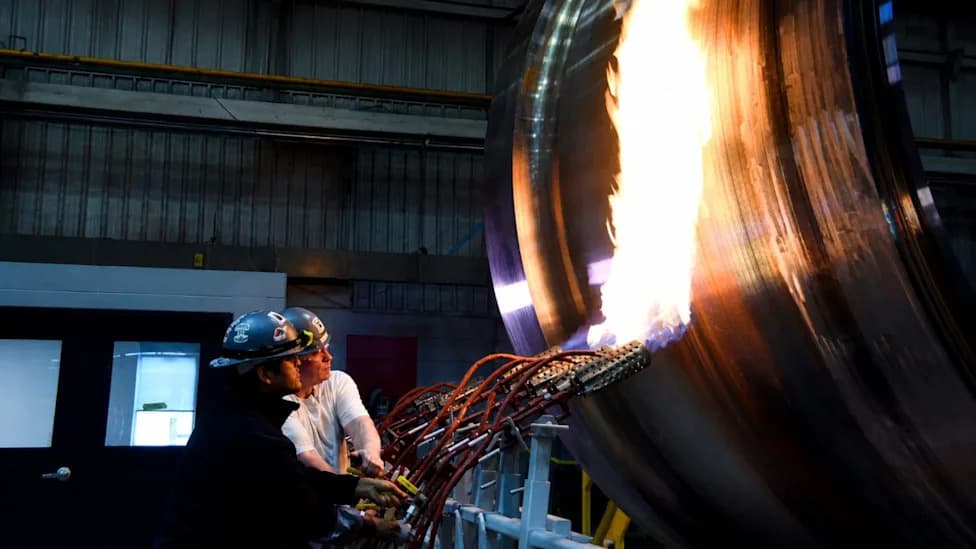
EDF, the France‑owned energy company, and Holtec have formed a joint venture and submitted the application under the UK Government’s new Advanced Nuclear Framework, designed to speed approvals for advanced nuclear projects. Holtec has indicated it is evaluating a UK manufacturing centre and a larger operations hub to support construction and long-term supply chains.
"This submission represents an important milestone for the project and for advanced nuclear energy in Great Britain," said Rick Springman, president of Holtec. He added the company is assessing a domestic manufacturing plant to build nuclear equipment locally.
Regulation, Timeline And Context
Holtec’s SMR-300 design has already undergone regulatory assessment with the Office for Nuclear Regulation, a key step toward formal approval. The developers estimate the plant could be operating in the early part of the next decade if approvals, financing and construction progress on schedule.
SMRs are promoted as faster and less costly to build than conventional large nuclear plants and as a dependable, low-carbon complement to intermittent wind and solar generation. Energy Secretary Ed Miliband has said SMRs could help usher in a “golden age” of British civil nuclear power if projects scale up successfully.
Wider SMR Programme In The UK
The Cottam proposal forms part of a broader UK push for small-scale nuclear projects. The most advanced is a Rolls‑Royce-led SMR project on Anglesey, supported by about £600 million in government funding. Other developers, including Amazon-backed X‑Energy and US firm Last Energy, have announced plans to pursue SMR deployments in the UK market.
Holtec is also planning to deploy its SMR technology at a site in Michigan, underlining the company’s international ambitions for the design.
International Cooperation And Current Status
The scheme at Cottam was first announced during Donald Trump’s state visit to the UK as part of a US–UK “tech prosperity” agreement that envisaged closer cooperation between nuclear regulators. However, work on that agreement was suspended in December amid disagreements between the two governments and little progress has been reported since.
Site Background
Cottam was one of the last coal-fired power stations in operation in Britain before it closed in 2019. The site has been identified by developers and local planners as suitable for new clean-energy infrastructure.
Next steps: The application will be considered through the Advanced Nuclear Framework and relevant UK regulatory processes. If approved, the project would move into detailed design, financing and construction phases over the coming years.
Help us improve.