Niger has formally filed an "instrument of withdrawal" with the International Criminal Court on 18 June, nine months after announcing its intent to leave. The ICC says withdrawal takes effect one year after notification and that Niger remains bound by its obligations until then. The move follows a joint September 2025 statement by Niger, Mali and Burkina Faso calling the court an "instrument of neo‑colonialist repression" and comes after the three states quit Ecowas and formed the Confederation of Sahel States. If confirmed, Niger would be the third country to leave the ICC, after the Philippines and Burundi.
Niger Formalises Withdrawal From ICC, Calling Court 'Neo‑Colonialist'
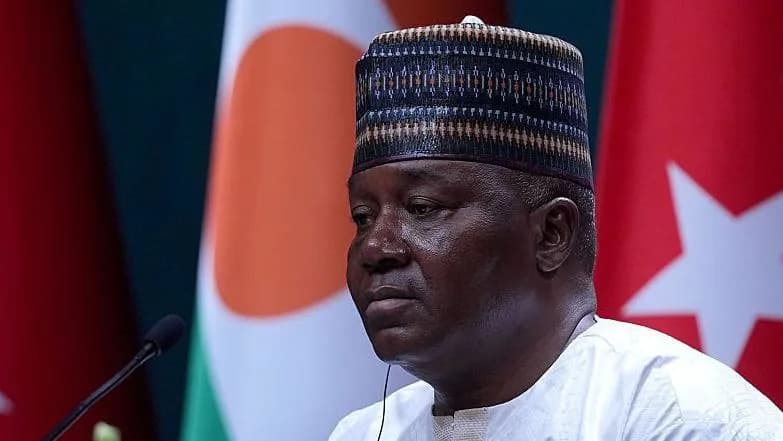
Abdourahamane Tchiani led the coup in Niger in 2023 [Anadolu via Getty Images]
Niger has formally notified the International Criminal Court (ICC) of its intention to withdraw, submitting an official "instrument of withdrawal" on 18 June, nine months after first signalling plans to leave the court.
What the ICC Says
The ICC confirmed receipt of Niger's notification and reiterated that withdrawal becomes effective one year after the date of notification. The court emphasised that Niger must continue to honour its legal obligations to the ICC until the withdrawal takes effect, and that existing investigations and proceedings relating to acts committed while Niger was a state party may remain subject to ICC jurisdiction.
Regional Context
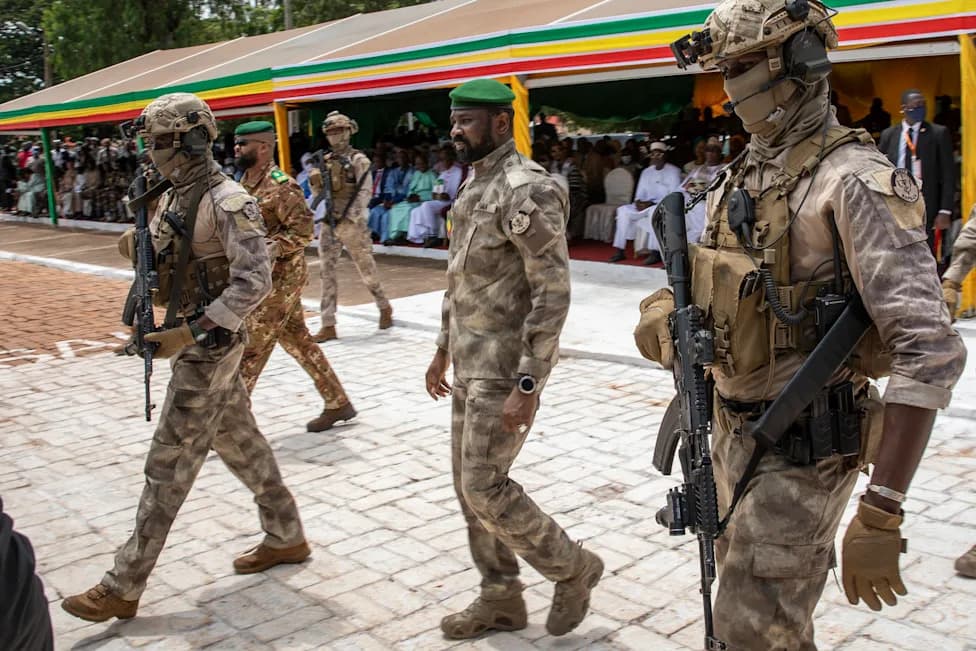
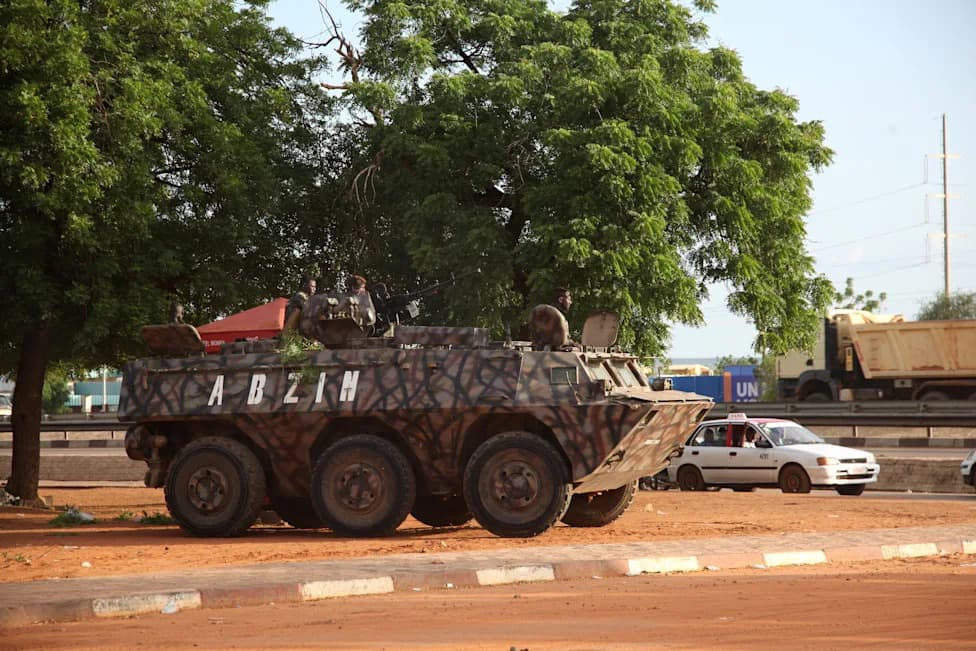
In September 2025, Niger joined Mali and Burkina Faso in a joint declaration saying they would not recognise the ICC's authority, denouncing it as an "instrument of neo-colonialist repression." All three countries are governed by military juntas that came to power following coups earlier this decade.

[BBC]
Last year the three Sahel states also withdrew from the Economic Community of West African States (Ecowas) and created the Confederation of Sahel States. The juntas have faced accusations of abuses by security forces as violence has escalated across the region, driven in part by jihadist groups linked to al-Qaeda and Islamic State.
International Implications
Based in The Hague and established in 2002, the ICC investigates and prosecutes genocide, crimes against humanity, war crimes and aggression. The court has 125 state parties; several major powers, including Russia, the United States, Israel and China, are not members. The ICC also has an outstanding arrest warrant for Russian President Vladimir Putin over alleged war crimes in Ukraine.
If confirmed, Niger would be only the third country to leave the ICC, following the Philippines and Burundi. The move further underscores a broader geopolitical shift in parts of the Sahel: the three former French colonies have grown increasingly isolated from Western partners and strengthened security and political ties with Russia.
Key point: Withdrawal does not erase past obligations — the ICC can still pursue alleged crimes committed while Niger was a party to the Rome Statute.
Analysts say Niger's formal withdrawal will have legal, diplomatic and symbolic consequences: it reduces the court's direct reach over future acts on Nigerien territory while raising questions about accountability, regional justice mechanisms and the politics of international law.
Help us improve.