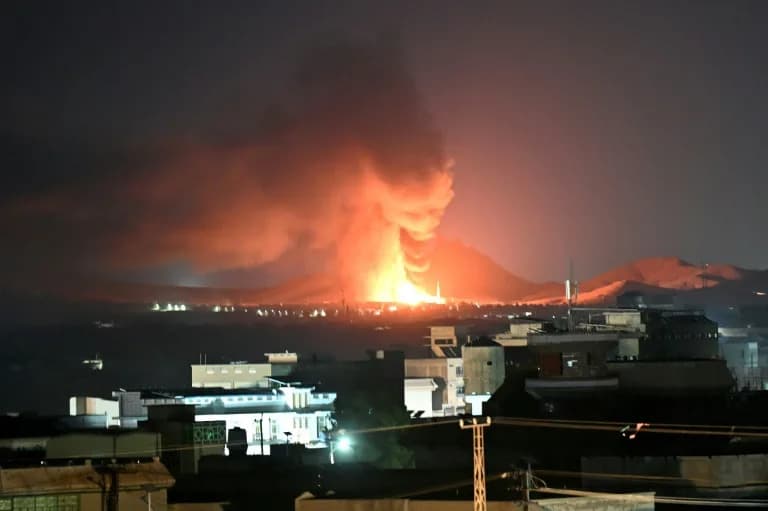
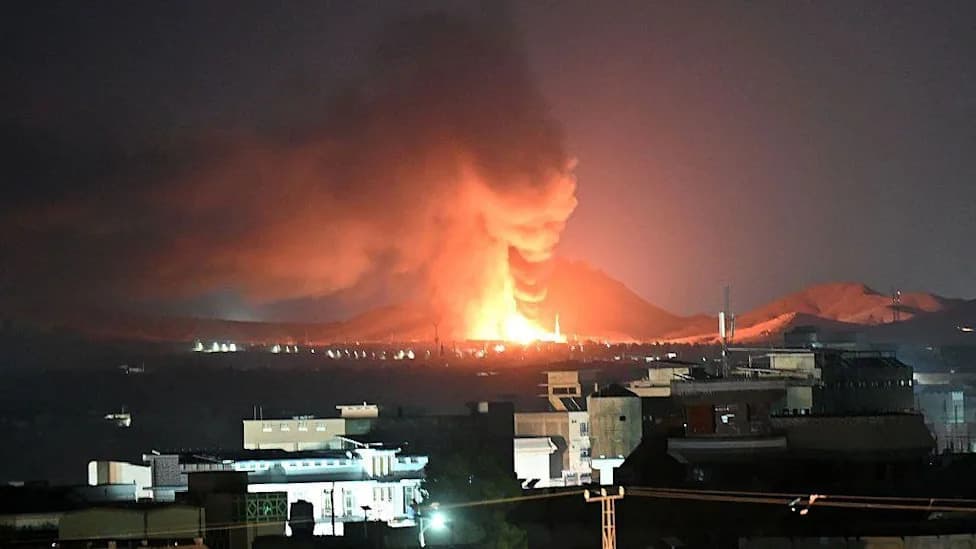
Afghan authorities said they launched Thursday‑night air strikes on sites inside Pakistan they described as ISIS‑K bases and "hostile intelligence circles," naming locations in Balochistan and Khyber Pakhtunkhwa. Kabul claimed the strikes hit "important targets," including a site reportedly used by senior ISIS‑K leaders, while Pakistan rejected the account. The action intensifies tensions after a fragile ceasefire collapsed, China‑led mediation has stalled, and UN figures show heavy civilian tolls from recent cross‑border fighting.
Afghanistan Says It Struck ISIS‑K Targets Inside Pakistan, Raising Cross‑Border Tensions
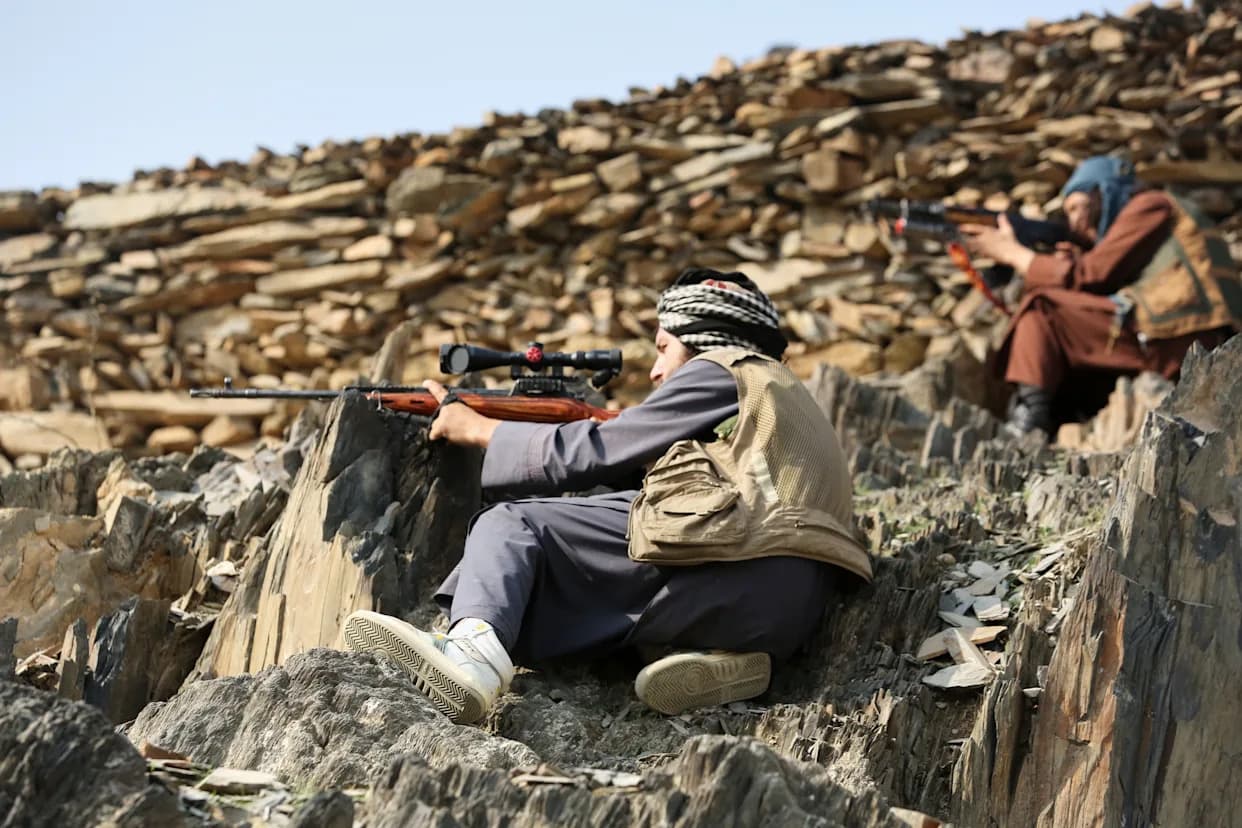
Afghan Taliban soldiers peer through their weapons' telescopic sights, on the Afghan side of the Torkham border crossing with Pakistan, in Torkham, Afghanistan [File: Wahidullah Kakar/AP]
Afghan authorities announced that their forces carried out air strikes on sites inside Pakistan on Thursday night, describing the locations as hideouts for ISIL‑Khorasan (ISIS‑K) and "hostile intelligence circles." The Afghan defence ministry reported the action on Friday, saying the operation hit "important targets" based on preliminary information.
Details of the Operation
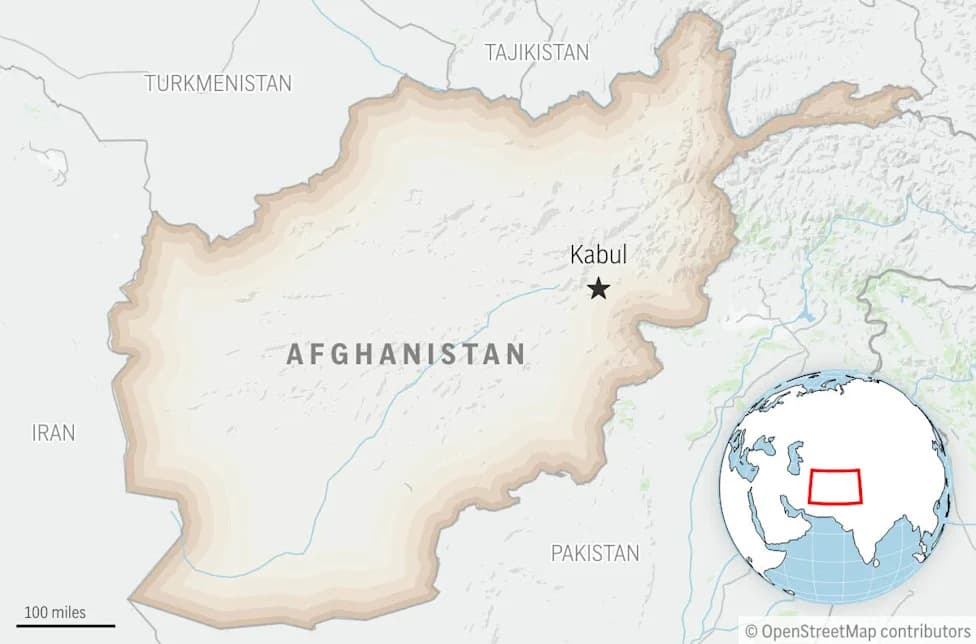
The ministry named sites in Pakistan's Balochistan and Khyber Pakhtunkhwa provinces: the Gulistan area of Qila Abdullah and the Shakar Ab area of Chaghi in Balochistan, and the Qambar Khel area of Orakzai district in Khyber Pakhtunkhwa. Kabul said one targeted facility was reportedly frequented by senior ISIS‑K leaders.
Claims and Denials
Afghanistan said the bases were "allegedly used in cooperation with certain hostile intelligence circles to plan and organise attacks against Afghanistan," a likely reference to Pakistani intelligence services. Pakistan's Information Ministry rejected Kabul's account, according to an unverified Reuters report.
Capabilities and Uncertainties
Kabul did not specify the type of aircraft used. Afghanistan does not operate modern fighter jets, but the London‑based International Institute for Strategic Studies (IISS) records at least six fixed‑wing aircraft and 23 helicopters in the country's inventory. The Taliban are also known to possess and have used armed drones in clashes with Pakistan.
Context And Human Cost
Fighting between Afghanistan and Pakistan has flared repeatedly over recent months, killing hundreds of people and undermining a fragile ceasefire reached in March. China‑led mediation efforts have not yet achieved a durable settlement.
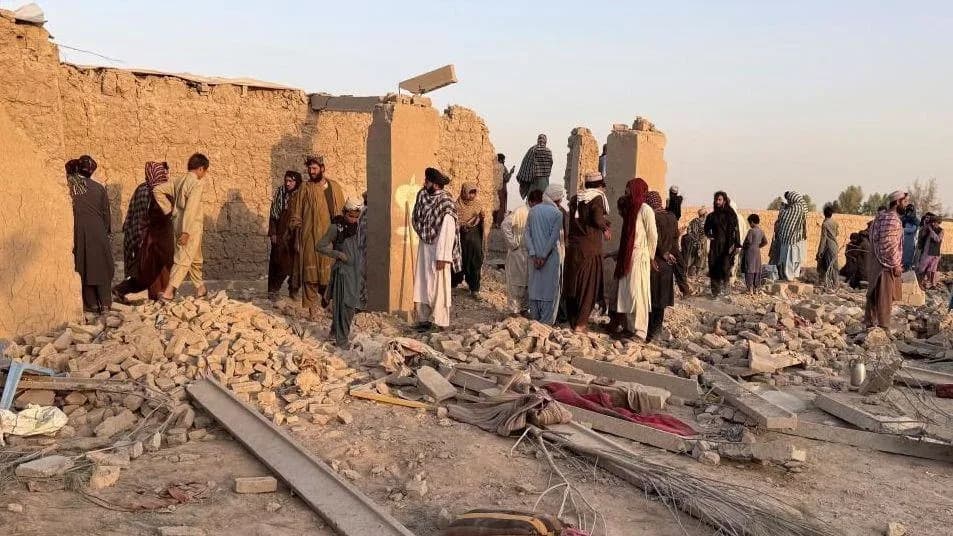
The United Nations reported in May that cross‑border clashes killed at least 372 Afghan civilians and injured 397 during the first three months of 2026. Last week, Pakistan said it launched air strikes on Afghan provinces that Islamabad described as "calibrated" and said killed 26 fighters; Afghan officials said those raids killed 13 people, including 11 children, and wounded 14.
"Afghanistan will no longer tolerate any threat to its security and stability. It will use all available means and capabilities to neutralise and eliminate any threat at its source," the Afghan defence ministry said in its Friday statement.
Risks And Diplomatic Outlook
The cross‑border strikes deepen an already tense relationship and increase the risk of further escalation. Diplomats and regional mediators face a narrowing window to prevent a wider conflict, with civilian casualties and instability likely to draw international concern.
Help us improve.