Russian Foreign Minister Sergei Lavrov has rejected the EU as a viable negotiating partner to end the war in Ukraine, accusing European leaders of propping up President Volodymyr Zelensky rather than pursuing genuine talks. An EU official said only brief contacts have been held to open channels with Moscow, with no substantive negotiations. Lavrov accused a "united Europe" of seeking NATO and EU expansion toward Russia and warned that a direct NATO-Russia clash could risk reciprocal nuclear strikes with "catastrophic consequences."
Lavrov Dismisses EU As Negotiating Partner, Warns Of 'Catastrophic' Nuclear Risks
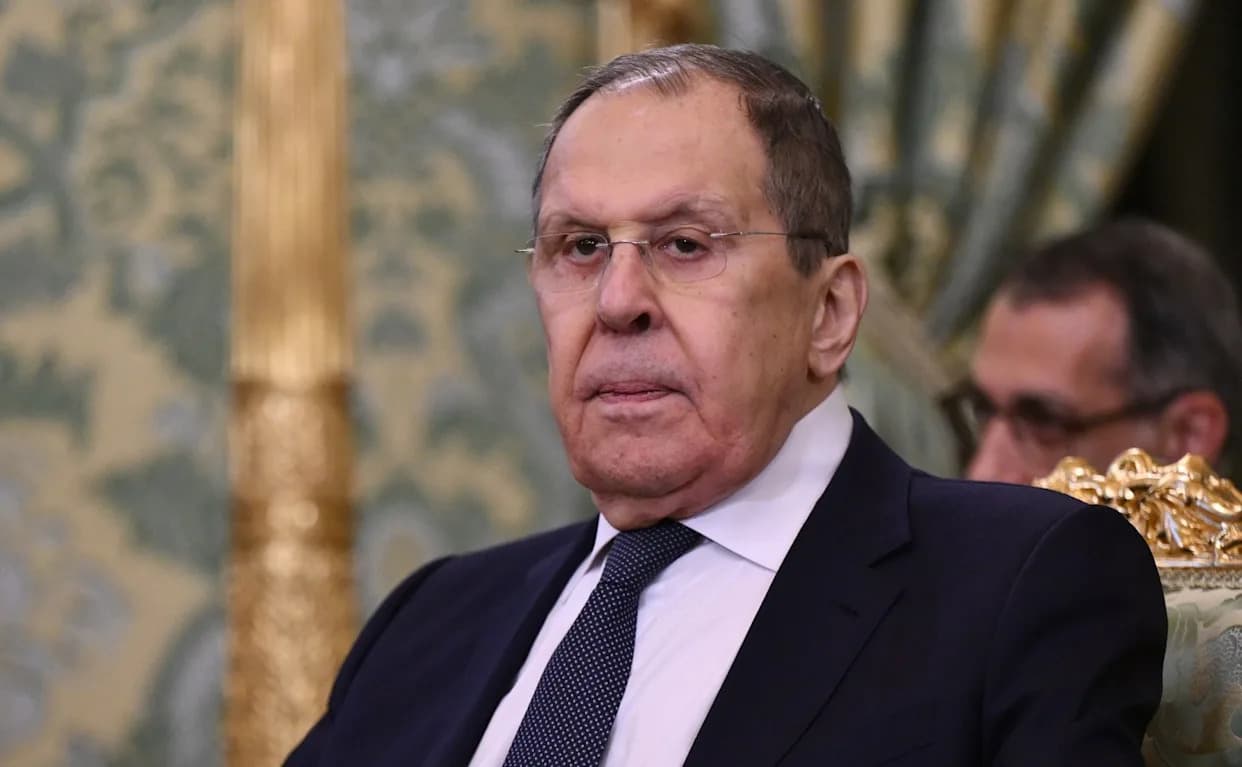
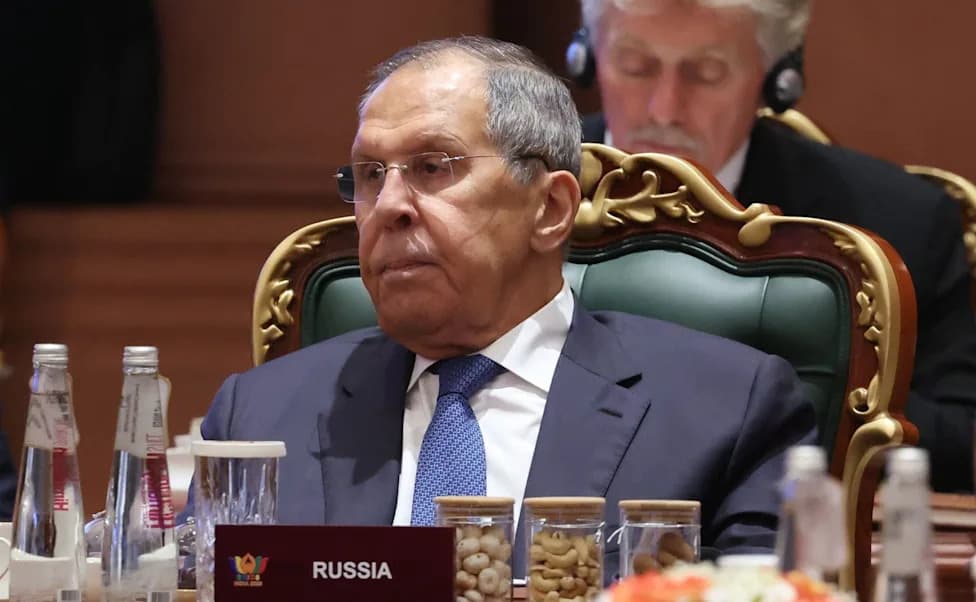
FILE PHOTO - Russian Foreign Minister Sergey Lavrov attends a meeting with President Vladimir Putin and Laos' President Thongloun Sisoulith (both not pictured) at the Kremlin. (is associated with: «Russia's Lavrov does not see the EU as a suitable negotiating partner») -/Kremlin/dpa
Russian Foreign Minister Sergei Lavrov has publicly rejected the European Union as a credible negotiating partner for ending the war in Ukraine, accusing EU leaders of prioritizing political support for Kyiv over genuine diplomacy.
In an article published on the Russian Foreign Ministry website, Lavrov argued that the true aim of many European leaders is "to shore up the [Ukrainian President Volodymyr] Zelensky regime and preserve it as a launchpad for continued confrontation against Russia."
"It is to shore up the [Ukrainian President Volodymyr] Zelensky regime and preserve it as a launchpad for continued confrontation against Russia," Lavrov wrote.
An EU official confirmed there have been brief, recent diplomatic contacts intended to open communication channels with Moscow, but said no substantive negotiations have taken place.
Lavrov also reiterated Moscow's longstanding objection to NATO and EU expansion near Russia's borders, saying a "united Europe continues to dream of expansion" and arguing that Europe cannot act as an impartial third-party mediator in talks involving Russia.
He warned that a direct confrontation between Russia and NATO could risk reciprocal nuclear strikes with "catastrophic consequences," framing the threat as a deterrent to escalation.
Context
Diplomatic relations between Brussels and Moscow were already deeply strained after Russia's occupation of parts of Ukraine in 2014 and have been largely frozen since Russia launched a full-scale invasion in 2022. Brief contacts to reopen channels indicate limited, cautious engagement but not a return to substantive diplomacy.
Help us improve.