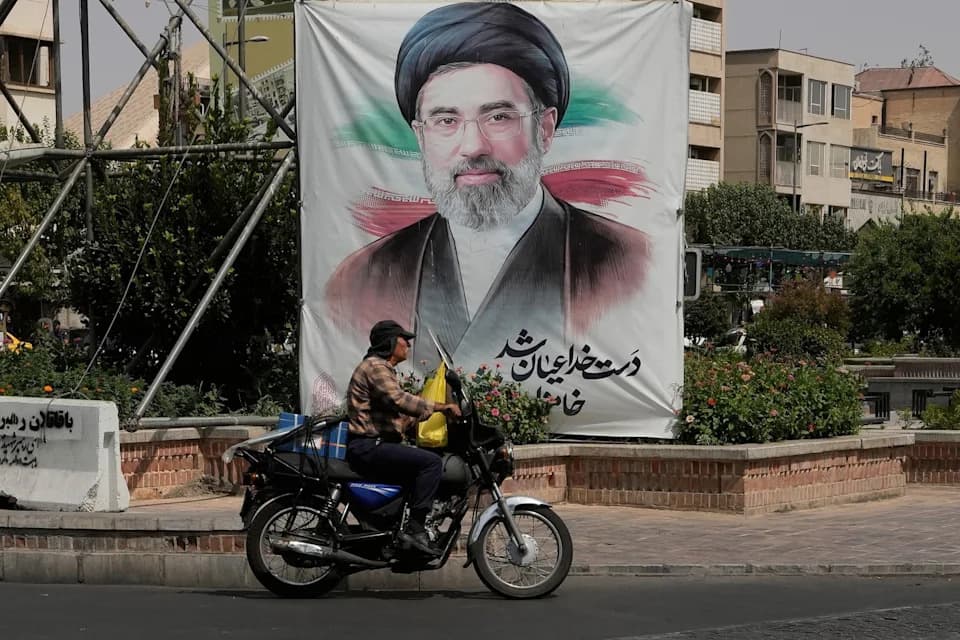
Analysts Are Split Over Who Won the Iran War. U.S. and allied strikes degraded Iran’s conventional forces and damaged parts of its nuclear and defense-industrial infrastructure, but Tehran’s regime survived and may benefit politically and economically from the ceasefire agreement. Many experts call the outcome a tactical U.S. success that falls short of durable strategic gains, warning that a likely 60-day sanctions reprieve and reconstruction funds could allow Iran to rebuild.
Who Won the Iran War? Ten Analysts Say Tactical U.S. Gains, Strategic Stalemate for Washington
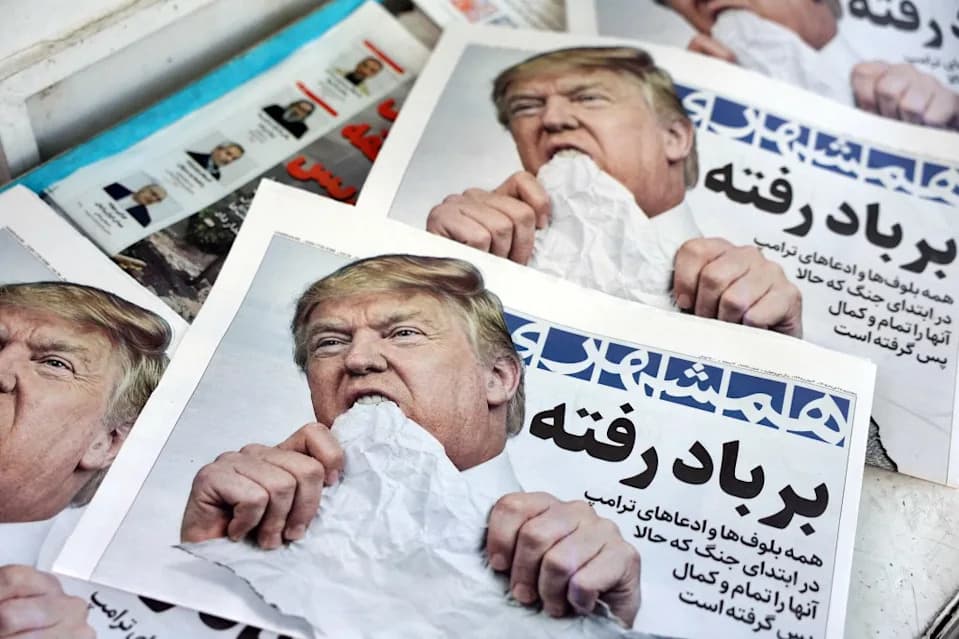
Copies of the Iranian daily newspaper Hamshahri, bearing an image of U.S. President Donald and a headline that reads “Gone with the wind,” displayed at a kiosk in Tehran on June 18, 2026. The United States and Iran have signed a deal to end the war, with a ceremony set for June 19 in Switzerland that will mark the start of a 60-day negotiation period. The memorandum of understanding aims to put an end to months of conflict initiated by U.S.-Israeli strikes in Iran on February 28. (Photo by AFP via Getty Images) /
President Donald Trump called the deal that ended the nearly four-month war with Iran a “great agreement,” but analysts and critics have questioned whether the costs were too high and whether the United States truly emerged victorious.
When U.S. forces joined Israel in strikes beginning on February 28, Washington set multiple objectives: degrade Iran’s conventional military power, eliminate any nuclear-weapons threat, push for regime change, dismantle Tehran’s proxy networks, and curtail its ballistic missile capabilities. The campaign achieved clear tactical and military effects, but many of the administration’s broader political and strategic goals were not fully realized.
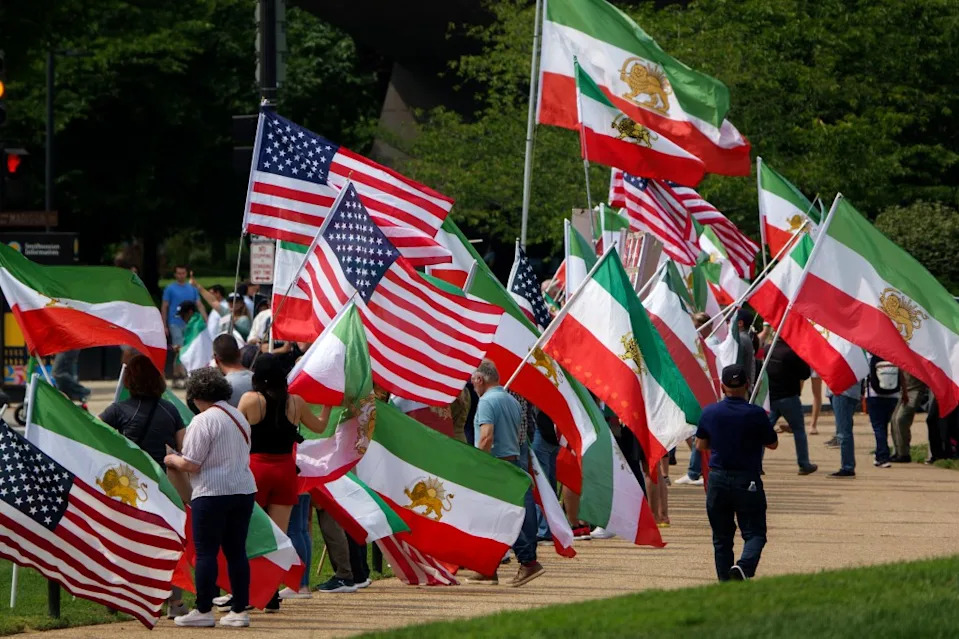
People gather along the National Mall to protest the Islamic regime and executions of Iranians on June 6, 2026, in Washington. (Photo by Kevin Carter/Getty Images)
Overview Of Outcomes
The conflict left a complex legacy. Thirteen U.S. service members were killed, weapons stockpiles and finances were strained, and relations with key allies—especially Israel—were frayed. Billions of dollars were spent and much of Iran’s conventional military and defense-industrial base was damaged. Yet Tehran’s regime survived, retained core capabilities, and may benefit politically and economically from the ceasefire deal.
What Analysts Agreed On
- Tactical Military Successes: U.S. and allied strikes degraded Iran’s conventional forces, damaged much of its defense-industrial base and set back portions of its nuclear program.
- Political And Strategic Shortfalls: Many experts argue the U.S. failed to secure enduring political outcomes — Tehran preserved key levers of power and international partners may view U.S. credibility as strained.
- Potential For Reconstitution: Leaked terms of the memorandum of understanding (MOU) suggest a likely 60-day window with sanctions relief and funds that could enable Iran to rebuild damaged capabilities.
“There was no meaningful victory for ordinary Iranians, for regional stability, or for U.S. strategy,” one analyst observed, arguing that the conflict strengthened hardline elements inside Iran even as it weakened parts of the country materially.
Another expert noted: “From Tehran’s perspective, it defended itself against aggression, demonstrated the ability to strike neighbors and create a chokepoint of global significance, and secured reconstruction funds and asset releases in return for reopening the Strait of Hormuz.”
Points Of Contention
Analysts disagreed on the degree of Iran’s military degradation (ballistic missiles vs. drones), the durability of nuclear setbacks (some argue major damage was done in earlier strikes), and the practical effects of sanctions relief. Several commentators warned that the MOU lacks robust inspection mechanisms and specific limits on missile capabilities or declared nuclear sites, creating uncertainty about long-term verification.
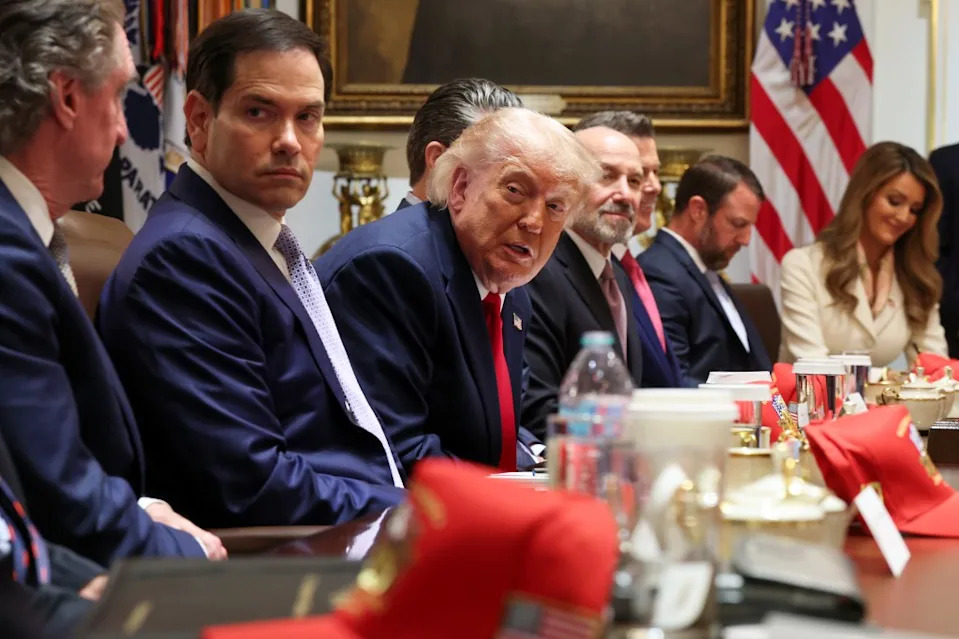
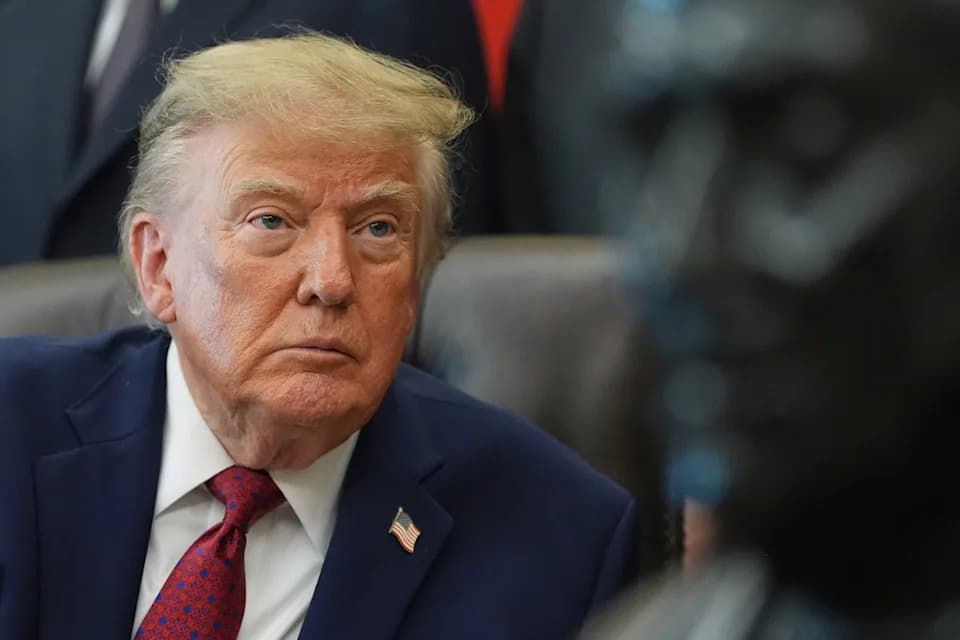
U.S. President Donald Trump, center, speaks as, from left, Interior Secretary Doug Burgum, Secretary of State Marco Rubio, Secretary of War Pete Hegseth, Commerce Secretary Howard Lutnick, Transportation Secretary Sean Duffy, Homeland Security Secretary Markwayne Mullin and Small Business Administration Kelly Loeffler listen during a Cabinet meeting in the Cabinet Room of the White House on May 27, 2026, in Washington. (Photo by Win McNamee/Getty Images)
Some commentators judged the United States to be in a relatively better military position because of the scale of damage inflicted. Others stressed that war is ultimately political: if sanctions relief and reconstruction funds allow Iran to reconstitute its program, then tactical military gains could be reversed.
Bottom Line
Across the ten expert assessments, a common theme emerges: the United States achieved significant tactical and operational effects, but the larger strategic picture is unresolved. Tehran’s regime survived the shock, preserved core aspects of its capabilities and leverage, and may recover damaged assets if diplomatic terms permit. Many analysts therefore describe the result as a U.S. tactical success but a strategic stalemate—or even a political win for Iran.
Questions remain: Will sanctions snap back if Iran violates the MOU? Can the international community build an enforceable inspection and verification regime? The answers will determine whether military gains translate into lasting strategic advantage.
Help us improve.