Quick summary: Despite the newly signed US–Iran framework agreement, ship traffic through the Strait of Hormuz remains low, mostly in the single-digit to low double-digit daily transits. Maritime monitors (Windward, Kpler, IMO) report only a modest uptick. Hapag-Lloyd is preparing four chartered vessels but will only transit once safety is confirmed, and experts warn damaged facilities and insurance adjustments could delay a fuller recovery.
Strait of Hormuz: Shipping Traffic Remains Muted Despite Signed US–Iran Framework Deal
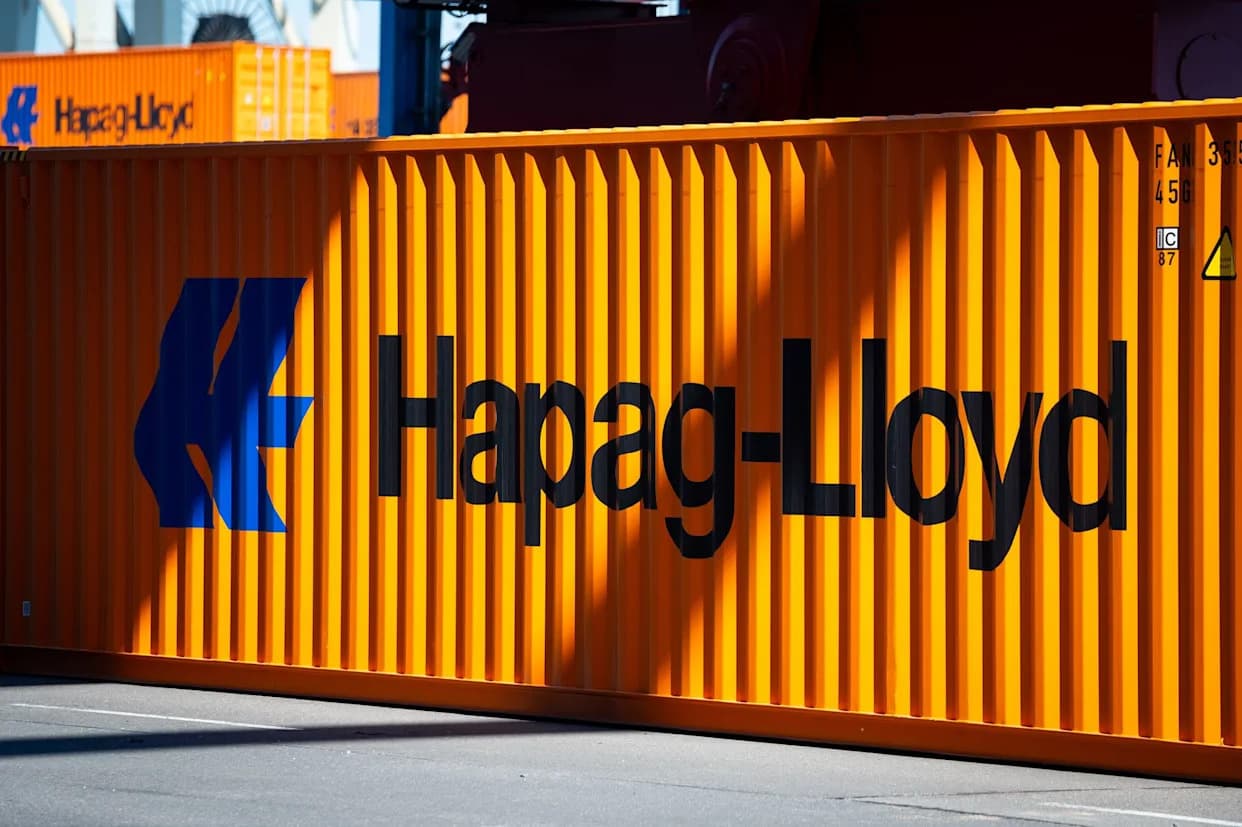
FILE PHOTO: A container bearing the Hapag-Lloyd logo lies in Hamburg's Burchardkai harbor. (is associated with: «Shipping traffic through the Strait of Hormuz remains subdued») Jonas Walzberg/dpa
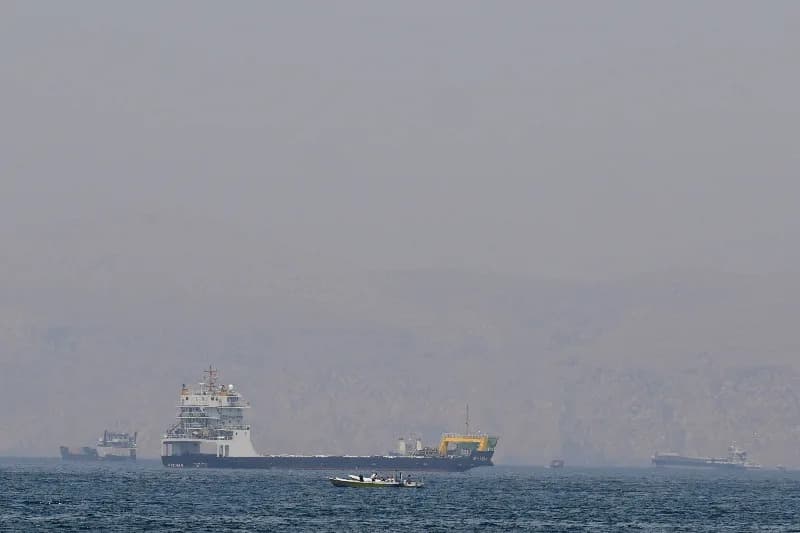
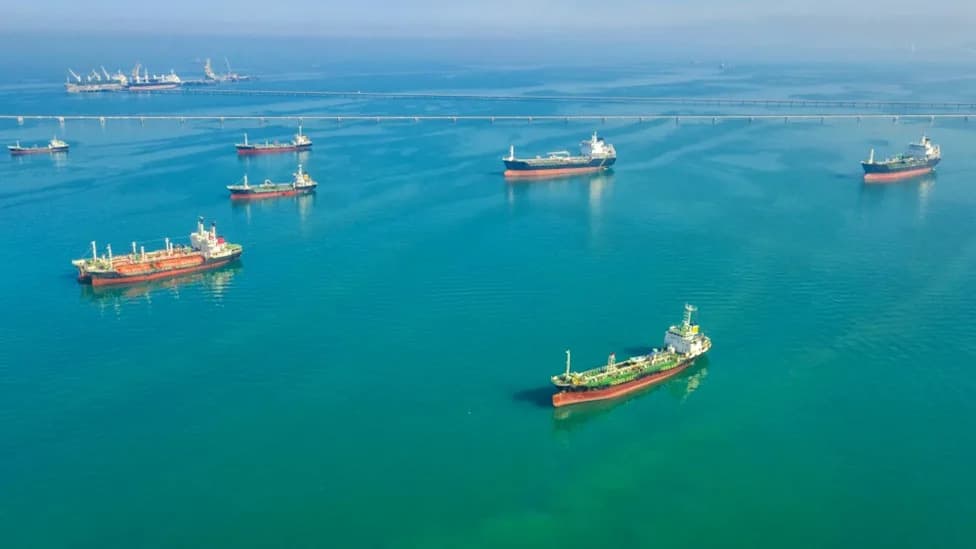
Following the signing of a framework agreement between the United States and Iran, ship traffic through the Strait of Hormuz remains subdued for now, industry sources say.
Association of German Shipowners (VDR) spokespersons told dpa that they have not observed a significant rebound in transits. “While more than 100 ship transits are normally recorded daily, the transits recorded most recently have predominantly been in the single-digit to low double-digit range,” the VDR said.
Transit Figures From Maritime Data Providers
Maritime data providers reported only modest activity: Windward reported on X that seven cargo ships were passing through the strait earlier in the morning, while Kpler counted four transits by early Thursday afternoon. The International Maritime Organization (IMO) — which aggregates several sources — estimated 15 crossings on Tuesday. Kpler recorded 14 crossings on Tuesday and six on Wednesday, indicating a slight uptick from very low levels earlier in the week.
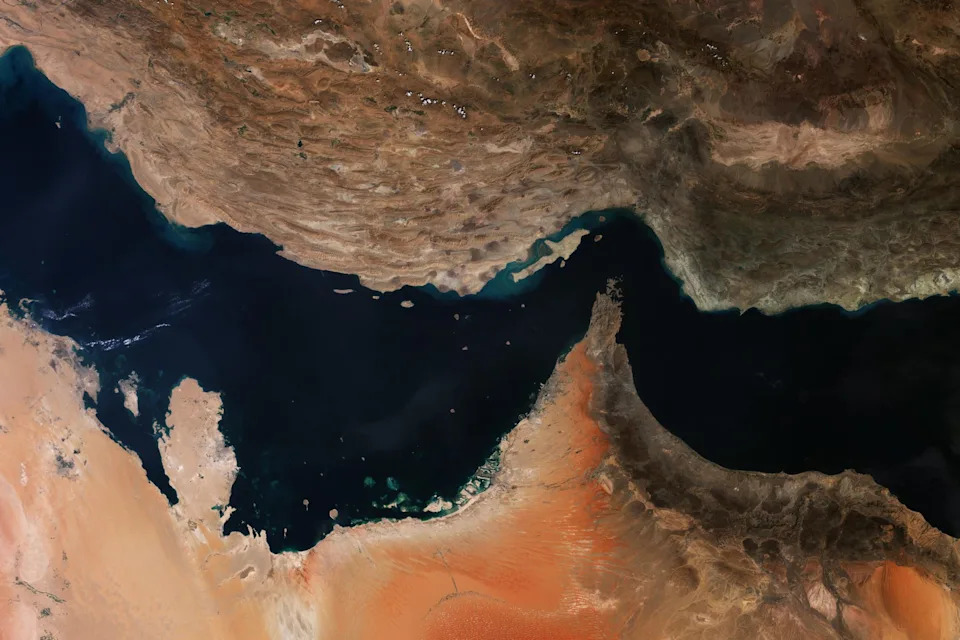
FILE PHOTO - A satellite image captured by Copernicus Sentinel-3A and provided by ESA shows the Strait of Hormuz, which connects the Gulf of Oman with the Persian Gulf and separates Iran from the countries of the Arabian Peninsula. (is associated with: «Shipping traffic through the Strait of Hormuz remains subdued») -/ESA/dpa
Industry Response
Hapag-Lloyd, Germany’s largest container shipping company, told dpa that four chartered vessels in the Persian Gulf are being prepared for passage through the Strait of Hormuz but “we will only sail through once it is safe to do so.” The company said it will first assess how the framework agreement is implemented before resuming scheduled transits and did not provide a timetable.
Why Trade May Not Bounce Back Immediately
Experts warn that a formal reopening of transit does not guarantee an immediate return to normal trade flows. Production facilities in the region have suffered damage, and insurers will need time to reassess risk and adjust coverage and premiums. Those factors — together with operational caution by shipowners and charterers — could delay a full recovery of exports.
Context And Implications
At the start of the conflict involving Israel and the US, Iran carried out attacks and threats that effectively rendered the strait impassable to international shipping. The US then imposed a naval blockade targeting ships bound for or departing Iranian ports. China is widely viewed as the main buyer of Iranian oil; if the US naval restrictions are lifted and security stabilizes, Iran could more quickly resume vital export revenue.
Sources: VDR (dpa), Windward, Kpler, IMO, Hapag-Lloyd (dpa)
Help us improve.