A private tutor, Shahid Adnan, was jailed for three years after investigators found he completed coursework and sat online tests for more than 120 students at Liverpool John Moores University. The fraud was exposed when a lecturer found other students’ files and login details on a USB drive and alerted police. Evidence including files, an IP address and bank records showed Adnan charged up to £14,000 per client and held over £2m across several accounts; asset recovery under the Proceeds of Crime Act will now begin.
Lecturer's Tip-Off Exposes £14,000 Cheating Racket — Tutor Jailed After USB Evidence Leads to Arrest
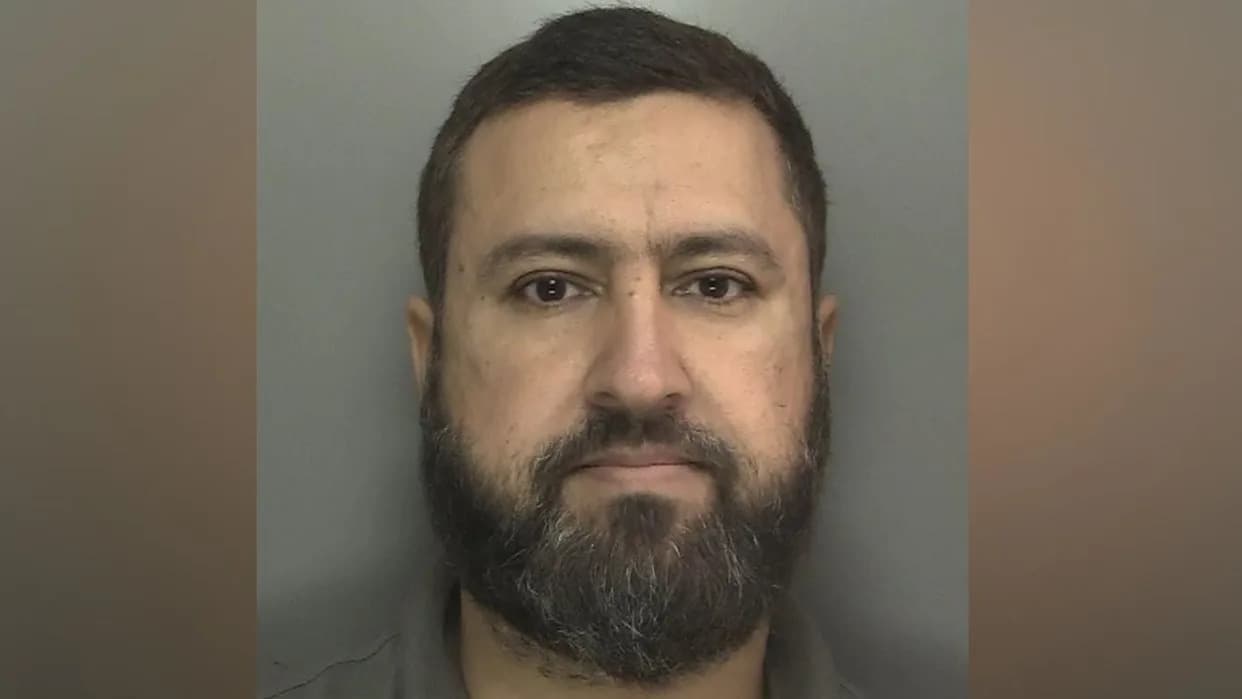
Police discovered Shahid Adnan had more than £2m in three bank accounts [Merseyside Police]
A private tutor, Shahid Adnan, has been jailed for three years after running a sophisticated scheme in which he completed coursework and sat online tests for more than 120 students at Liverpool John Moores University (LJMU). Prosecutors say Adnan charged some students as much as £14,000 and investigators found more than £2m across multiple accounts linked to his activity.
Detective Sergeant Adam Dagnall, of Merseyside Police’s cyber dependent crime unit, said the fraud was uncovered when Dr Tom Berry, a lecturer in LJMU’s School of Computer Science and Mathematics, noticed irregular files on a student’s USB pen drive.
How the Scam Was Exposed
Dr Berry discovered additional folders on the device that did not belong to the submitting student. Those files included other students’ names, coursework, exam dates, monetary amounts and, in some cases, login credentials. Recognising the pattern, he reported the material to police.
“Within that folder were other students’ names, their coursework and exams they were sitting, dates... and some monetary values,” Dagnall told BBC Radio Merseyside. He said the evidence made it "quite obvious" that students had paid a third party to complete assessments on their behalf.
Evidence and Investigation
Alongside the files from the USB drive, Dr Berry provided police with an IP address used to submit multiple pieces of student work. Officers combined that information with data from the university’s internet service provider and banking records to build the case.
Police found Adnan operated a company called Study Sharp Ltd, which received payments from LJMU students. Investigators believe he may have offered similar services to students at other UK universities.
Lavish Lifestyle and Financial Traces
Detectives identified several accounts and assets linked to the scheme. One Barclays account contained £1,505,156; two Lloyds accounts held £600,590 and £245,279; a PayPal account held £110,214. Officers also recovered cash and found a trading account. Adnan was observed driving high-end Audi and BMW cars and living in a home with expensive furnishings.
“Cheating at academic institutions is a serious matter, which if left unchallenged can result in students gaining qualifications and moving into careers without having the necessary skills and abilities,” Dagnall said.
Police estimate the racket earned Adnan at least £300,000. He pleaded guilty to the offences and was sentenced to three years in prison. Proceedings to recover assets under the Proceeds of Crime Act will now begin.
University Response
An LJMU spokesperson said the university promotes a culture of academic integrity, takes all forms of academic dishonesty very seriously and continually reviews safeguards to protect the integrity of assessment processes.
Dagnall praised Dr Berry and his colleagues for their diligence in spotting and reporting the evidence that helped unravel the fraud, and said he hoped the sentence would deter others from committing large-scale academic fraud.
Help us improve.