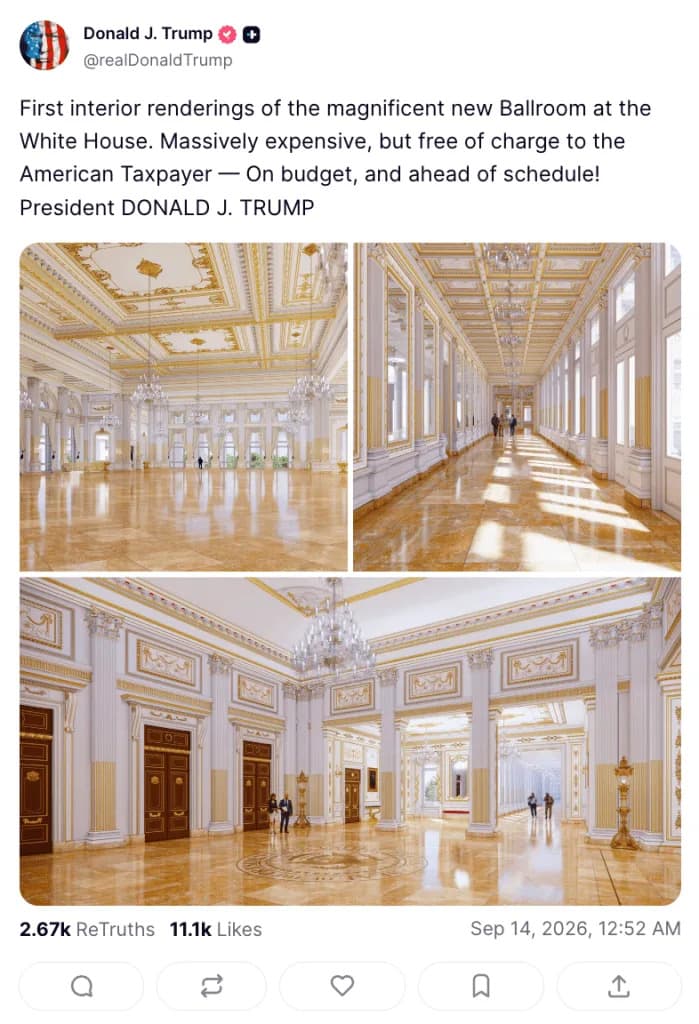
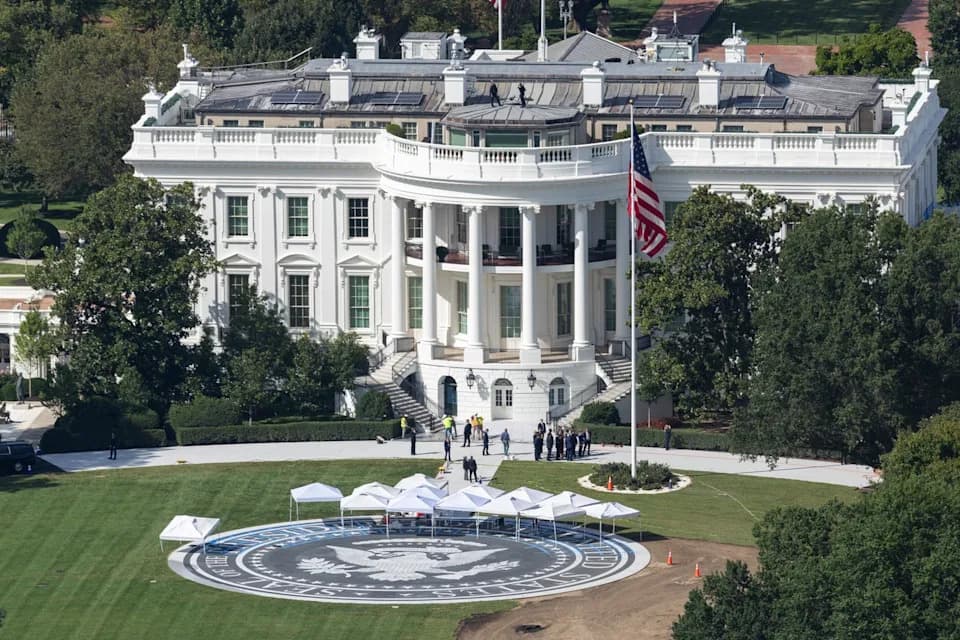
The White House ballroom project, backed by President Trump, may cost $600 million according to a leaked Clark Construction estimate, with roughly 51%—about $307 million—projected to be covered by public funds. Trump has repeatedly insisted the project would be privately financed, even as invoices show the government already authorized tens of millions in payments. Construction began in October 2025 and was advanced as a security priority; a federal judge blocked above-ground work pending congressional approval, and a proposed $400 million funding bill failed in the Senate.
Leaked Estimate: White House Ballroom Could Cost $600M — Taxpayers May Foot ~$307M
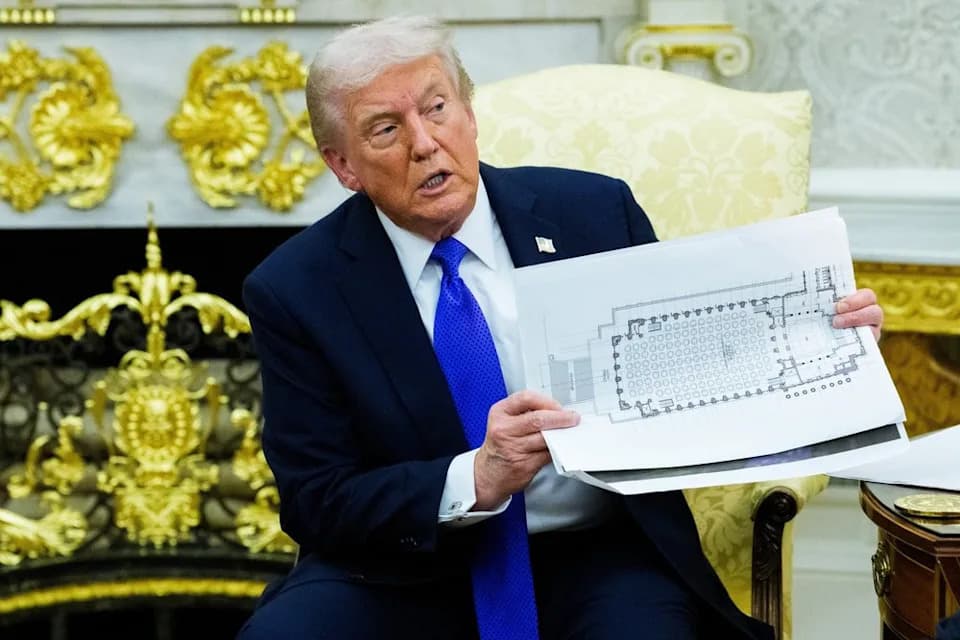
President Donald Trump, seen holding a floor plan of the planned White House Ballroom extension, has repeatedly claimed that the project will be privately funded.
A leaked construction estimate suggests the White House ballroom project championed by President Donald Trump could carry a $600 million price tag—$200 million higher than earlier figures—and that roughly 51% of that total, about $307 million, may be paid with public funds.
What the Estimate Says
The assessment, produced by Clark Construction weeks before a March 31 Oval Office briefing and obtained by The Washington Post, concluded the venue would likely cost $600 million. Clark Construction, the Virginia-based contractor tapped to build the ballroom on the former East Wing site, projected that about 51% of costs would be borne by the U.S. Secret Service, the White House Military Office and the Executive Residence.
Private Donations vs. Public Payments
President Trump initially put the ballroom's price at $200 million and later raised that figure to $400 million, repeatedly insisting the project would be privately financed. "This is taxpayer-free," he told reporters on March 31. He also said the ballroom would be "100% by me and some friends of mine." However, invoices cited by The Washington Post indicate the government authorized more than a dozen payments to the contractor totaling tens of millions of dollars before the president publicly described the project as taxpayer-free.
Donors, Timeline and Security Rationale
The White House released an October 2025 donor list naming major tech firms—including Apple, Amazon, Google, Meta and Microsoft—as contributors. Construction of the 90,000-square-foot project began in October 2025, with the administration framing it as a national security priority. Officials said momentum to complete the site intensified after the arrest of a suspected would-be assassin at the White House Correspondents' Dinner in April.
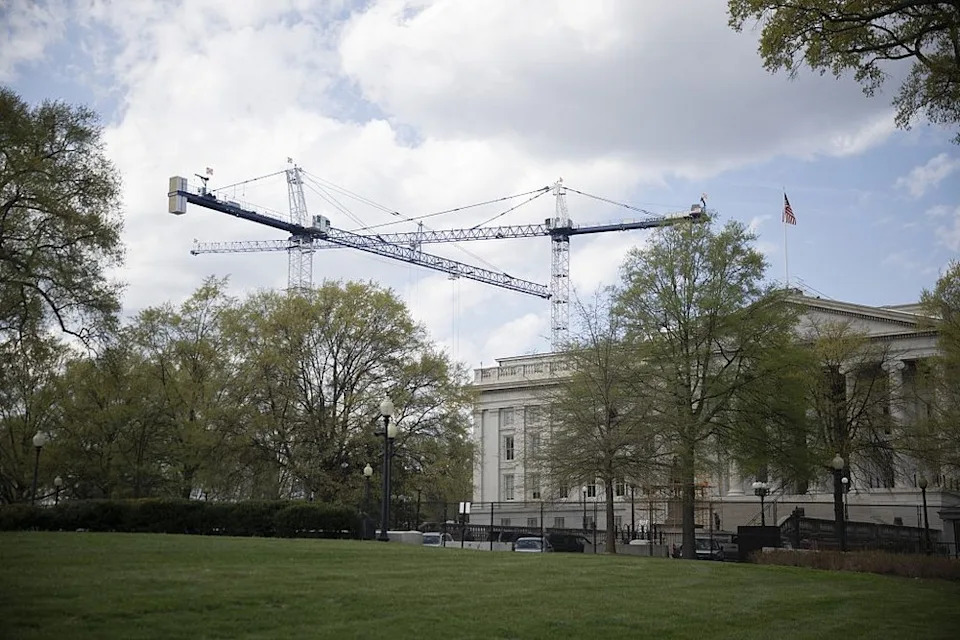
The Trump Administration demolished the East Wing of the White House last year to make room for the 90,000-square-foot ballroom.(Anadolu via Getty Images)
Legal And Legislative Roadblocks
In April, a federal judge allowed work on an underground security bunker to resume but blocked above-ground construction of the ballroom pending congressional approval. U.S. District Judge Richard Leon wrote that the administration's argument that the entire project was necessary for national security was "to say the least, incredible, if not disingenuous."
Earlier this month, Senate Republicans proposed legislation to earmark $400 million in public funds for the ballroom and related security infrastructure, but the measure failed after Democrats and seven Republicans voted against it.
White House Response
White House spokesman Davis Ingle said the East Wing Modernization Project is "inextricably tied to the security of the president, the White House grounds and the certain security infrastructure assets." Ingle emphasized prior coordination with the White House Military Office and the U.S. Secret Service on design and planning and said that "President Trump and generous American patriots are funding the ballroom to the tune of approximately $400 million, which will be a secure and appropriate venue for presidents for generations to come."
Why It Matters
The leaked estimate and accompanying invoices have intensified scrutiny over the project's financing and the administration's public claims that the ballroom would be privately funded. With legal limits on above-ground work and a failed bid for large-scale public funding, questions remain about how remaining costs will be allocated between private donors and taxpayers.
Help us improve.