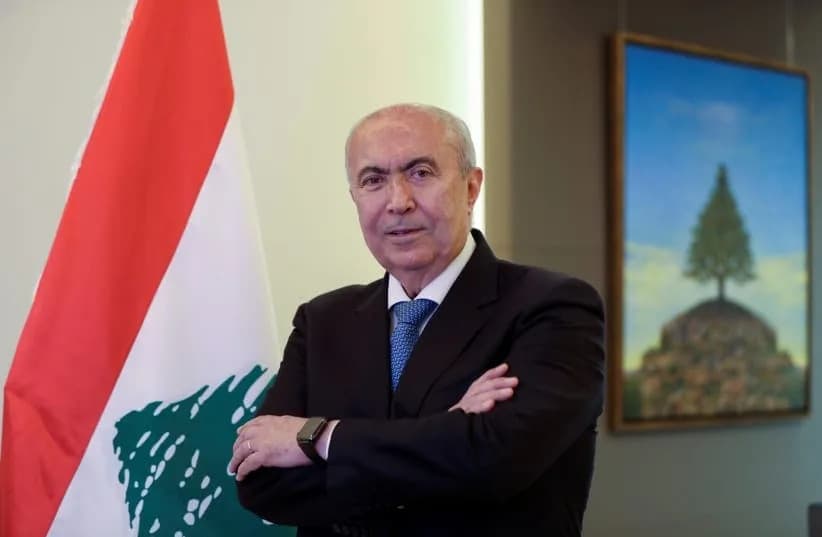
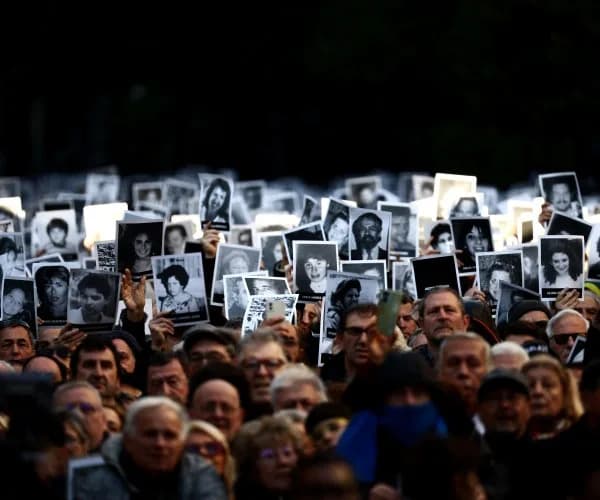
Maria Maalouf, a prominent Lebanese journalist, was sentenced in absentia to 15 years after a 2021 interview with Israel’s KAN News in which she accused Hezbollah and Hassan Nasrallah of holding Lebanon hostage. Maalouf says she received no prior notification and had no meaningful chance to defend herself in military court. She recounted hundreds of threats filed with authorities that went unprosecuted and argued the verdict reflects selective enforcement that punishes critics while treating Hezbollah affiliates lightly, chilling debate about normalization with Israel.
Lebanese Journalist Maria Maalouf Sentenced to 15 Years in Absentia After 2021 Israeli Interview — She Says Courts Protect Hezbollah
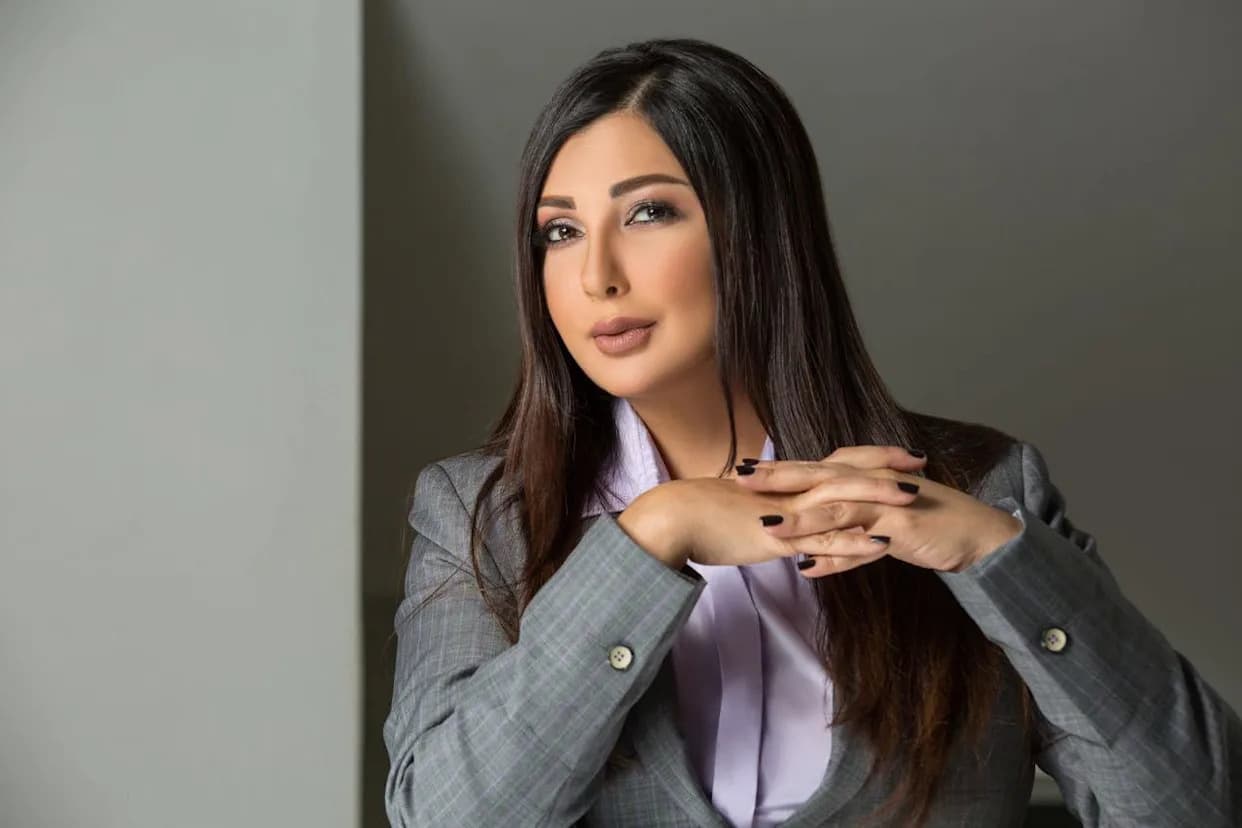
Journalist Maria Maalouf. (photo credit: Courtesy)
Lebanese journalist Maria Maalouf says she was sentenced in absentia to 15 years in prison after a 2021 interview with Israel’s KAN News, a verdict she and supporters argue demonstrates how parts of Lebanon’s judiciary protect Hezbollah rather than the state.
What Happened
Maalouf told The Jerusalem Post that Lebanese authorities never notified her before the sentence was handed down. In the 2021 interview she accused Hezbollah leader Hassan Nasrallah and what she described as "Iran’s party in Lebanon" of having "taken the state hostage and returned it to the stone age," and said the group had alienated Lebanon from its Arab neighbors during a diplomatic crisis with Saudi Arabia.
"Fifteen years, for sitting in a studio and answering a journalist's questions," Maalouf said, calling the punishment absurd and explaining how the conviction has transformed everyday family decisions—phone calls home, visits, weddings and funerals—into moments governed by fear.
Legal Background And Related Cases
Beirut’s First Investigative Judge Ghassan Oueidat previously issued an arrest warrant in absentia against Maalouf for alleged slander and defamation of Nasrallah. That warrant followed Maalouf’s own lawsuit accusing Nasrallah and associates of kidnapping, rape and murder, and documents in her case also referenced alleged crimes by Hezbollah and its partners across the region.
Maalouf said she received no meaningful chance to defend herself after a Military Court investigative judge issued an arrest warrant in 2022. She and other critics say in-absentia military proceedings for exiled critics are designed to produce convictions rather than hear defenses.
Threats, Online Harassment And Allegations Of Uneven Justice
Maalouf recounted years of threats tied to her criticism of Hezbollah, including a 2006 call she attributes to the group warning she was a "dead woman" and threats from figures tied to the Assad regime in Syria. Her lawyer compiled more than 500 threat messages directed at her; according to Maalouf, none of those cases were prosecuted.
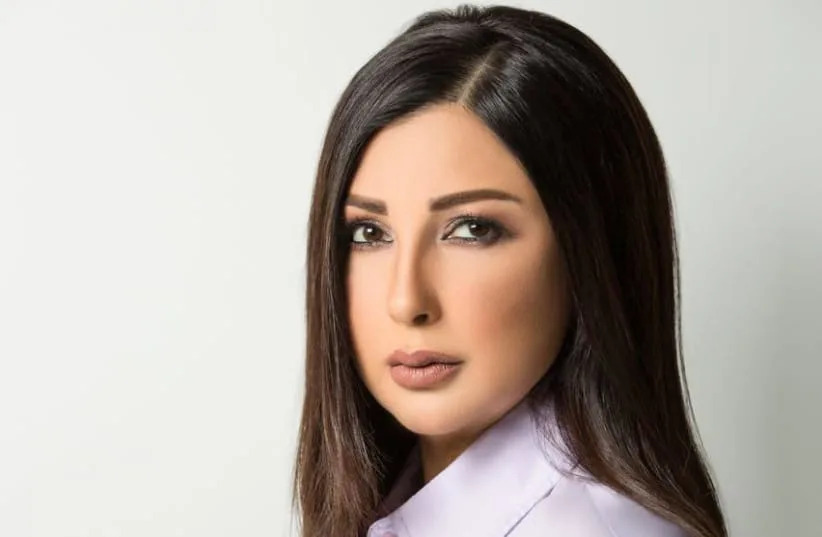
Journalist Maria Maalouf. (credit: Courtesy)
She contrasted her heavy sentence for giving interviews and making public comments with the light punishments reportedly handed to Hezbollah operatives caught transporting weapons after the cabinet ban on the group’s military activities. Maalouf and others argue that the legal system appears to penalize critics while treating pro-Hezbollah actors more leniently.
Timing And Broader Political Context
Maalouf highlighted the timing: the 2021 interviews were followed in 2026 by her 15-year sentence, which came days after identical in-absentia 15-year verdicts for two other Lebanese expatriates, Ahmad Yassine and Joumana Gebara, on broad charges of "collaboration with Israel." Maalouf described the clustering of verdicts as a pattern occurring while Hezbollah faces increased scrutiny over its weapons.
She also warned that such verdicts chill public debate about relations with Israel. "You cannot have a serious national conversation about your relationship with a neighboring state when simply appearing on that state's television is classified, by your own courts, as treason," she said.
What Maalouf Says It Means For Lebanon
Maalouf argued the punishments are less about law than about unwritten rules of enforcement: which laws will be applied and against whom. She said this informal architecture of fear narrows the space for journalism and public discussion on sovereignty and normalization with neighboring states.
"A military court can write whatever number it wants on a piece of paper, but that does not make me guilty of anything. What it does is tell you, with total clarity, who that court is actually protecting, and it isn't Lebanon," Maalouf told The Jerusalem Post.
Facts to note: the Lebanese cabinet voted to ban Hezbollah’s military activities amid rising tensions; Lebanon’s prisons are significantly overcrowded (authorities reported 8,502 inmates in facilities built for 4,760 as of 2023); and critics say in-absentia military convictions and selective prosecutions contribute to a chilling effect on free speech.
Help us improve.