Researchers led by Magdalena Osburn analyzed fluids from six sites in the former Homestake Mine (Sanford Underground Research Facility) and found distinct microbial communities at depths of ~250–1,500 meters. Each location hosted different species but repeated core functions: a low-energy group that recycles carbon and a second group ready to exploit nutrient pulses. The work highlights risks for subsurface engineering (dormant microbes becoming active and potentially corroding infrastructure) and informs astrobiology about how life can organize in extreme, isolated habitats.
Distinct Microbial 'Microcosms' Nearly a Mile Underground — Risks for Infrastructure and Clues for Life Beyond Earth
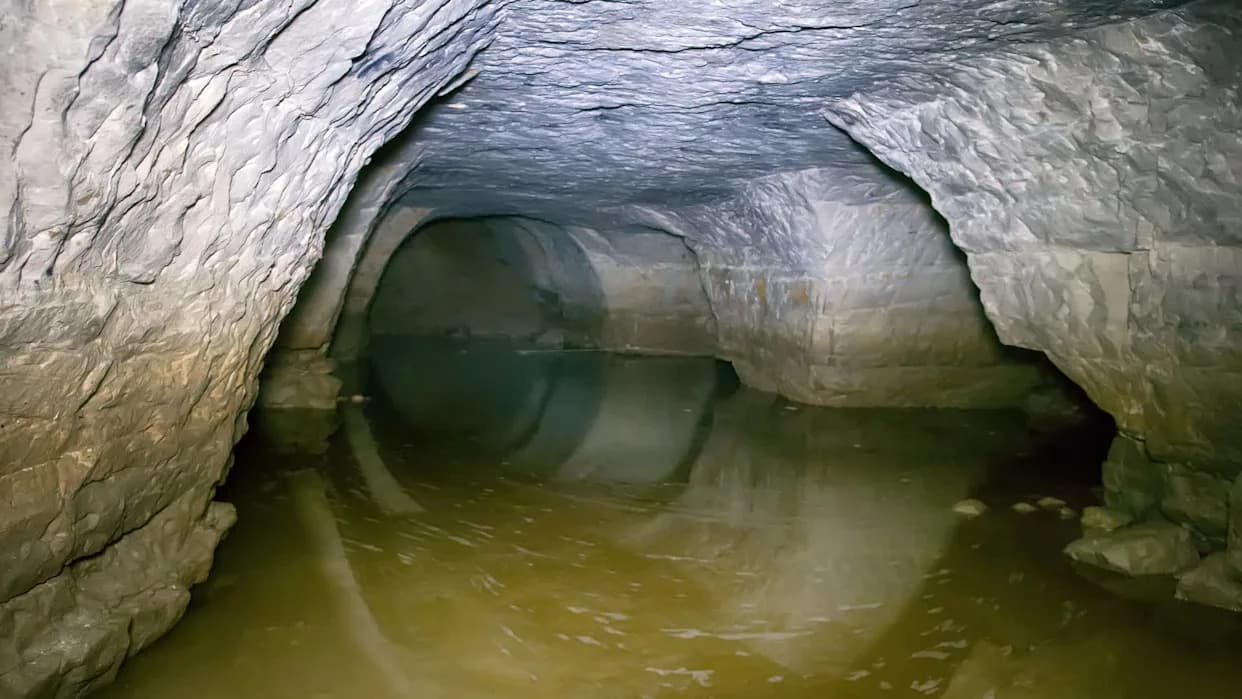
Photo Credit: iStock
Researchers exploring the former Homestake gold mine in South Dakota — today the Sanford Underground Research Facility — have uncovered compact, highly organized microbial communities living nearly a mile beneath the surface. The four-year study, led by Northwestern geobiologist Magdalena Osburn, shows that deep subsurface life is not a uniform smear of hardy microbes but a patchwork of distinct, locally adapted ecosystems.
Study and Methods
Osburn and her team sampled fluids moving through rock fractures at six locations within the mine, with depths ranging from roughly 820 feet (about 250 meters) to nearly 4,920 feet (about 1,500 meters). Over multiple field seasons and laboratory analyses, they compared the composition and likely metabolic roles of the microbes present at each site.
What They Found
Contrary to expectations that the mine would host a broadly similar microbiome throughout, each sampling site contained a distinct microbial community. Nearby sites sometimes looked very different from one another in species composition, yet they shared recurring functional roles needed for survival in this extreme environment.
'Each site is its own little microcosm,' Osburn said. 'We thought the communities should be broadly similar. That's not what we found at all.'
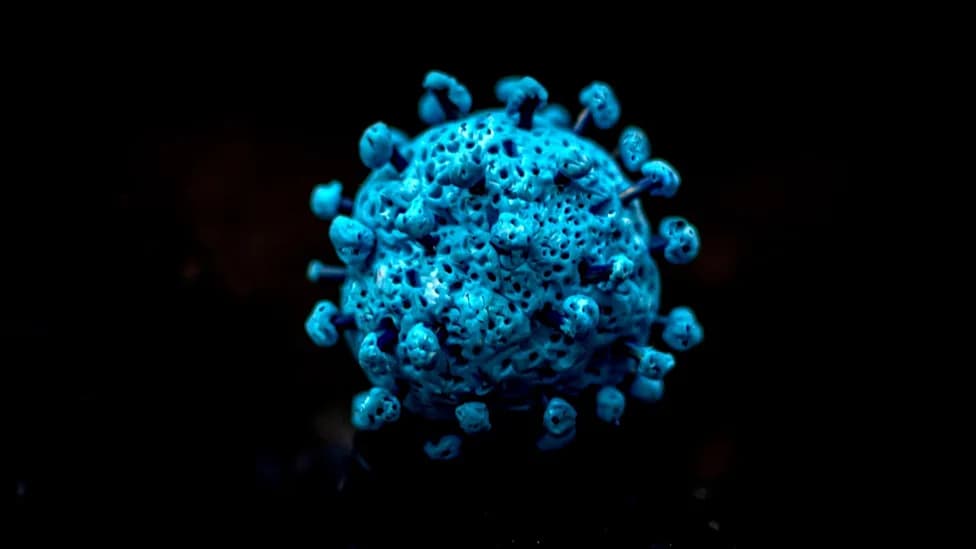
The researchers observed a partitioning of ecological roles: a 'core' community with a low-energy, slow metabolism that recycles carbon and helps stabilize local chemistry, and a second group of microbes that appears poised to respond rapidly to episodic pulses of nutrients.
Implications
These findings carry practical consequences for subsurface engineering. Projects such as underground carbon storage, geothermal energy development, or any activity that introduces new chemicals into deep fractures could 'wake up' dormant microbes. Some of these organisms may then alter local chemistry or contribute to corrosion of pipes, wells, and other infrastructure.
Beyond applied concerns, the results reshape how scientists think about life belowground and its potential on other planets. The discovery that functionally similar roles recur even when species differ suggests resilient ecological strategies that might also apply to subsurface habitats on Mars or icy worlds.
Practical takeaway: localized microbial communities deep underground are functionally consistent but taxonomically diverse — a pattern that matters for both engineering risk assessments and astrobiology.
'I have a friend who says, "Every town needs a plumber," Osburn noted — meaning that although species differ, key functional roles (the 'plumber') are present at every site. Even in one of Earth's most secluded and extreme environments, life remains organized and functionally resilient.
Help us improve.