The death of Haitian asylum seeker Daphy Michel, released by ICE at a Pittsburgh bus shelter on Feb. 27, has been ruled a homicide caused by hypothermia. Examiners noted she suffered from untreated severe mental health issues and faced a significant language barrier after six months in custody. Family and local officials say she was left far from home in inadequate clothing; ICE disputes responsibility, saying she died three days after their encounter. The case echoes another recent hypothermia homicide and has renewed calls to review ICE release practices for vulnerable people.
Haitian Asylum Seeker Daphy Michel’s Death Ruled Homicide After ICE Release; Questions Raised About Release Practices

This photo provided by the Michel Family shows Daphy Michel, an asylum seeker from Haiti who died March 2, 2026 in Pittsburgh, in the wake of her release from federal custody. (Michel Family via AP)(Michel Family via AP)
Medical examiners have ruled the death of Daphy Michel, a Haitian asylum seeker, a homicide caused by hypothermia after federal immigration officers released her at a Pittsburgh bus shelter in late February.
The examiner reported that Michel was released from Immigration and Customs Enforcement (ICE) custody on Feb. 27 while "suffering from untreated severe mental health issues and a significant language barrier." She had been held for roughly six months after a reported mental health episode.
Joseph Patrick Murphy, the family’s attorney, told The Associated Press that Michel arrived at the U.S. southern border in 2022 and was seeking asylum. She had been granted humanitarian parole on urgent humanitarian grounds, but she died before a hearing that had been scheduled for two weeks after her death.
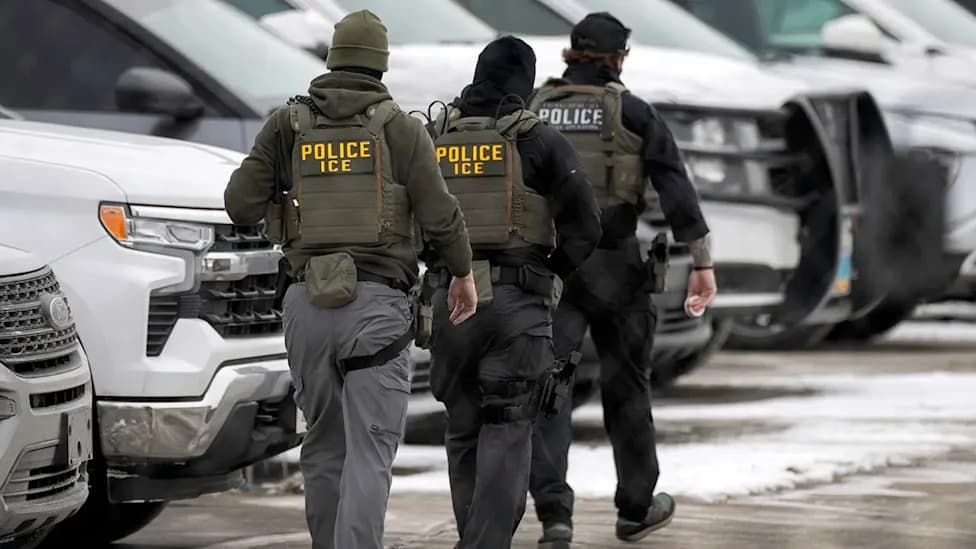
The Department of Homeland Security and ICE issued statements saying the agency was not responsible for Michel’s death. DHS spokesperson Lauren Bis told the AP, "ICE had NOTHING to do with this woman’s death. She passed away THREE days after ICE encountered her." ICE also told Pittsburgh’s Action News 4 that Michel "was released with all of her belongings, including a fully charged phone, in sunny weather in the middle of Pittsburgh, where public transport is readily available."
Those official statements do not directly address concerns about Michel’s condition at the moment of release or the distance between the drop-off location and her home. Family attorneys and local officials say the facts point to neglect.
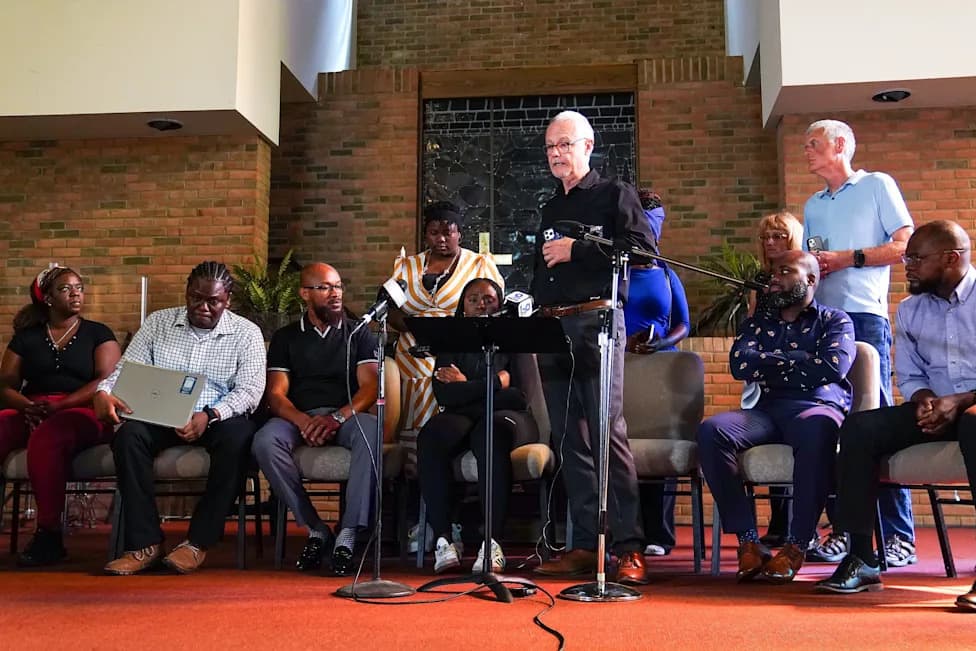
"When you release someone like that that far from home, it’s a recipe for disaster," Murphy told Action News 4. "And don’t forget, these guys have cars. They were perfectly willing to drive down there to pick her up. They could have easily driven her back to Charleroi. It’s like a 40-minute drive. She would have been in her own environment. She wouldn’t have been sitting around a bus stop in September clothes in February, and she’d be alive now."
Allegheny County Executive Sara Innamorato said the death "was a tragedy and appears that with a little humanity, it could have been completely avoidable."
The circumstances are similar to an earlier case this year in which Nurul Amin Shah, a blind asylum seeker, died of hypothermia after being left far from home. That death was also ruled a homicide.
Advocates and observers warn the pattern of such cases highlights risks when vulnerable people with mental health needs or language barriers are released without adequate support or safe transportation. A United Nations-backed report from March by the U.N. Committee on the Elimination of Racial Discrimination cautioned that racist rhetoric from political leaders could increase the risk of human rights abuses in the United States.
What’s Next
Medical findings, family statements and statements from local officials are prompting renewed scrutiny of ICE release practices for people with mental health challenges and language barriers. The case has prompted calls for clearer protocols to ensure vulnerable migrants are not left stranded and at risk of exposure or harm.
Help us improve.