UCLA researchers report that creatine helps power dendritic cells, which direct killer T cells to attack tumors, and that creatine supplementation slowed tumor growth in mice. Similar immune-enhancing effects were observed in human cells in laboratory tests. Published in iScience, the study highlights new roles for creatine metabolism and suggests potential use alongside dendritic cell vaccines and immunotherapies. Clinical trials are planned to test whether supplementation benefits patients receiving immunotherapy.
Could Creatine — the Gym Staple — Help Fight Cancer? UCLA Study Shows Early Promise

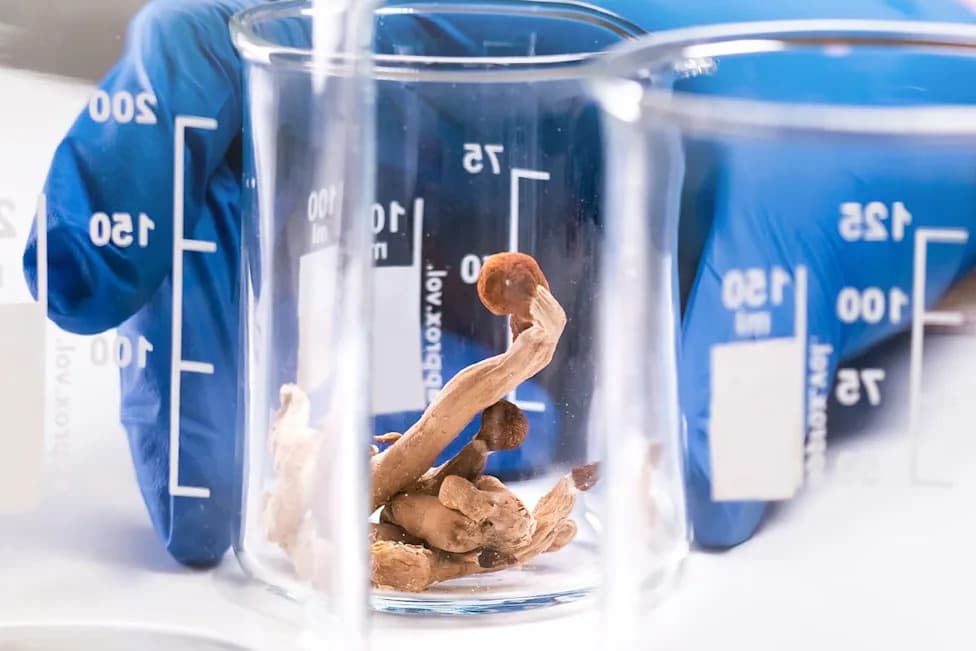
Creatine is best known among body builders and professional athletes who use it to do more reps, however researchers are hopeful it could have an impact in the fight against cancer. Christoph Soeder/dpa
Taken for decades by athletes as a metabolism and energy booster, creatine has increasingly attracted attention for potential benefits beyond the gym — from anti-inflammatory effects to possible cognitive support. New preclinical research from the University of California, Los Angeles (UCLA) suggests creatine may also enhance the immune system’s ability to fight cancer.
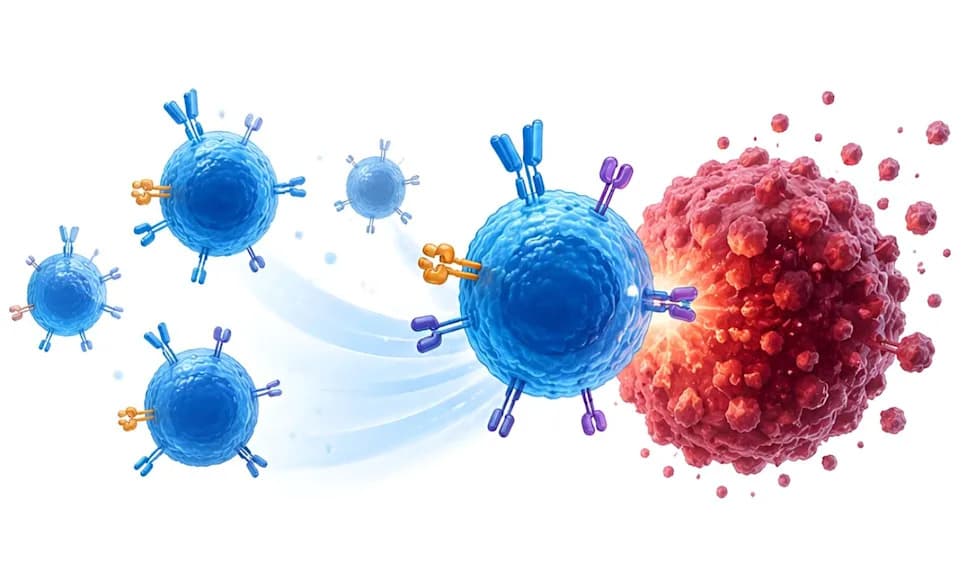
Published in the Cell Press journal iScience, the study reports that creatine helps power dendritic cells, a class of immune cells that “orchestrate” cytotoxic (killer) T cells to recognize and attack tumors. In mouse models, adding creatine supplementation slowed tumor growth significantly and increased both the number and activation state of dendritic cells. The researchers also observed similar enhancements in human immune cells tested in laboratory dishes.
What the Researchers Found
The UCLA team, led by Lili Yang, concluded that creatine metabolism plays a previously underappreciated role in dendritic-cell function. According to the lab, creatine "supercharges a critical class of immune cells that activate and prepare the body's key cancer-fighters." The authors highlight potential applications in dendritic cell–based cancer vaccines and as a complementary strategy alongside existing immunotherapies.
Why This Matters — And Cautions
These results are promising because dendritic cells are central to initiating strong anti-tumor T‑cell responses. Enhancing their energy supply could improve the effectiveness of some immunotherapies or vaccine approaches. However, the findings are currently preclinical: the tumor-slowing results come from mice, and the human data were limited to cells in vitro. Whether oral creatine supplements will produce similar immune benefits in patients is unknown.
“Creatine is a promising supplement to holistically support the immune response that modern immunotherapies depend on,” said Lili Yang, noting her team plans to collaborate with clinicians on clinical trials to test whether creatine supplementation improves outcomes for patients receiving immunotherapy.
About Creatine
Creatine is produced naturally in the liver, kidneys and pancreas from amino acids, then transported to muscles where it helps regenerate cellular energy. It is commonly taken as a powder or pill by athletes, and is also present in protein-rich foods such as meat and seafood. Creatine is not a steroid; its primary role is to support short-burst energy metabolism.
Next Steps
UCLA’s announcement signals plans for clinical research, but larger human trials are required before any recommendations can be made for cancer patients. Important questions remain about effective dosing, timing with immunotherapy, safety in people with different health conditions, and long-term effects. Patients should not self-prescribe creatine as a cancer treatment and should consult their oncologist before adding supplements during cancer care.
Help us improve.