The author, a professor with 15 years of teaching experience, describes how pervasive recording and institutional surveillance have transformed large lecture halls into high-risk spaces for candid discussion. Phone cameras, classroom recording systems and learning platforms can lift remarks out of context, triggering harassment, investigations or job loss and chilling participation — especially for vulnerable students like those with DACA status. The piece argues that clip-ready surveillance flattens nuance and calls for clearer recording boundaries, more small-class instruction, and a rethink of phones and cameras on campus.
After 15 Years Teaching, I’m Afraid in the Classroom — When Surveillance Turns Lessons Into Clips

I walk into a tiered lecture hall that holds nearly a thousand students and do something I never used to: I watch the shadows. It’s the first day of class and 971 students are enrolled. Balconies melt into dimness, and I scan the room for faces and blind spots the way a teacher once scanned for attendance.
Concealed carry is legal in Wisconsin, but my primary fear is not of gun violence. It’s that something I say will be recorded, clipped, and redistributed without context — by a phone, by a camera at the back of the hall, or by systems built into classroom consoles. A single short clip can travel far and fast, reaching strangers who will judge and act on that fragment long before I can explain or respond.
The consequences are real: coordinated harassment or doxxing, formal complaints and investigations, even job loss. Colleagues and I have watched versions of this play out. What once felt like a creative, trust-based space — where students read, argued, misunderstood and revised — now exists under a low-level, constant pressure: everything here might also be happening online, scrubbed of context and reshaped for other audiences.
High-stakes topics become especially vulnerable. When we teach race, gender, religion or inequality, nearly any phrase can be clipped and weaponized. Critics on the right argue some subjects shouldn’t be taught at all; others demand they be taught without nuance. Both extremes squeeze out the open inquiry that higher education should protect.
I’ve seen my name reduced to anonymous blurbs on review sites — “out of touch,” “assigns too much reading,” “avoid this instructor.” Sometimes critiques fixate on appearance; other times they escalate. A colleague once called to say my name was trending after someone accused me of telling students they “live on stolen land” — a reference to a standard land acknowledgment I had included. A dean once summoned me over an alleged offensive word I hadn’t used except as a quotation from a note left for me.
Universities have also expanded monitoring. Class sessions can be recorded from classroom consoles; students’ assignments are time-stamped and archived; learning platforms such as Canvas log activity so granularly that a lawsuit described them as creating “intimate dossiers” of behavior. On paper, these tools support learning. In practice, they feed a sense that every interaction is tracked and potentially retrievable.
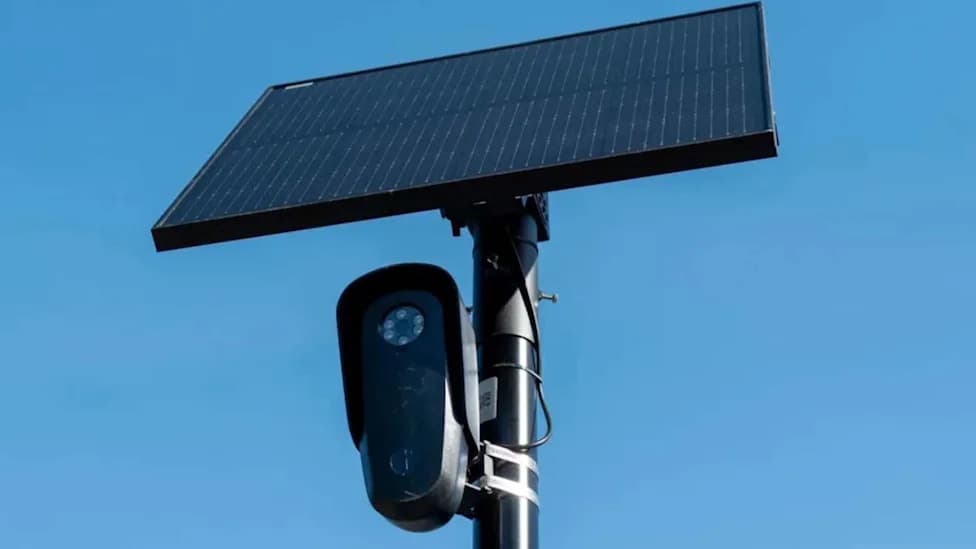
Surveillance spills off campus, too. My university uses vehicle cameras and third-party services; some law enforcement entities can access that data. Requests for simple signage to warn people they’re being recorded have sometimes been denied. Monitoring has become normalized while meaningful oversight has receded.
Students face the biggest stakes. Those with immigrant backgrounds or DACA status must consider legal and safety consequences before speaking. Imagine deciding whether to voice an idea in a 900-person lecture while weighing not just how your peers will react but how a recording of your words might travel and who might see it. Those calculations change what gets said — and often whether anything is said at all.
As an anthropologist, I teach that context and contradiction are central to understanding human life. An educated person, I tell students, can live with paradox. But clip-able, decontextualized fragments flatten nuance into easily judged positions. Discussion becomes declaration; an example becomes endorsement; a question becomes a risk. The classroom shifts from a space for exploration to a stage for performance.
Small seminars can still nurture trust, but those formats are increasingly rare and expensive to maintain. Meanwhile universities spend heavily on infrastructure: on average more than $1.6 million a year on learning management systems, plus tens of thousands monthly on surveillance hardware and software. The surveillance company my university uses, Flock Safety, is valued at $8.4 billion; Canvas Instructure is valued at $4.8 billion. Shareholders profit from students’ and professors’ data even as open discussion narrows.
By semester’s end, the lecture hall looks different: only a fraction of enrolled students attend in person; others stream my lectures from dorms. The balcony seems empty, but I still glance up. Doors stay open. Anyone can walk in. Anyone can record.
What troubles me most is not a person hiding in the shadows but what gets killed when teaching is reduced to a clip: nuance, complexity and the messy, evolving ideas that education exists to produce. A few seconds of video can travel widely while carrying almost none of the context that gives it meaning.
In a better world, universities would draw clearer boundaries around what should and should not be recorded and would invest more in small-class, seminar-style teaching. We would rethink the role of phones, cameras, and commercial platforms in academic spaces. For now, like my students, I must live with the paradox: a classroom should be a place to think out loud, yet nearly everything said there can be shared and judged elsewhere. My work now includes naming that tension and teaching through it.
Author note: Amy E. Stambach is a professor of Anthropology at the University of Wisconsin–Madison, where she studies education, democracy, and global governance. A former policy fellow with the U.S. Senate and USAID, she writes about higher education and democratic life. Her work has appeared in The Hill, Times Higher Education, The Conversation, The Fulcrum and Common Dreams. She is the author of several books, including The Corporate Alibi.
Help us improve.