Sen. Rick Scott attributed decades of congressional deficit spending to sharp increases in healthcare and other costs, tweeting that family healthcare has risen from about $700 a year 50 years ago to more than $25,000 today. Other Republicans including Sen. Rand Paul have pushed for rescission packages and spending rollbacks, while Democrats such as Gov. J.B. Pritzker and Hillary Clinton criticized the administration's priorities and warned about rising living costs. The administration's fiscal 2027 proposal calls for a roughly 44% rise in defense spending to $1.5 trillion and a 10% cut to non‑defense programs, a trade‑off officials say is aimed at strengthening national security.
Rick Scott Blames Decades Of Deficit Spending For Soaring Healthcare Costs: 'Working Families Pay The Price'
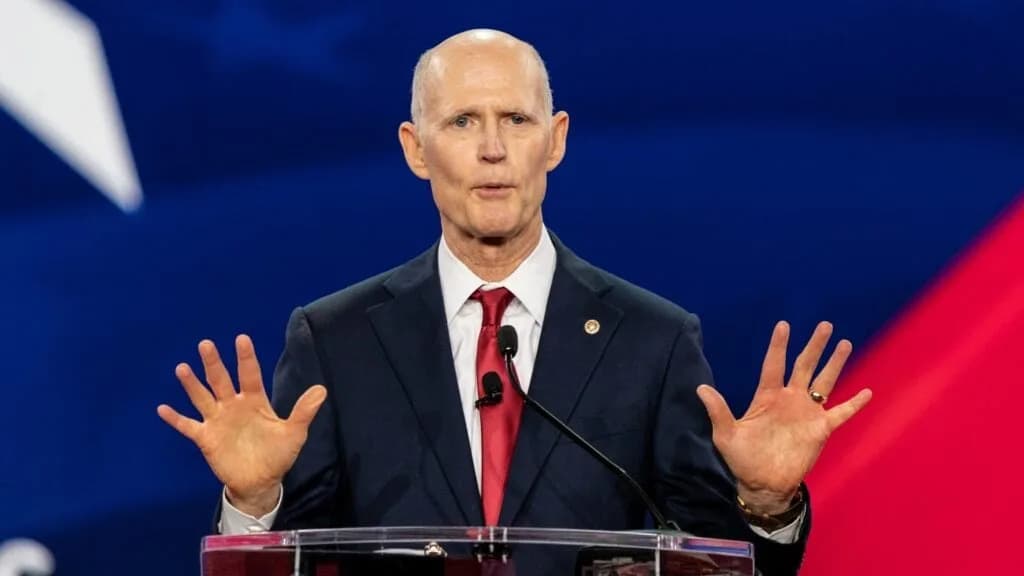
Rick Scott Blames Congress' Deficit Spending For Soaring Healthcare Costs: 'Working Families Pay The Price'
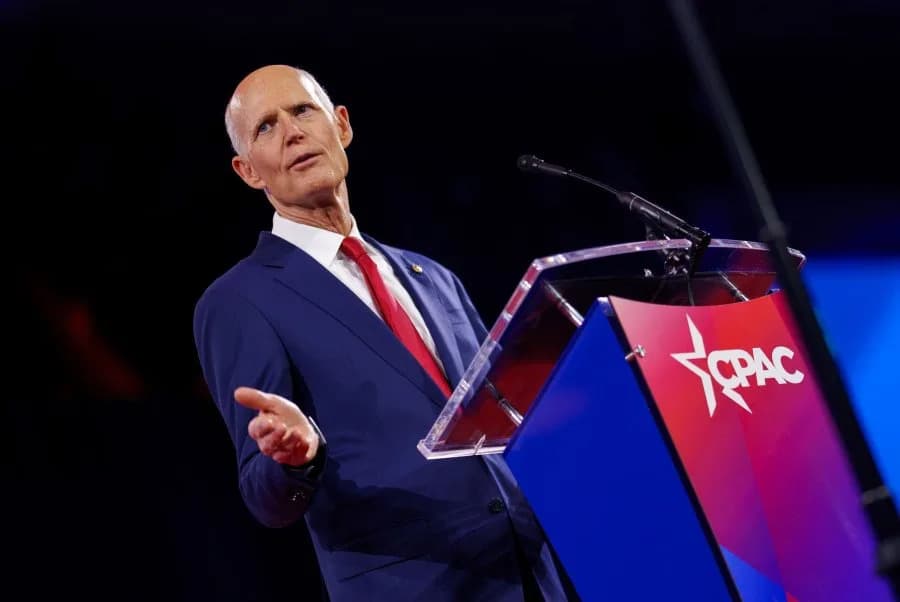
Senator Rick Scott (R‑Fla.) said on Wednesday that decades of federal deficit spending have driven up the cost of healthcare and other everyday essentials, placing an increasing burden on working families.
In a post on X on June 10, 2026, Scott contrasted historical and current outlays for a typical family: "50 years ago: Healthcare was about $700 a year for a family of four. Now: It's over $25,000." He also said the prices of cars, houses and the cost of starting a business have risen sharply.
"50 years ago: Healthcare was about $700 a year for a family of four. Now: It's over $25,000. Cars cost more. Houses cost more. Starting a business costs more. You name it. Why? Because CONGRESS keeps spending money we don't have and working families pay the price." — Rick Scott (@SenRickScott), June 10, 2026
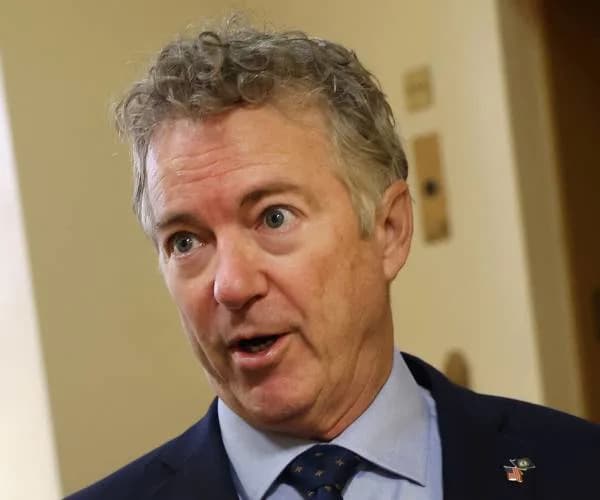
Other Republican lawmakers have echoed concerns about federal spending. Earlier this month, Senator Rand Paul (R‑Ky.) urged Congress to pass additional rescission packages after backing President Donald Trump's $9.4 billion rollback proposal, arguing lawmakers must cut waste and rein in spending.
Critics on the left have framed the debate differently. Illinois Governor J.B. Pritzker (D‑Ill.) criticized proposed cuts to programs such as Medicaid and SNAP, saying they contrast sharply with funding priorities tied to the president. Former Secretary of State Hillary Clinton warned that rising costs could leave many Americans struggling to afford basics like gasoline and groceries before the end of the current administration's term.
The administration's fiscal 2027 budget, released in April, would increase defense spending by roughly 44% to about $1.5 trillion while cutting non‑defense programs by about 10%. Administration officials say the package is intended to strengthen national security and preserve U.S. military dominance; opponents say it shifts the policy burden onto domestic programs and vulnerable households.
President Trump has long emphasized borrowing as a financing tool — during his 2016 campaign he called himself the "king of debt," arguing that strategic borrowing has let him finance large real‑estate investments and offered flexibility in both strong and weak economic cycles.
Why This Matters
The dispute highlights competing views about the drivers of inflation and the proper role of federal spending: some Republicans point to long-term deficits and government spending choices as key inflation drivers, while many Democrats and progressive critics emphasize policy priorities, program cuts, and the distributional impact of budget choices.
Sponsored Content
This article originally appeared on Benzinga and included sponsored investment and product blurbs. That material has been condensed here into a brief note. Readers should treat sponsored content as marketing and seek independent financial advice before investing.
Photo courtesy: lev radin / Shutterstock.com
Help us improve.