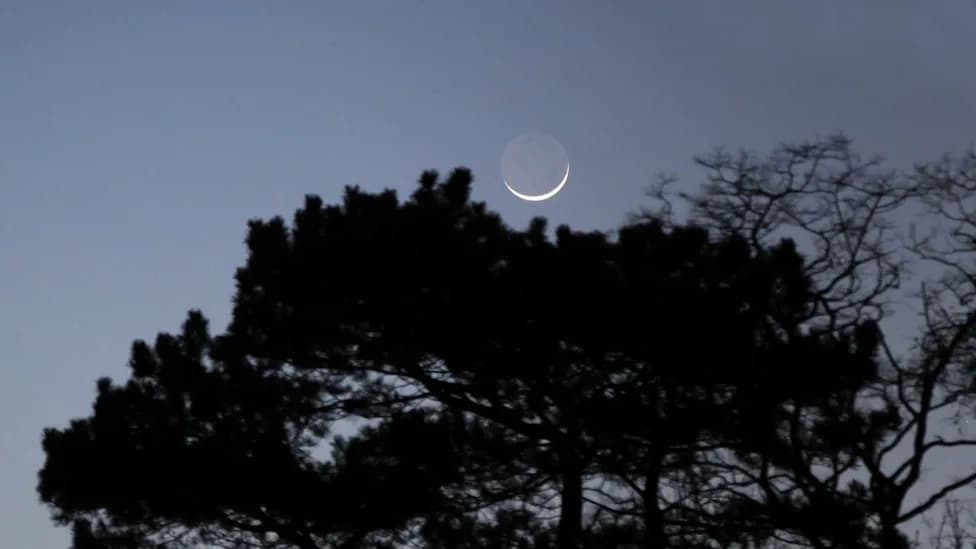
The planets Venus, Jupiter and Mercury will cluster above the western horizon on the evening of June 12. The best time to look is about 30 minutes after sunset, with Jupiter and Mercury visible for roughly 30–45 minutes. Venus will be the brightest and easiest to spot low in the west, while Mercury will be closest to the horizon and the trickiest to see. Bring binoculars and an unobstructed western horizon for the best chance to catch the display.
Tonight’s Planetary Parade: Venus, Jupiter and Mercury Line Up Over the West
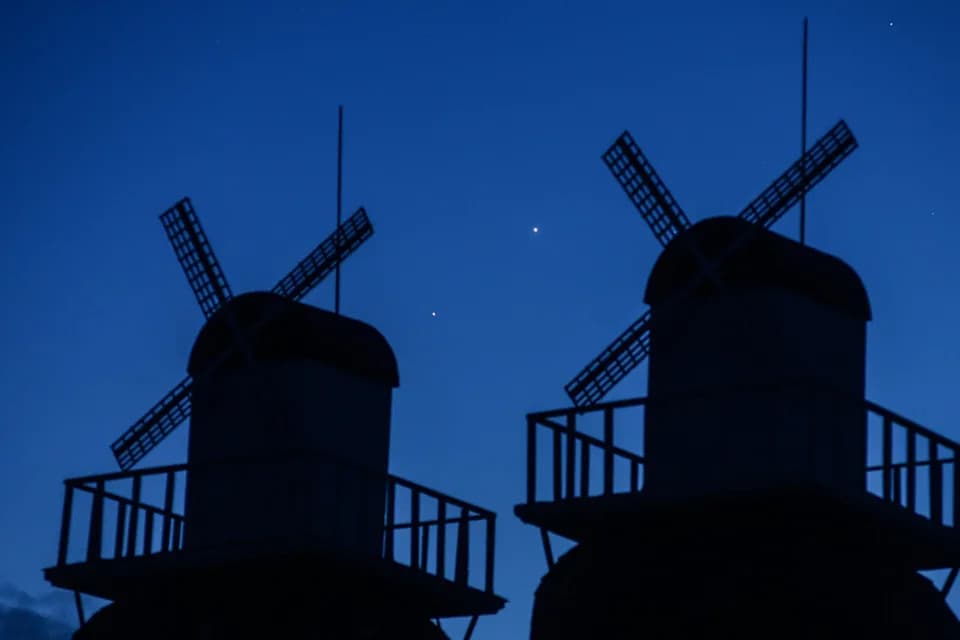
This photo taken on June 9, 2026 shows the conjunction of Jupiter and Venus in the sky over the Yabuli Ski Resort in Yabuli, northeast China's Heilongjiang Province.(Getty Images)
Look up after sunset on the evening of June 12 — Venus, Jupiter and Mercury will form a brief, striking grouping above the western horizon that skywatchers across the United States can see.
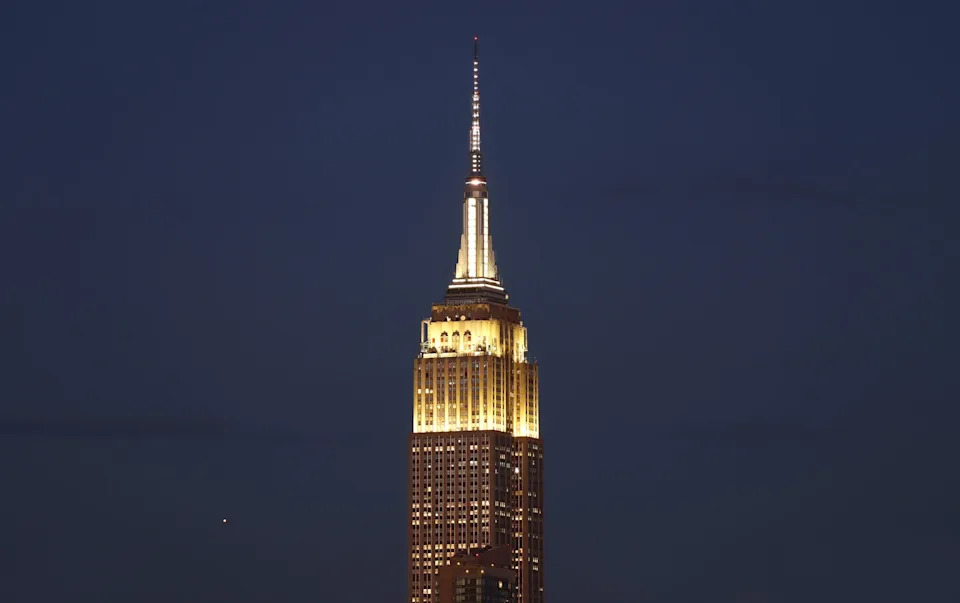
Jupiter rises behind the Empire State Building in New York City in opposition to the sun as it makes its closest approach to the Earth since 1963 at a distance of 367 million miles on September 26, 2022, as seen from Hoboken, New Jersey.
When And Where To Look
According to Space.com, the optimal viewing window is about 30 minutes after sunset. Jupiter and Mercury will remain visible for roughly 30–45 minutes before they sink below the western horizon along with the Sun. Venus will be the brightest and most prominent of the three, visible low in the west even before full twilight.
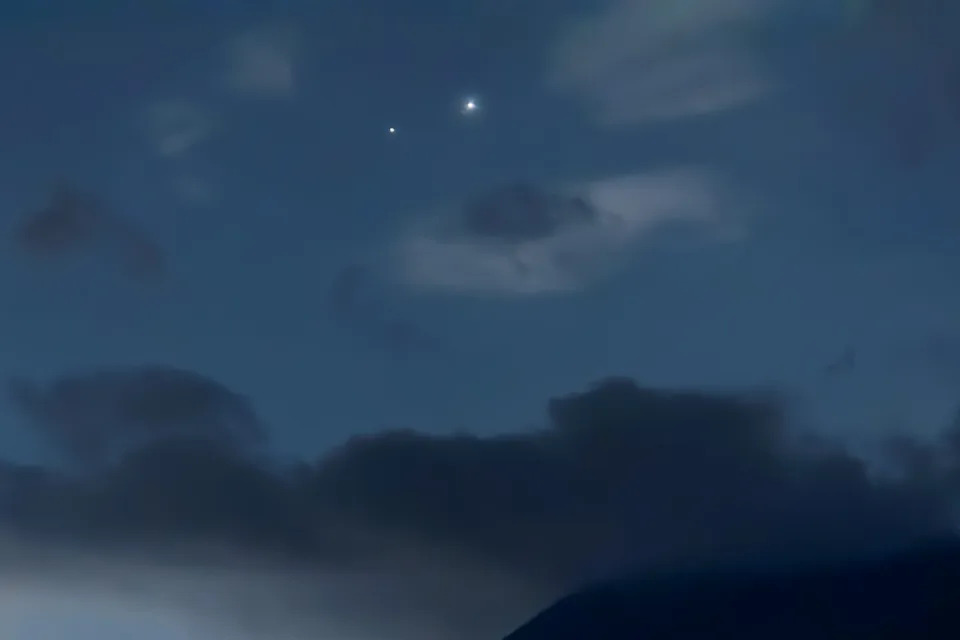
Venus and Jupiter appear close together above clouds and mountain ridges in the evening sky in Shenzhen, Guangdong Province, China, on June 9, 2026. The Venus-Jupiter conjunction reached its peak visibility on June 8 and 9, with the two brightest planets in the night sky appearing only about 1.5 degrees apart, making it one of the most notable astronomical events visible to the naked eye in 2026.
What To Expect
Of the three planets, Venus will be easiest to spot. Mercury will be the most challenging: it hugs the horizon and drops quickly after sunset. Jupiter will be visible but, like Mercury, will disappear from view fairly soon as twilight deepens.
Viewing Tips
- Find an open view of the western horizon with as little light pollution and obstruction as possible.
- Arrive a few minutes before the 30-minute-after-sunset mark so you don’t miss the peak alignment.
- Use binoculars to help spot Mercury low on the horizon if it’s faint or atmospheric haze is present.
- Check local sunset times to calculate the best viewing window for your location.
This small planetary parade follows a close pairing of Venus and Jupiter observed on June 9, making it a lively week for amateur astronomers and casual skywatchers alike. If you’re heading out for a sunset cruise or evening plans, take a moment to look west — you might catch the show.
Help us improve.