The wreck believed to be the Japanese "Hellship" Hōfuku Maru has likely been located off Zambales province in the Philippines after more than 80 years. Archival research in both American and Japanese records prompted a focused search that used sonar and deepwater dives to verify an uncharted wreck whose structure and two-part break match historical descriptions. Divers also found human remains at the site. Discovery’s two-part Expedition Unknown will present the research and findings on June 24.
Long-Lost WWII 'Hellship' Hōfuku Maru Likely Found Off Philippines After 80+ Years
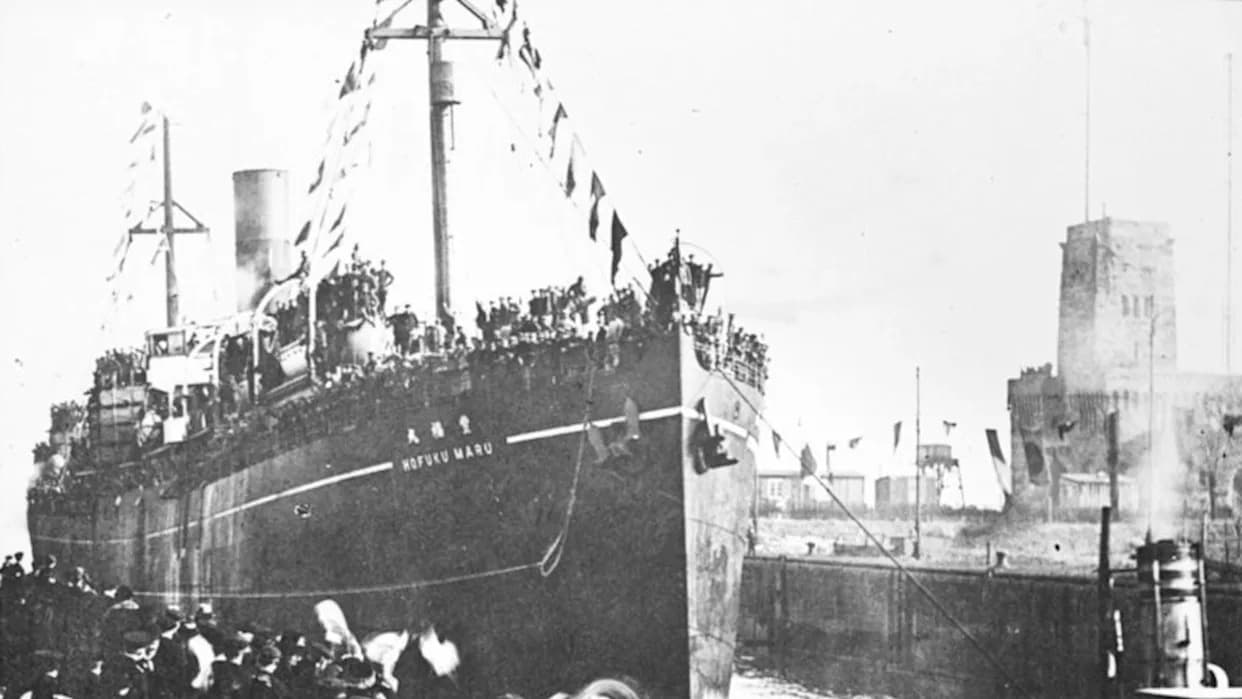
The freighter 'Hōfuku Maru,' which was converted into a Hellship by the Japanese Navy during WWII, and was sunk with over 1,200 Allied POWs aboard.
After more than eight decades, marine archaeologists, historians and explorers believe they have located the wreck of the Japanese freighter Hōfuku Maru off the western coast of the Philippines’ Zambales province. The vessel is thought to be one of the notorious World War II "Hellships" used to transport Allied prisoners of war under brutal conditions.
"Hellships" were merchant vessels requisitioned by the Imperial Japanese Navy to move Allied POWs. Prisoners endured thirst, extreme heat, beatings and executions, and many were also killed when Allied forces unknowingly attacked convoys that carried them. Historians estimate that roughly 20,000 of more than 125,000 Allied prisoners transported on Hellships died during those voyages.
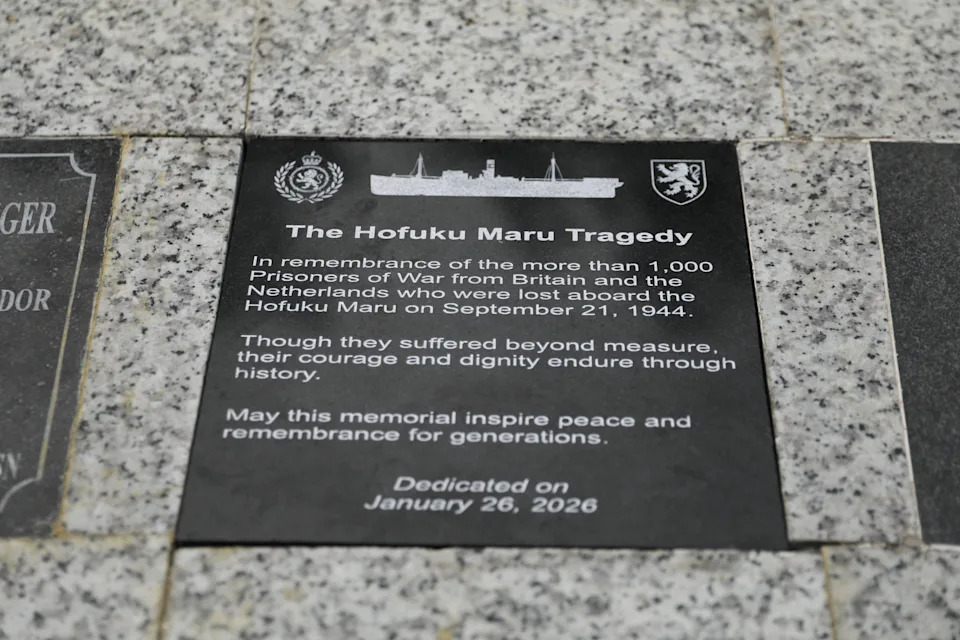
Plaque dedicated to the POWs who died aboard the Hōfuku Maru from the Hellships Memorial, Subic Bay, Philippines.Image: Discovery’s Expedition Unknown.
Documents uncovered by the Hellships Memorial Foundation in both American and Japanese archives indicated that the Hōfuku Maru sank in a location more than 30 miles from where researchers had long assumed. "We were absolutely stunned that Japanese sources had information on where the convoy was attacked and what ships were hit — this was a smoking gun," said retired naval officer and foundation founder Randy Anderson.
That lead prompted a targeted expedition. Imaging specialist Evan Kovacs used sonar to detect an uncharted wreck in the revised search area. A team that included maritime archaeologist Calvin Mires and TV presenter-explorer Josh Gates conducted deepwater dives that identified structural features consistent with the Hōfuku Maru and recovered human remains at the site.
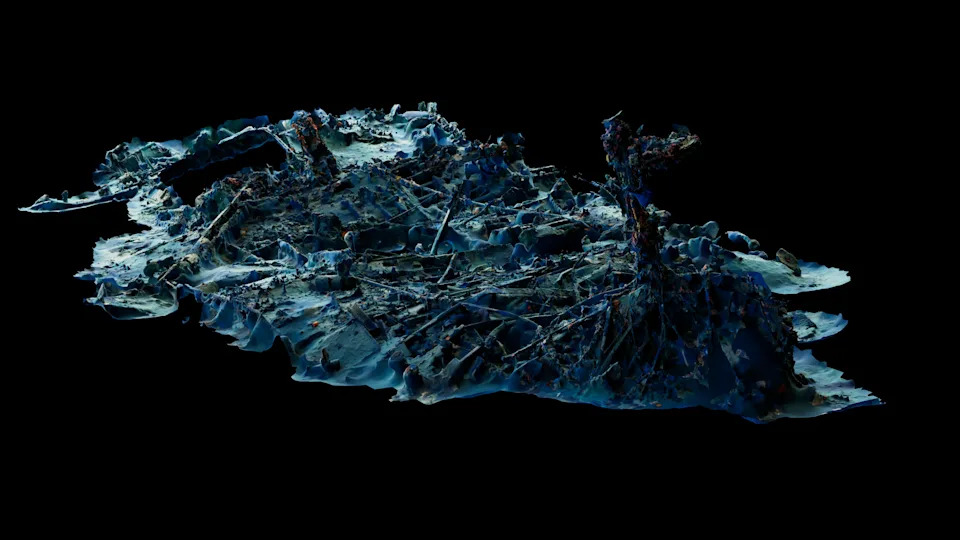
Photogrammetry of the wreck newly identified as theHōfuku Maru.Image: EvanKovacs, Marine Imaging Technologies, LLC
Evidence Pointing to Hōfuku Maru
Investigators say multiple lines of evidence support the identification:
- Structural elements match the ship's blueprints and design features.
- The wreck is broken into two main sections, consistent with both American and Japanese wartime accounts.
- The wreck lies beneath more than 160 feet of water, at the depth reported by archival sources.
"The pieces all fit. The vessel is the right size, in the right place and from the correct period. I am convinced this is the Hōfuku Maru," said Tim Beckensall, a researcher with the Hellships Memorial Foundation.
On 21 September 1944 the Hōfuku Maru reportedly sank in under three minutes, with more than 1,000 Allied servicemen — many British and Dutch prisoners — on board. The wreck's likely identification may bring new historical clarity and, for some families, a measure of closure.
The discovery and its context are presented in a two-part premiere of Discovery's Expedition Unknown, scheduled to air on June 24. "The story of the Hellships is a chapter in the history of WWII that demands to be brought to light," said Josh Gates. "It’s a privilege to work alongside the Hellships Memorial Foundation to honor their memories; they are lost no more."
Note on Sensitivity: Human remains were reported at the site. Investigators and local authorities continue to handle the site with respect, following applicable legal and ethical protocols.
Help us improve.