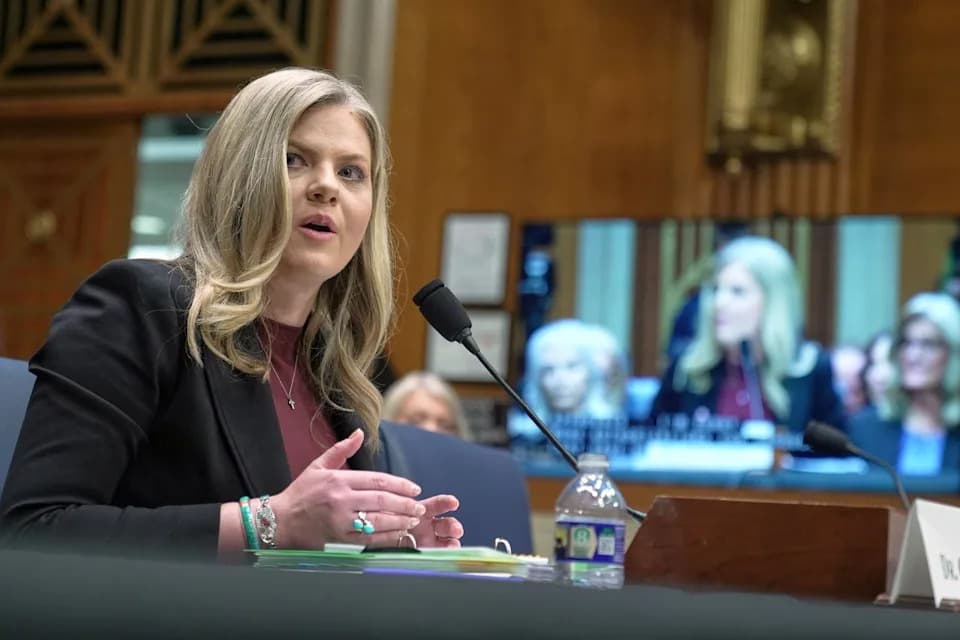
San Francisco Unified Superintendent Maria Su declined to answer several direct questions during a congressional hearing about disputed district materials and guidance. The district is reportedly under Department of Justice review for possible circumvention of parental notification rules. District data show 53% proficiency in language arts and 46% in math, while reports indicate about 30% of students identify as queer or questioning and 6% as transgender or gender-questioning. Critics say the episode underscores tensions over classroom priorities and parental trust.
San Francisco Schools Chief Criticized After Unsteady Congressional Hearing

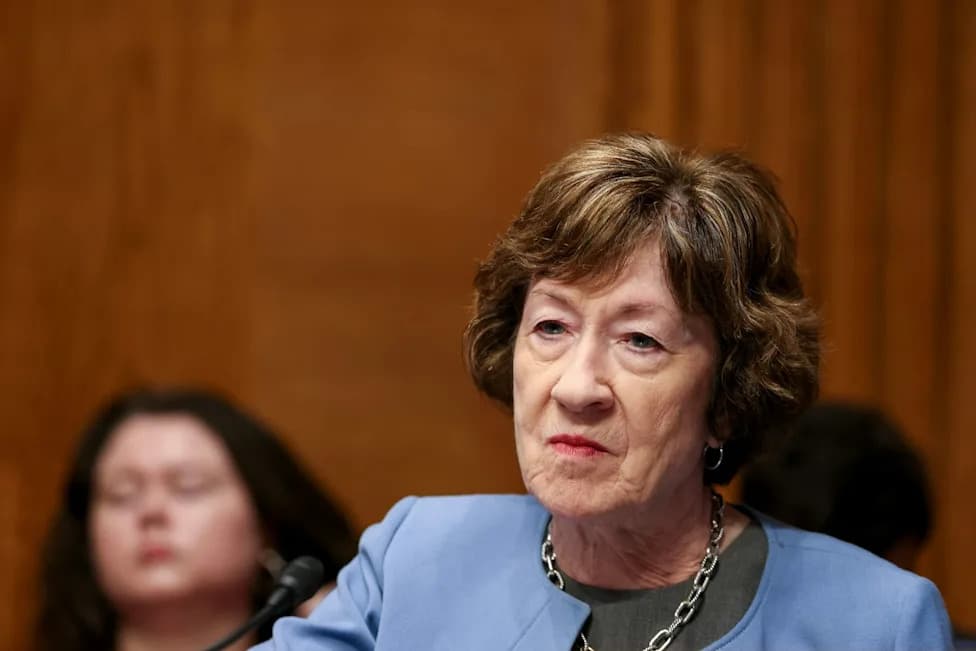
San Francisco Unified School District Superintendent Maria Su faced intense questioning this week before the U.S. House Committee on Education and the Workforce and drew sharp scrutiny for repeatedly declining to provide direct answers about several controversial district policies.
What Happened At The Hearing
Committee members pressed Su on whether district materials compared parents who opposed COVID-era school mandates to white families who left desegregated schools in the 1960s; whether guidance equated refusing to use a transgender student's preferred pronouns with physical assault; and whether biological males should be permitted in girls' locker rooms. Su did not provide clear, on-the-record answers to those questions, prompting critics to say she was unprepared or unwilling to defend district decisions on a national stage.

San Francisco Unified’s superintendent was among the woke school brass quizzed by a congressional committee this week. Shutterstock / New Africa
Broader Concerns And Investigations
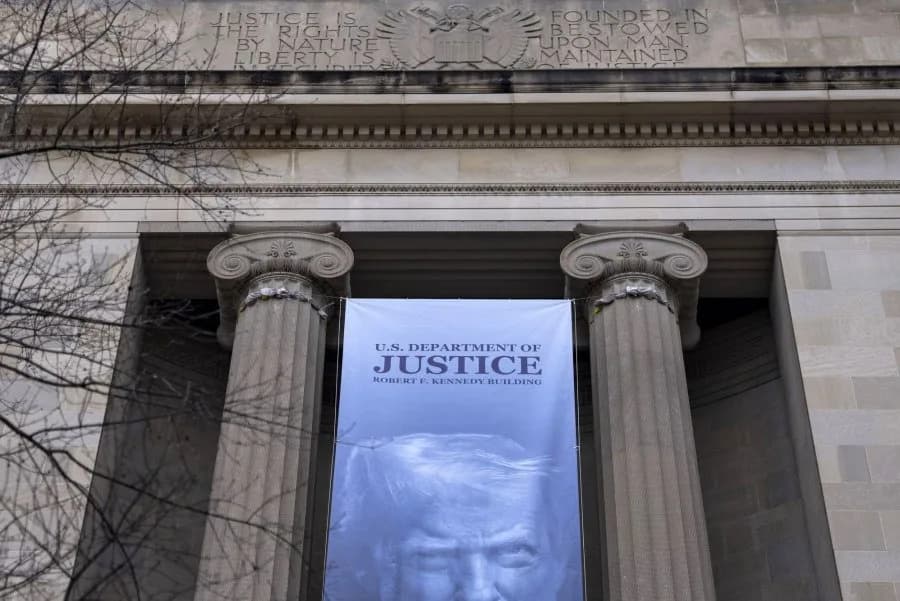
Separately, the district is among several nationwide that the Department of Justice has reportedly reviewed for possible circumvention of parental notification and opt-out requirements for sensitive instruction. Observers and parents have asked whether legal constraints, ongoing inquiries, or policy decisions limited Su’s ability to answer.
Academic Outcomes And Demographics
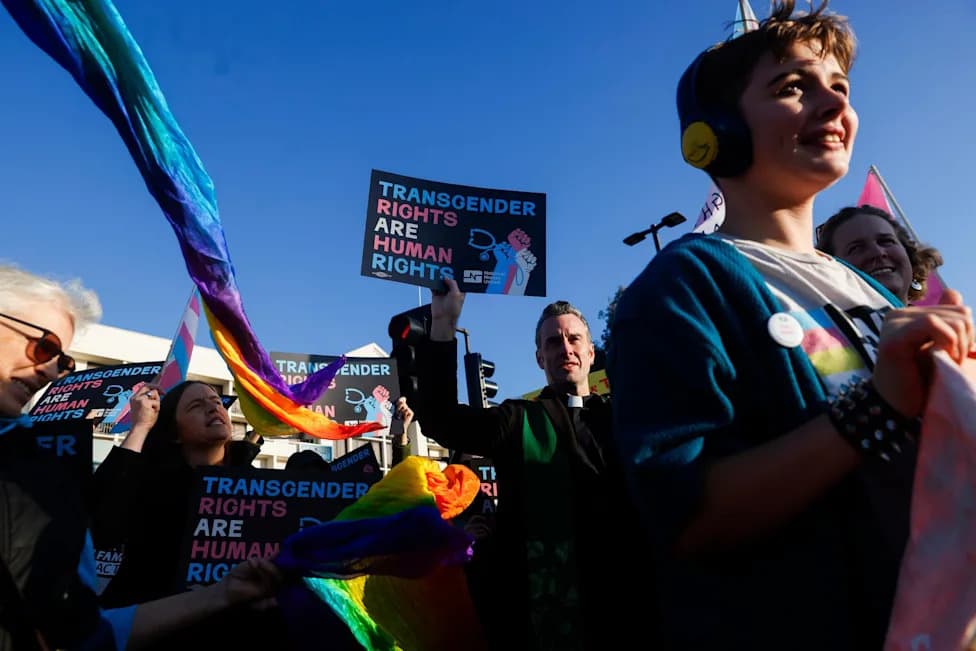
Context for the debate includes district data showing 53% proficiency in language arts and 46% proficiency in mathematics (October data). A district report cited that roughly 30% of students identify as queer or questioning and about 6% identify as transgender or "gender questioning." Critics highlighted a presenter listing pronouns as "She/Ella/Meow" when asking whether refusal to use an indicated pronoun could be treated as comparable to physical violence.
Voices From Both Sides
Supporters of inclusive policies say schools must protect and affirm students who are LGBTQ+ and provide safe learning environments. Critics counter that time spent on social or ideological topics should not displace core academic instruction such as science, literature, and financial literacy. Many parents expressed frustration that the hearing produced few substantive explanations from district leadership.
Bottom Line: The hearing raised questions about transparency, district priorities, and the balance between supporting vulnerable students and maintaining academic focus. Further review and clearer communication from district leaders will be needed to address parental concerns and any pending legal inquiries.
Help us improve.