The Triangle of Death — the farmland triangle anchored by Mahmudiyah, Yusufiyah and Iskandariyah south of Baghdad — became one of the Iraq War's deadliest theaters because of its terrain, its position on a major supply route and looted munitions. From intense insurgent attacks and high-profile atrocities in 2004–2007, violence fell after the 2007 Surge, the Sunni Awakening and a Mahdi Army stand-down. The area later fell to ISIS in 2014, was retaken and transformed into a militia-held zone, and remained strategically contested through U.S. strikes in 2024.
Iraq's 'Triangle of Death': How Geography, Looted Munitions and Local Politics Made It Deadly — And Why It Still Matters
(Mehdi Fedouach/AFP via Getty Images)
The road south from Baghdad never announced itself as a battlefield; at first glance it looked like ordinary farmland. Canals threaded between palm groves, wheat and date plots tilled by families, and the Euphrates curved along the southwest edge. Yet between 2004 and 2007 those canal roads concealed a lethal reality: the area anchored by Mahmudiyah, Yusufiyah and Iskandariyah became known to U.S. forces as the Triangle of Death.
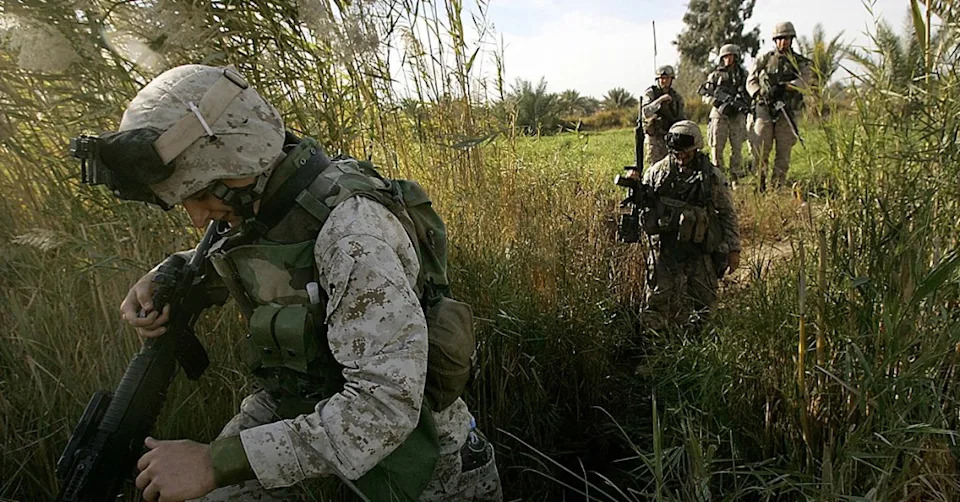
U.S. marines pass a canal while on patrol at dusk in the central Iraqi city of Mahmudiyah, south of Baghdad, December 2004. (Odd Andersen/AFP via Getty Images)
Why the Triangle Became So Dangerous
Geography did much of the insurgency's work. The Triangle sat astride the coalition's primary supply route south from Baghdad, meaning fuel, ammunition, food and troops all traveled through its narrow corridors. Roughly a million people lived there, predominantly Sunni, in farmland broken by irrigation ditches and dense groves that provided cover for fighters, weapons caches and mortar teams. That terrain offered easy concealment, multiple escape routes and areas patrols could not clear or satellites could not penetrate.
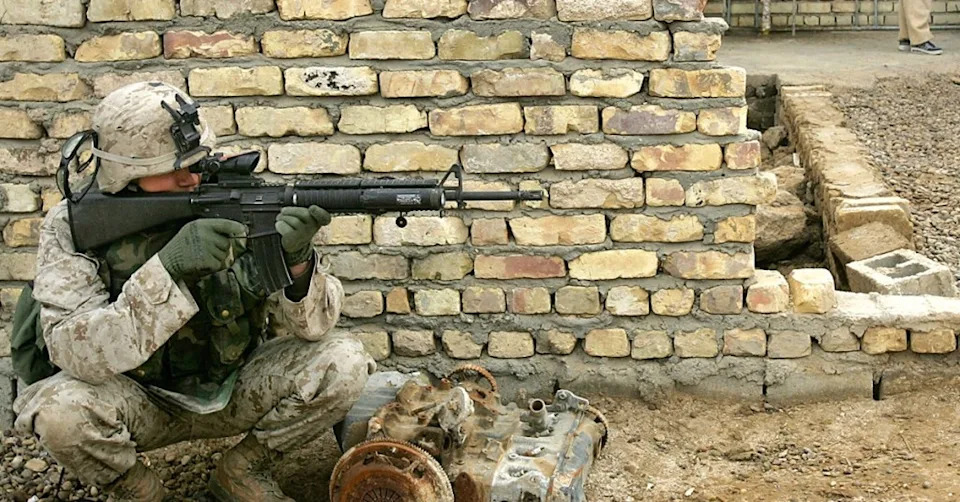
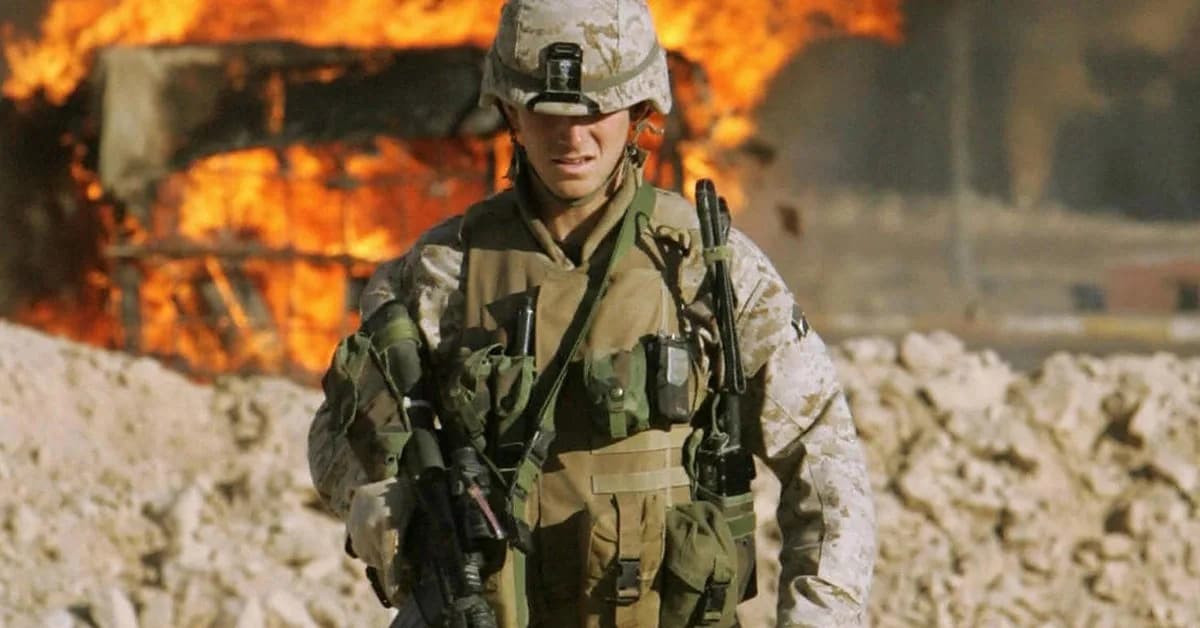
A U.S. Marine patrolling the Iraqi city of Yusufiyah, south of Baghdad, December 2004. The city is in the insurgent heartland called the “Triangle of Death.” Marines did daily foot patrols to try to secure the area. (Odd Andersen/AFP via Getty Images)
Insurgency, Looted Munitions and Local Grievances
The collapse of Saddam Hussein's regime and the policy of de-Baathification left many trained, armed and suddenly unemployed men—an ideal recruiting pool for insurgents. More dangerous still, the region had been home to parts of Saddam's military-industrial complex, including the Al Qa'qa'a munitions complex, the al-Musayyib ammunition depot and related facilities. International inspectors later documented that hundreds of tons of explosives went missing from Al Qa'qa'a after the invasion, dispersing ordnance across the country and into insurgent hands.
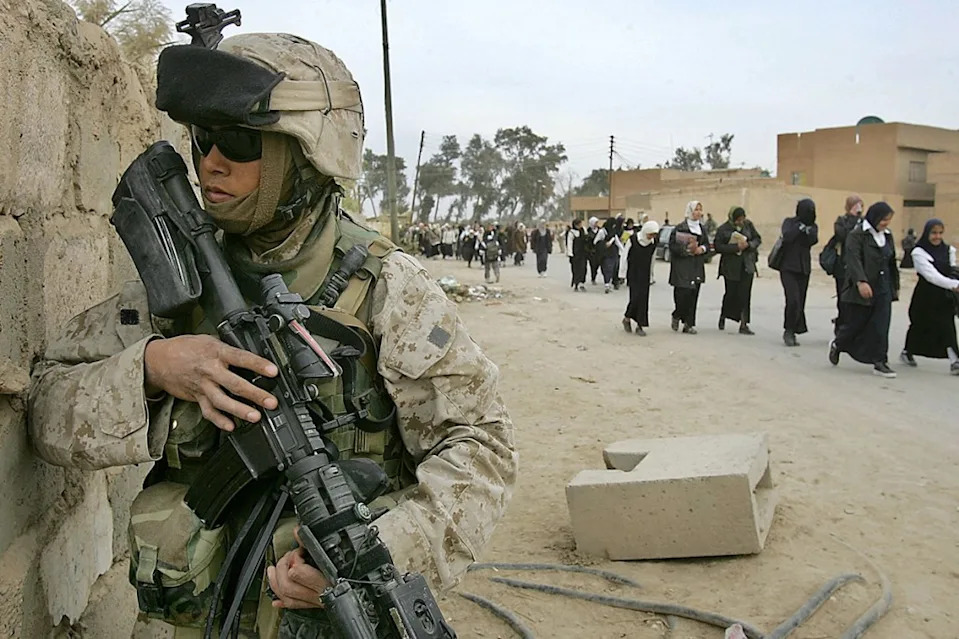
US Marines patrol Yusufiyah, south of Baghdad in December 2004, as a group of schoolgirls make their way home. (Odd Andersen/AFP via Getty Images)
By late 2004, Abu Musab al-Zarqawi's network and affiliated groups pushed into villages across the Triangle, embedding among civilians and using small, mobile cells that could strike and melt away before units could respond.
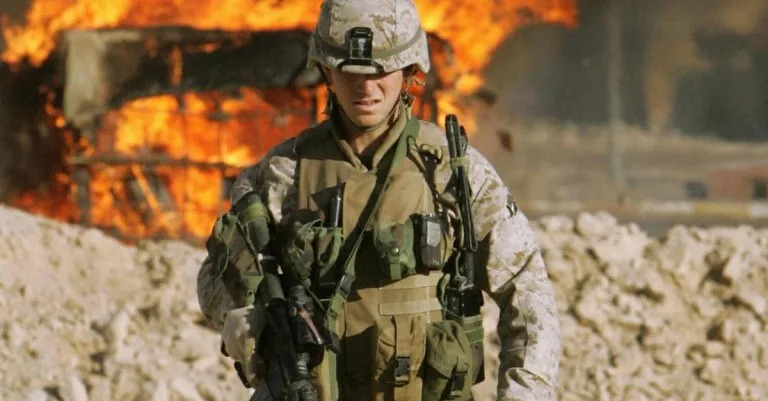
triangle of death marine getty
Human Cost and Notorious Crimes
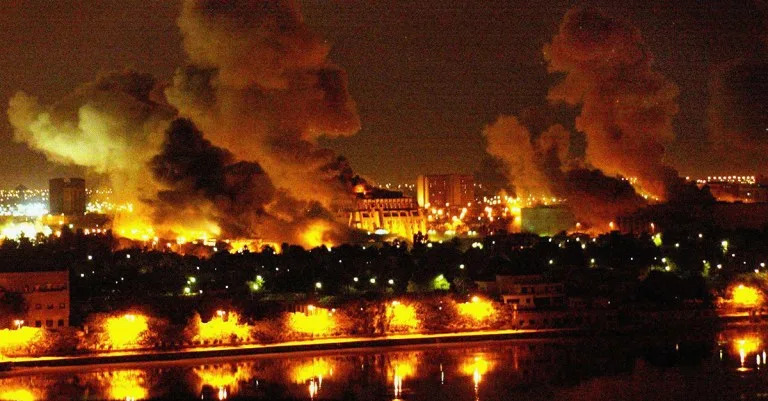
The toll on American forces was relentless. High-profile attacks and ambushes killed and captured U.S. soldiers in 2006, and several remains were recovered later from canal roads or the Euphrates. On Feb. 28, 2005, a suicide bomber struck a crowd of police and government-job recruits near Hillah, killing around 125 people; in July 2005 an attack in Musayyib killed about 98.
Operation Iraqi Freedom
The region also carries the stain of heinous crimes by U.S. service members. Members of the 101st Airborne's 502nd Infantry Regiment raped and murdered 14-year-old Abeer Qassim al-Janabi and killed her mother, father and six-year-old sister in their Yusufiyah home. The case resulted in federal convictions and a life sentence and remains among the darkest acts committed by American troops during the war.
Why Saddam Hussein’s Fedayeen troops wore Darth Vader helmets
The Turning Point: Surge, Awakening and a Mahdi Army Stand-Down
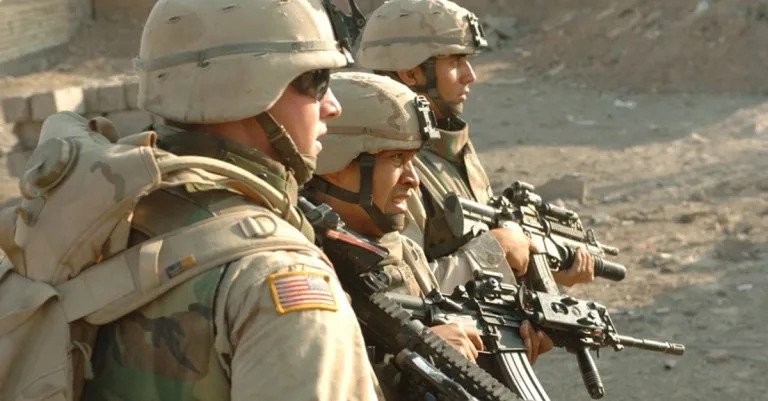
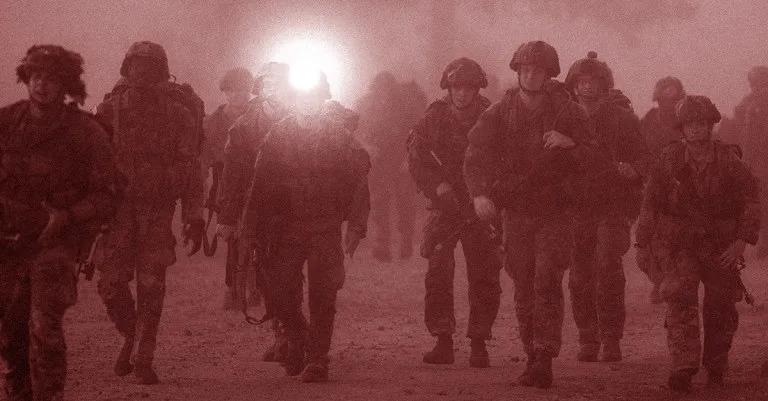
What finally broke the Triangle was not a single action but the convergence of several forces. In January 2007 the U.S. Surge, led by Gen. David Petraeus, shifted doctrine toward protecting the population and putting troops into towns rather than operating only from large bases. The Multi-National Division-Center and brigades of the 3rd Infantry Division established patrol bases and long, grinding tours that kept pressure on insurgents.
ripit fueled Iraq fallujah army
Locally, many Sunni fighters were rebranded as Sons of Iraq and allied with U.S. forces in what became part of the wider Sunni Awakening, turning on al-Qaeda affiliates in their communities. On the Shia side, Muqtada al-Sadr ordered the Mahdi Army to stand down in August 2007 and extended that pause into 2008. Layered together, the Surge, the Awakening and the Mahdi Army ceasefire sharply reduced attacks in 2007 and quieted some of Iraq's deadliest ground.
An army unit deployed remembering RED friday
Post-2011: ISIS, Militias and Enduring Strategic Value
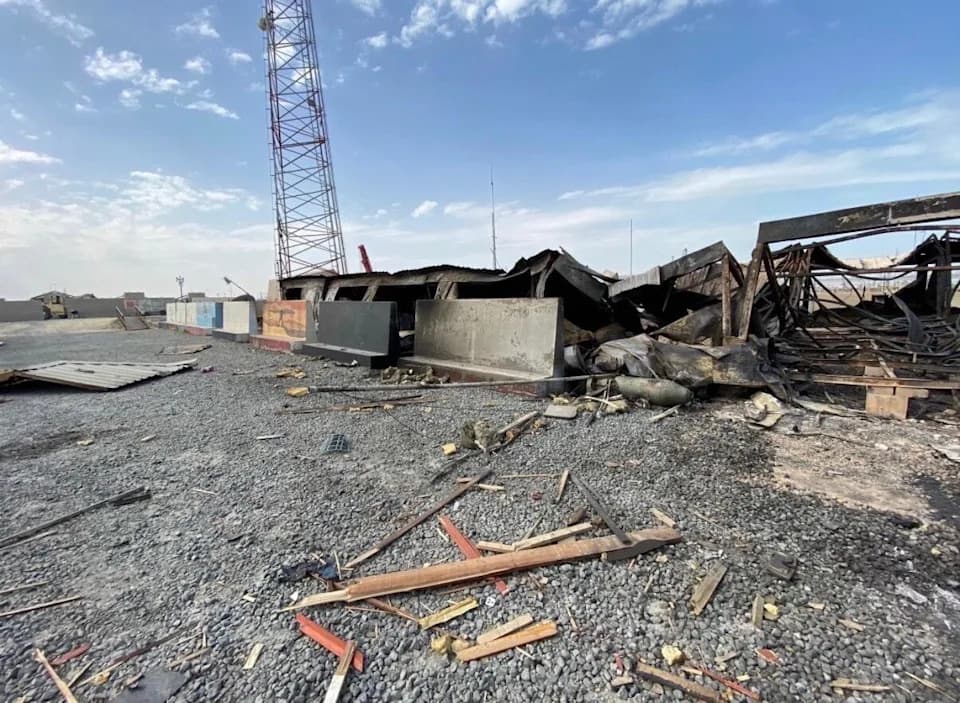
U.S. forces withdrew by the end of 2011, but the Triangle did not remain peaceful. In 2014 the Islamic State captured Jurf al-Sakhar, taking control of bridges and canal roads that had been scenes of earlier violence. Iraqi government forces and Iranian-backed Popular Mobilization Forces retook the town on Oct. 24, 2014, and the provincial council renamed it Jurf al-Nasr, 'Victory Bank.'
Rather than reopening to displaced residents, the town became a closed military zone under the control of Kataib Hezbollah, an Iranian-aligned militia. Some 100,000 mostly Sunni residents—many from the al-Janabi tribe—were barred from returning for years. The area remained strategically important: U.S. forces conducted strikes on Kataib Hezbollah positions there in January 2024 and again during heightened Israel–Iran tensions.
Conclusion
The same channels, groves and roads that made the Triangle of Death lethal during the American occupation are the features that keep it strategically valuable today. Its history combines terrain, looted munitions, political collapse and local rivalries into a persistent security challenge. While violence has ebbed and flowed, the Triangle's legacy illustrates how geography, governance failures and competing armed groups can keep a place contested for decades.
Help us improve.