The UCAS Technology Incubator in Gaza, a 13-year-old hub that supported more than 500 tech professionals, was largely destroyed in August 2024. A UCAS assessment of 100 startups found 80% of headquarters completely destroyed and over 95% of operational spaces unusable; nearly 23% of workers have left Gaza. Despite the deaths of several key figures, UCAS is running recovery and training programmes from a rented site, aiming to include more than 100 beneficiaries in its first phase.
Rising From the Rubble: Gaza’s UCAS Tech Incubator Rebuilds Talent and Hope
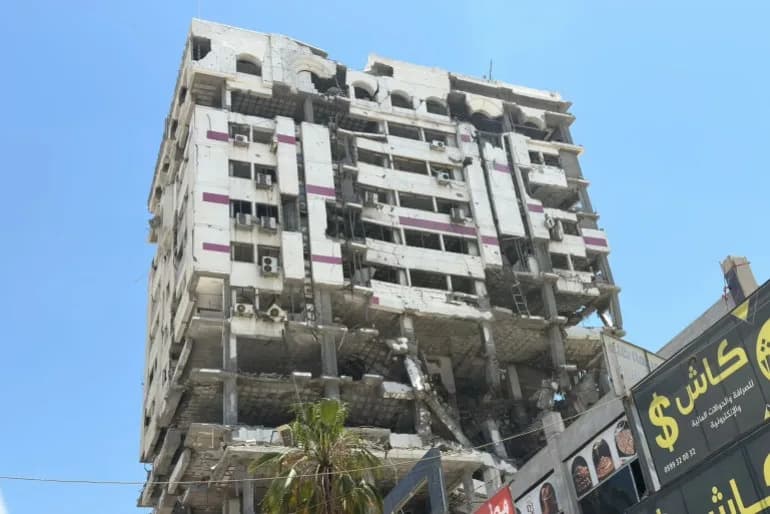
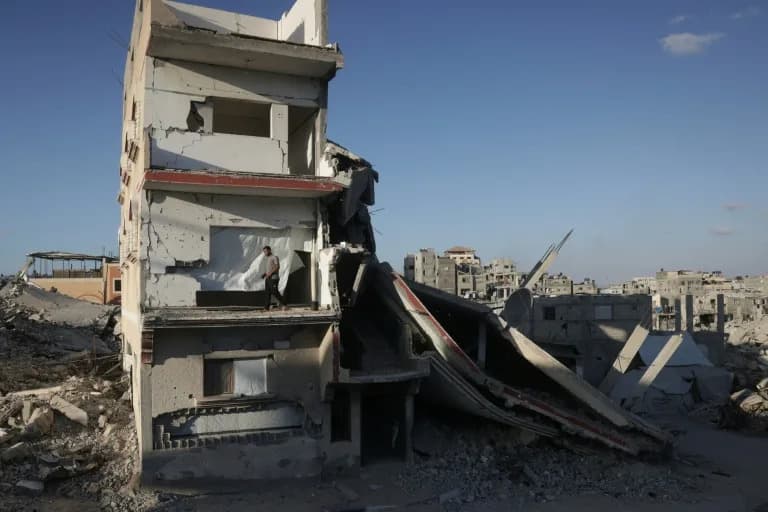
Palestine Tower, once a prominent hub for tech companies in the Gaza Strip, stands in ruins after being destroyed during the Israeli war on the Palestinian enclave [Eyad Al-Qatrawi/Al Jazeera]
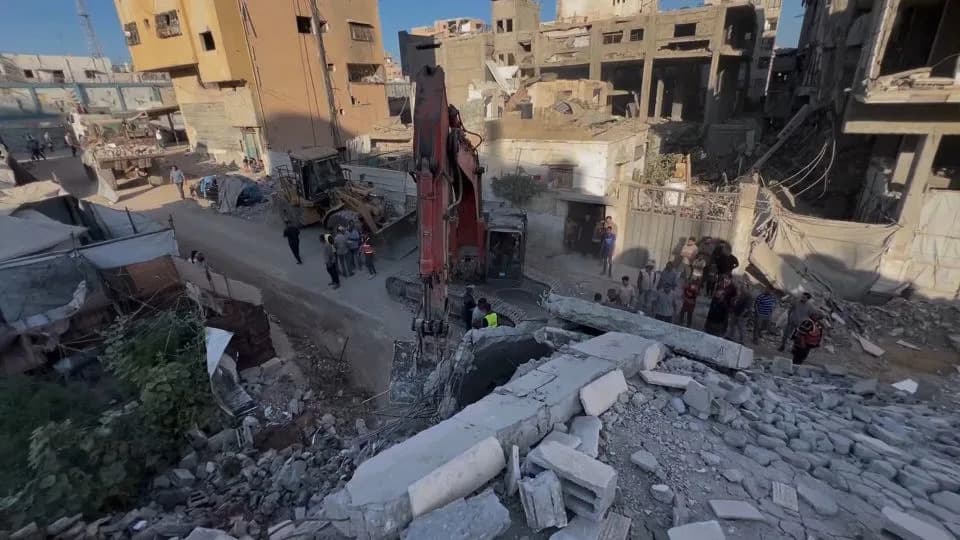
The UCAS Technology Incubator — once a bustling hub for Gaza's tech startups and innovation — was left in ruins after Israeli strikes in August 2024. The destruction has dealt a severe blow to Gaza's fragile technology and entrepreneurship ecosystem, but UCAS staff and partners are working to restore programmes, skills and livelihoods from a rented site in Gaza City.
Devastation of Infrastructure and Human Capital
The incubator, affiliated with the University College of Applied Sciences (UCAS) in the Tal al-Hawa neighbourhood, supported more than 500 young tech professionals and operated 13 specialised facilities before the conflict. Grants from donors including the European Union, Qatar and the Arab Fund for Economic and Social Development helped fund training halls, media studios and co-working spaces, while UCAS awarded seed grants of $5,000–$10,000 to emerging founders and ran programmes such as "Insaf" for legal professionals.
A field assessment by the incubator of 100 startups found catastrophic losses: 80% of startup headquarters were completely destroyed, 15.7% suffered severe damage, and more than 95% of operational environments are currently unusable without comprehensive reconstruction. Nearly 23% of project workers have left Gaza to seek opportunities abroad.
"We did not just lose equipment and buildings; we lost a portion of the human capital that formed the backbone of our work over recent years," said Abdallah al-Tahrawi, director of the UCAS Technology Incubator.
Targeted Losses of Leading Experts
Human rights groups and monitors report that many of Gaza's technology experts and intellectuals have been killed or detained during the conflict. The Euro-Med Human Rights Monitor says the campaign has killed hundreds of intellectuals and specialists in Gaza. Among the victims named by UCAS and rights groups were Tariq Thabet, director of UCAS Technology Incubator Programs, killed on October 31, 2023, and other prominent engineers and software specialists.
Continuity and Recovery Efforts
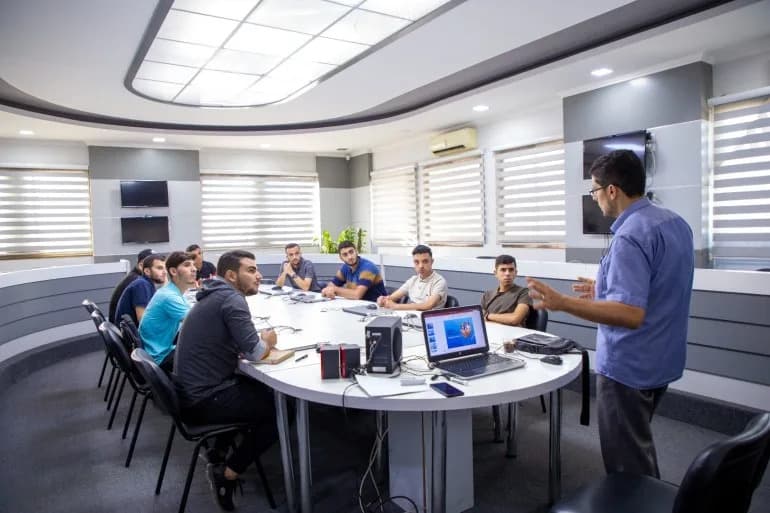
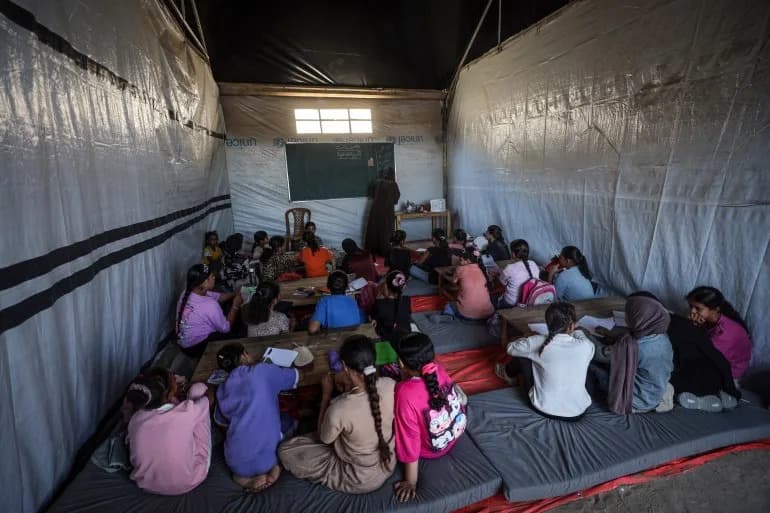
Despite the losses, UCAS has launched a recovery plan to restore core programmes and open new workspaces, aiming to include more than 100 beneficiaries in its first phase. The incubator now operates from a rented location and continues capacity-building work through projects such as e-Lancer, which focuses on digital skills and freelancing pathways.
- e-Lancer: Continued training in programming and web development to help graduates work on digital platforms.
- Economic Empowerment: Partnerships with organisations such as the al-Amal Institute for Orphans provide vocational training — for example, professional sewing and fashion design courses — for those who lost family breadwinners.
Challenges Ahead
Widespread destruction of labs and training centres, persistent power and internet outages, and the displacement or loss of skilled staff have all undermined Gaza's entrepreneurial momentum. UCAS organisers stress that reconstruction must go beyond rebuilding buildings: it must restore skills, mentorship and opportunities so youth can rebuild their futures.
The UCAS incubator's recovery will depend on sustained funding, safe access to facilities and the return or replacement of human capital. For now, organisers are focused on salvaging what remains of Gaza's innovation ecosystem and helping participants convert training into livelihoods under extremely difficult conditions.
Help us improve.