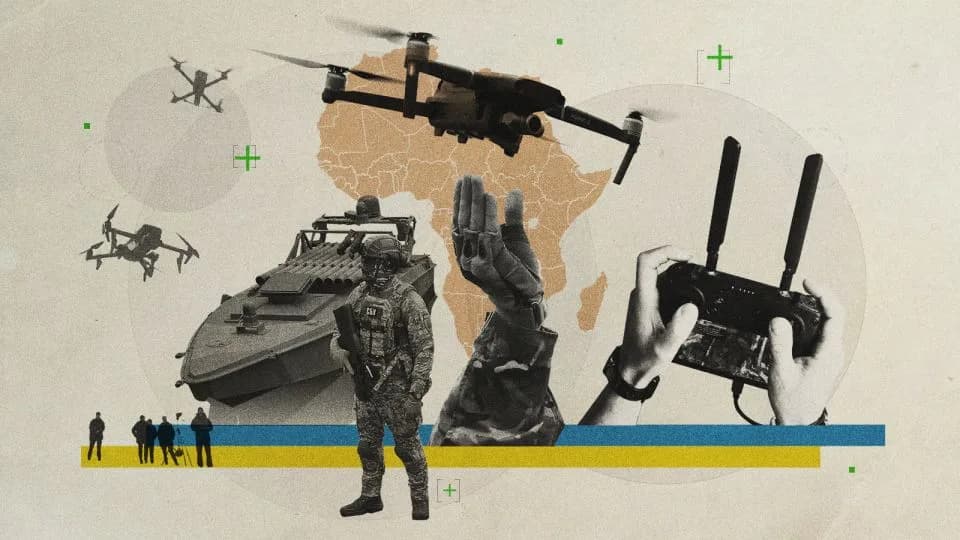
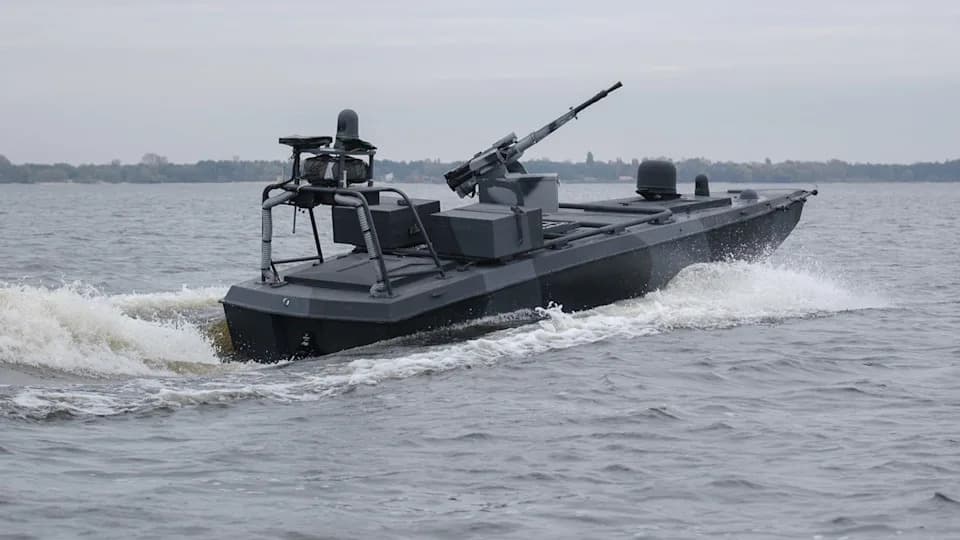
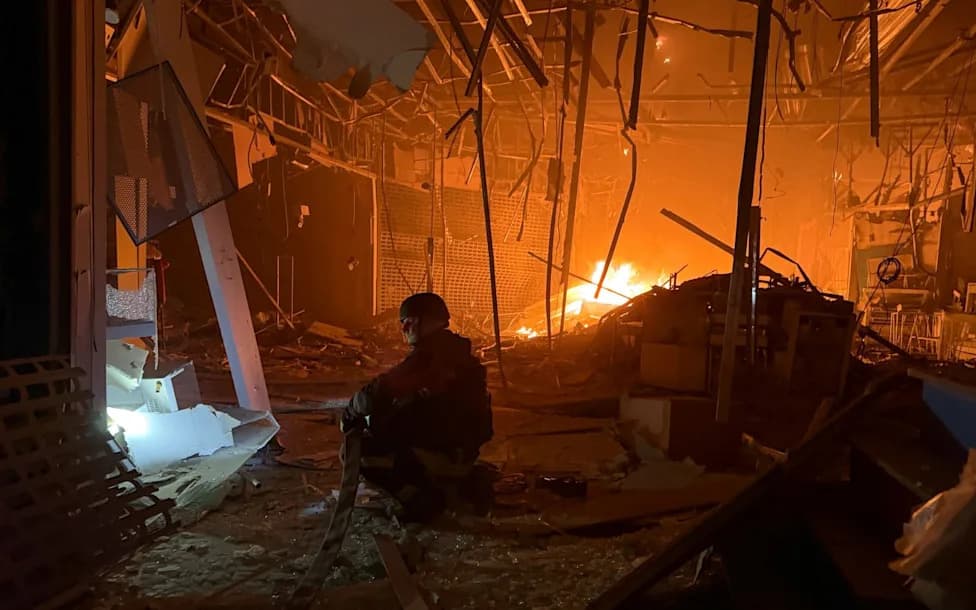
Robert "Madyar" Brovdi, a former grain trader turned commander of Ukraine's unmanned systems forces, runs a secret underground command post where he analyses drone footage to plan strikes. Appointed in June 2025, his formations claim responsibility for roughly 30–35% of confirmed destroyed Russian targets while comprising about 2% of Ukraine's forces. His data-driven approach has overseen long-range hits on oil and military sites, attracted international attention and sparked debate over the ethics and legality of social media clips showing combat footage.
Art, Numbers, and Lethal Precision: How "Madyar" Runs Ukraine's Drone Campaign
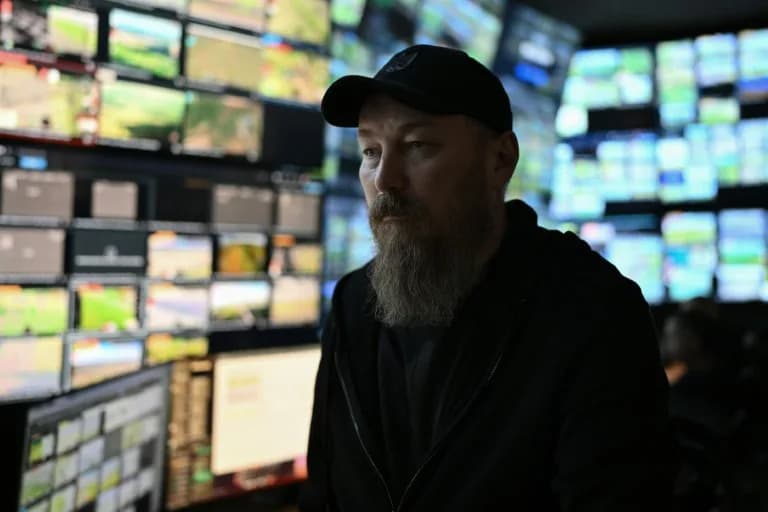
Madyar has risen through Ukraine's military, to head one of its most effective branches (Genya SAVILOV)(Genya SAVILOV/AFP/AFP)
Robert "Madyar" Brovdi commands Ukraine's unmanned systems from a secret underground command post whose walls glow with monitors streaming drone footage, frontline maps and tallies of destroyed targets. From this windowless bunker the grey-bearded 50-year-old analyses every strike to refine tactics aimed at stopping the Russian invasion.
From Trader to Drone Chief
Better known by his call-sign Madyar, Brovdi was a prosperous grain trader with no formal military background when Russia's full-scale invasion began in February 2022. He volunteered for service, formed his own unit — "Madyar's Birds" — and quickly demonstrated the battlefield potential of unmanned systems. In June 2025 President Volodymyr Zelensky appointed him to lead Ukraine's consolidated unmanned systems forces.
Command, Data and Strategy
Brovdi treats warfare like an accounting problem. "Numbers are the foundation of war. Everything starts there," he told AFP. He adapted civilian logistics and accounting methods to catalogue drone types, munitions and strike results, using continuous video analysis to improve mission effectiveness.
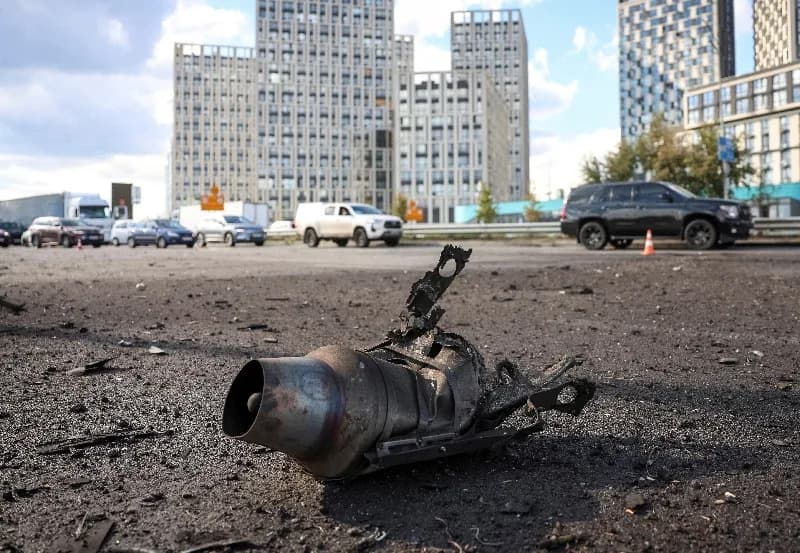
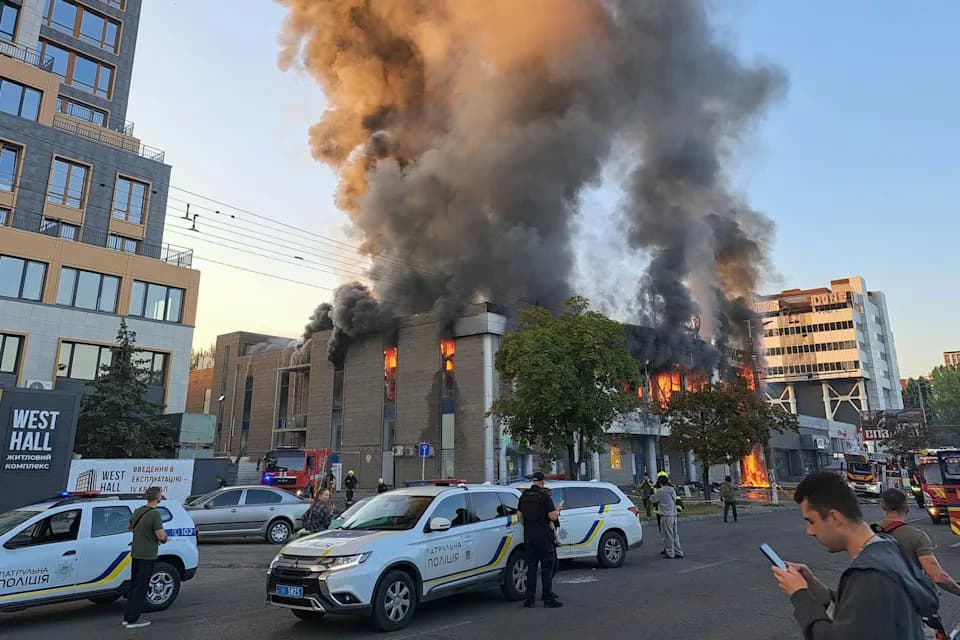
His forces have been credited with long-range strikes on oil and military facilities deep inside Russia, including an attack timed during a major economic summit in Saint Petersburg. Ukrainian officials and independent observers say these raids have incrementally degraded parts of Russia's war economy.
The unmanned systems forces under his command claim responsibility for roughly 30–35% of all confirmed destroyed Russian targets while representing only about 2% of Ukraine's military personnel. Brovdi's strategy is explicitly numerical: inflict losses at a rate Moscow cannot sustainably replace.
Operational Security and Recognition
High-profile strikes and the attention they attract have made Brovdi a priority target, forcing him to operate from fortified subterranean sites and maintain extreme operational secrecy. AFP reporters who visited one command center followed strict protocols, including transport in vehicles with blacked-out windows.
Some Russian commentators have paid reluctant tribute: "Madyar is a dangerous, committed, and professional enemy," wrote one Russian reporter. Telegram channels credited him with creating "the most effective formation of its kind" within the Ukrainian army.
Controversy: Videos, Morality and Law
Madyar's teams record many strikes; some clips — often edited with cartoonish music and mocking captions — are posted on social media where he has hundreds of thousands of followers. Inside Ukraine these clips have boosted morale for some, but they have also provoked ethical debate. Legal experts warn that footage mocking the dead could breach protections under the Geneva Conventions and spark moral objections.
Art, Home and Personal Cost
Amid screens and wreckage hang paintings from notable Ukrainian artists, including a still life by Maria Prymachenko. Brovdi — who previously ran an art foundation in Transcarpathia — says the works help him stay grounded and keep a sense of home he cannot safely return to.
His wife enlisted soon after he did and now heads troop support for his unit. Apart from her and a tiny inner circle, very few people know his whereabouts even a few hours in advance. A father of two, Brovdi says the operational successes offer partial compensation for personal sacrifice: "That momentary satisfaction, when you have taken revenge by taking the remote control into your own hands and seen the results of your work with your own eyes."
Note: Many figures here are claims by Brovdi's forces and remain difficult to independently verify. The article reports those claims and places them in context of ongoing debate about tactics, legality and ethics in modern unmanned warfare.
Help us improve.