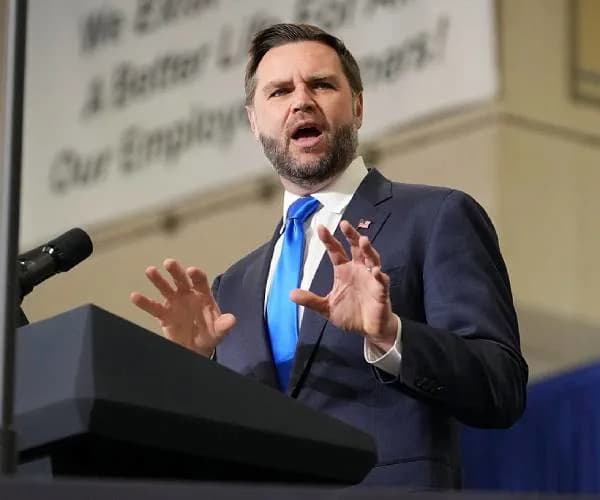
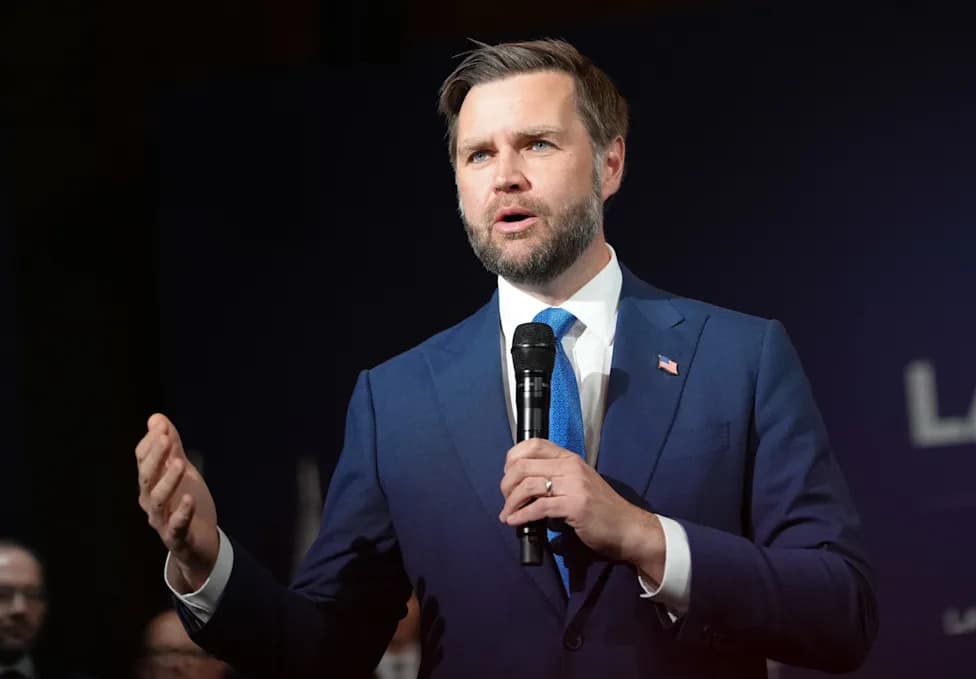
Sen. J.D. Vance told CBS he believes the U.S. is "very close" to a peace deal with Iran and said a pact could arrive before the midterm elections, though it might also take months. Hours after the interview was recorded, CENTCOM announced limited "self-defense" strikes in response to an Apache helicopter downing near the Strait of Hormuz. Negotiations between Washington and Tehran continue amid regional retaliatory strikes, a fragile ceasefire and heightened concerns about shipping and energy prices.
J.D. Vance Says U.S. 'Very Close' To Peace Deal With Iran As Retaliatory Strikes Begin
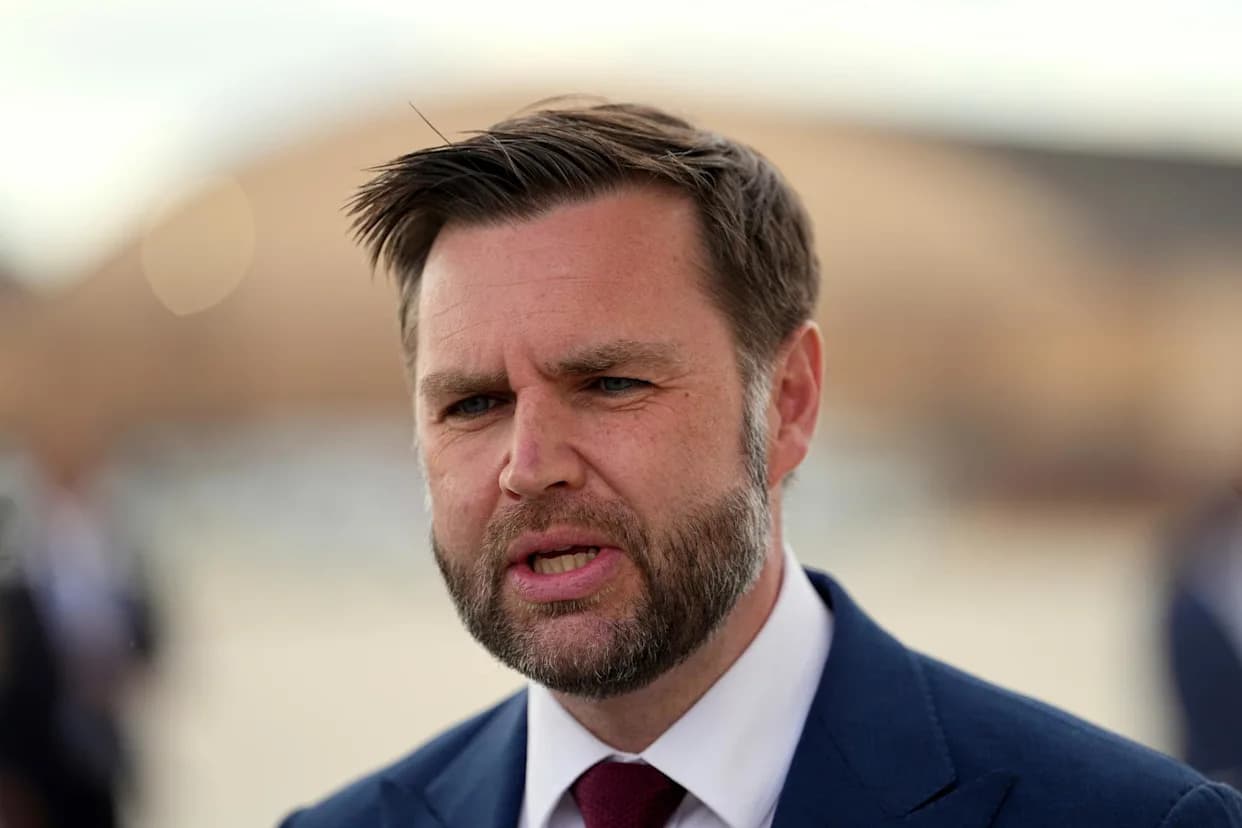
JD Vance at Joint Base Andrews in Maryland last month.Photograph: Getty Images(Photograph: Getty Images)
Sen. J.D. Vance told CBS in a taped interview that the United States is "very close to achieving" a peace agreement with Iran and suggested a deal could be reached before the upcoming midterm elections — though he acknowledged it might also take months.
Vance made the remarks in an interview recorded early Tuesday and released ahead of U.S. military action. Hours after the interview was taped, U.S. Central Command (CENTCOM) announced that American forces had begun limited "self-defense strikes" against Iranian targets in response to the downing of an Apache helicopter near the Strait of Hormuz.
On the negotiations:
"Right now, I feel that we are in a position to get a deal that is good for the United States economically and that really does deal with the Iranian nuclear program," Vance said. "Not just now, not just while Donald Trump is president, but for the long term, to where my kids can say when they're adults: 'Iran is not going to have a nuclear weapon.'"
Vance added that while he believed progress was close, "we've still got some wood to chop" and that U.S. negotiators would continue their efforts.
On the military response:
CENTCOM described the strikes as "a proportional response to unjustified Iranian aggression," saying the operation was carried out in self-defense after the helicopter incident near the Strait of Hormuz. Former President Donald Trump, writing on Truth Social earlier in the day, said the U.S. "must, of necessity, respond to the attack," but also asserted there was a "good chance" a deal could be signed "in two or three days."
Context and regional fallout:
Since February, hostilities involving the U.S., Israel and Iran have led to a series of retaliatory strikes across the region, intermittent disruption of shipping through the Strait of Hormuz, rising global energy prices and a fragile, frequently tested ceasefire. Negotiations between Tehran and Washington have continued intermittently; Iranian officials have confirmed talks are ongoing but say no final pact has been reached.
Iranian parliamentary speaker and lead negotiator Mohammad Bagher Ghalibaf condemned recent strikes on Beirut and warned that U.S. bases and regional assets had become "legitimate targets."
U.S. negotiating position:
During congressional testimony, Secretary of State Marco Rubio outlined demands reportedly being sought in any U.S. deal with Iran, including "severe and long-term limitations" on Tehran's nuclear program. In a separate interview, former President Trump said that if a deal were reached the two countries could cooperate on dismantling Iran's uranium stockpile — but he warned of "very harsh" military action if no agreement is reached.
Note: This article has been edited for clarity, flow and consistency while preserving the original quotations and reported sequence of events.
Help us improve.