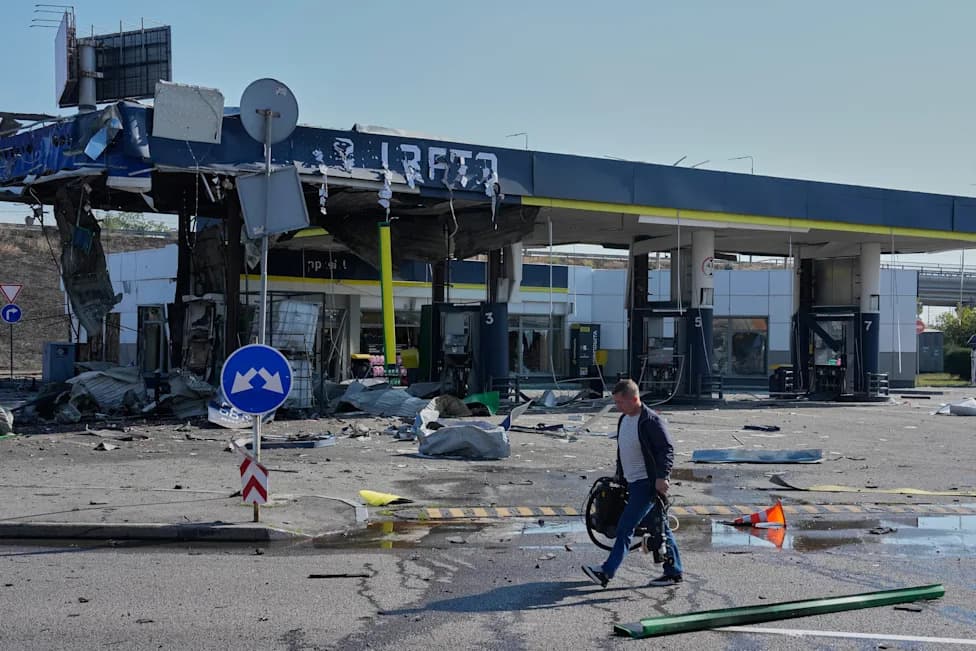
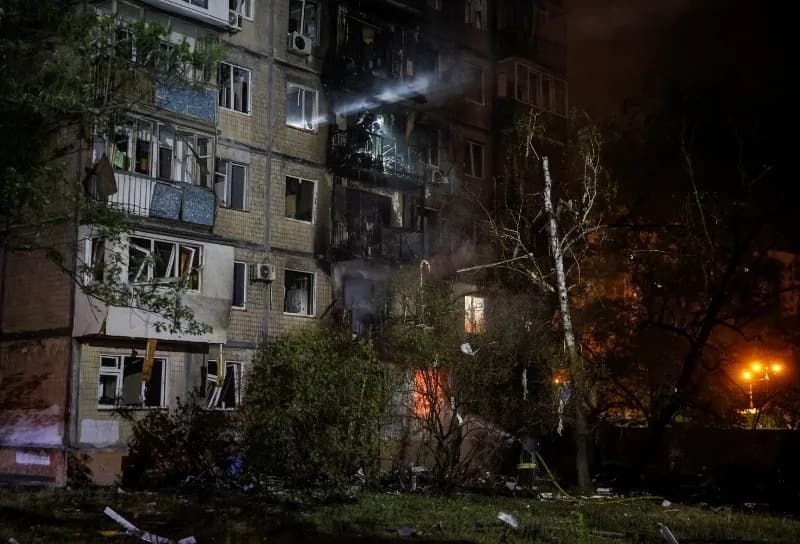
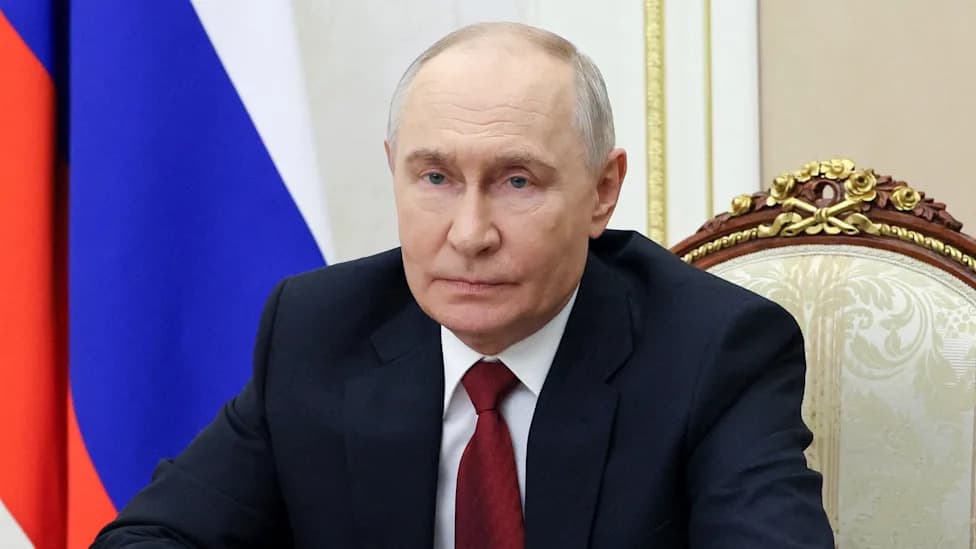
Ukraine's expanded drone and long-range strike campaign has disrupted fuel supply lines to occupied Crimea, causing rationing, long queues and rising prices. Analysts report about 300 drone strikes on trucks since May, including 30 tankers, while President Zelensky says nearly 40% of Russia's primary refining capacity was disabled in May. Damaged bridges, restricted sea routes and targeted distribution networks are compounding civilian hardship and hindering Russian military logistics.
Ukraine's Drone Campaign Deepens Fuel Crisis in Occupied Crimea — Supply Lines Crippled
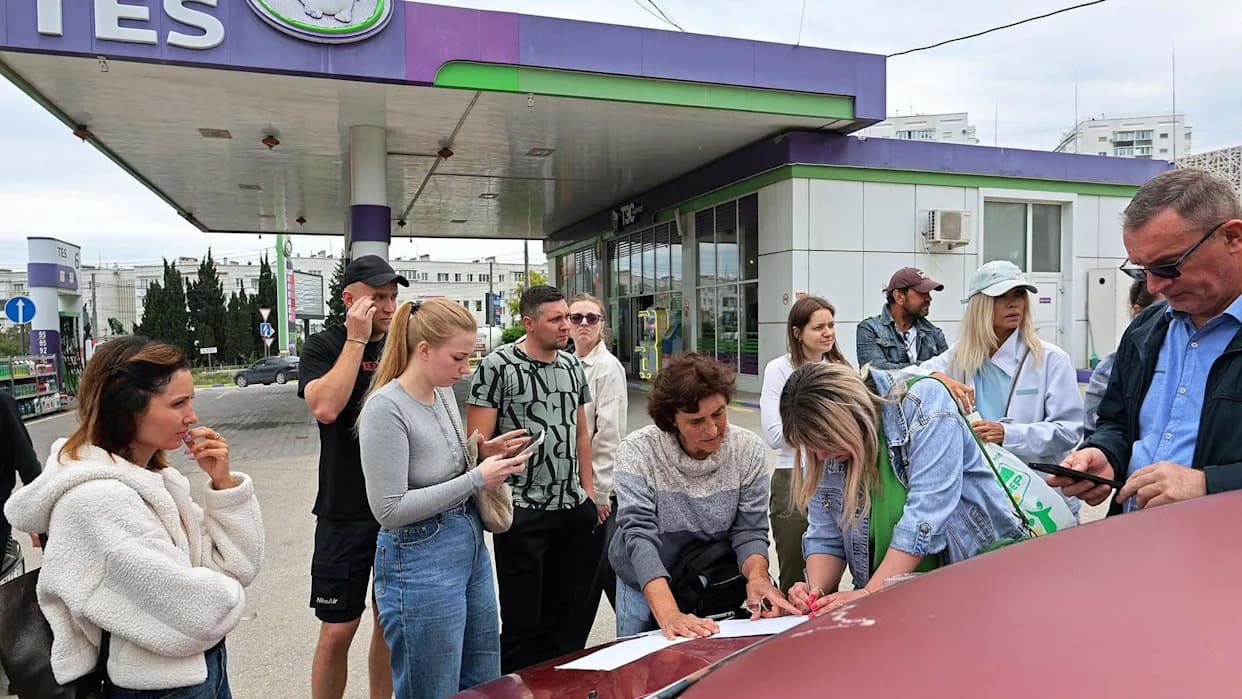
Locals are only able to buy 20 litres of fuel at most petrol stations in Russian-occupied Crimea [Reuters]
Ukraine's intensified drone offensive and long-range strikes on Russian oil infrastructure have severely disrupted supply lines to occupied Crimea, triggering widespread fuel shortages, rationing and long queues at petrol stations across the peninsula.
Supply Routes Under Pressure: Analysts say recent attacks on a principal motorway and a bridge linking Rostov through Mariupol to Crimea have become a critical vulnerability for Moscow. Clément Molin of the French think tank Atum Mundi described the route as "the backbone of Russian occupation in the south." According to reporting, Ukraine has carried out about 300 drone strikes on trucks since early May, including roughly 30 tanker vehicles, with the campaign intensifying in June.
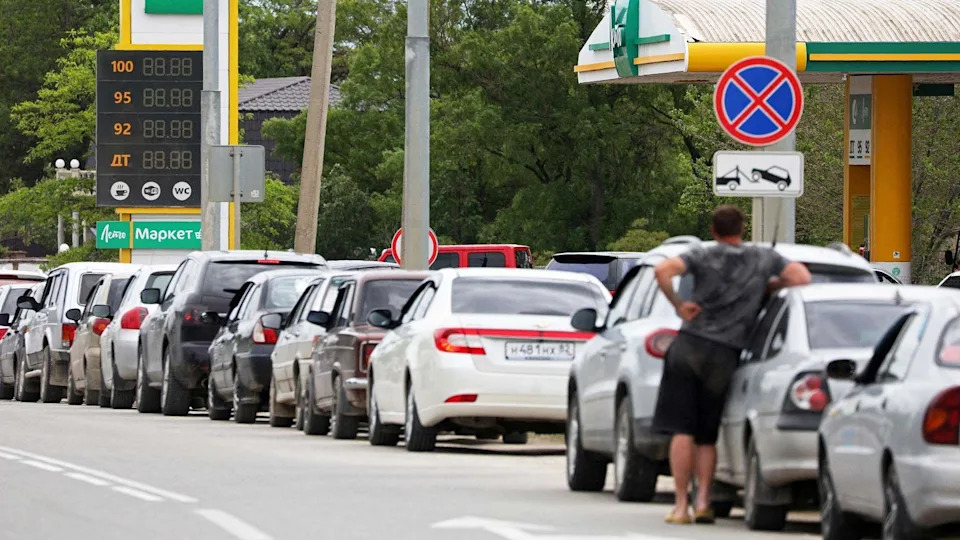
Long queues have formed as shortages continue in Crimea [Reuters]
How Residents Are Affected
Videos and social-media posts show motorists waiting in lines of several hours; some residents report queuing for up to 10 hours. Most stations are rationing sales to 20 litres (about 4 gallons) per person and require prepaid vouchers when fuel is available. Russian tourists who arrived before the shortages began have struggled to refuel and depart, prompting local, Moscow-appointed authorities to open a hotline to assist stranded visitors.
Why Sea And Bridge Routes Are Limited
Road transport remains the primary route for fuel into Crimea. Sea lanes have become dangerous after several ferries were disabled by previous attacks, and the Kerch bridge has seen restricted traffic following earlier strikes and threats. Experts warn that large oil deliveries via the bridge are highly vulnerable. As a result, land routes through Mariupol are now the main but fragile corridor.

[BBC]
Military And Local Impact
Ukraine's strikes on refineries and depots inside Russia — part of a months-long campaign — have further reduced fuel availability. President Volodymyr Zelensky said nearly 40% of Russia's primary oil refining capacity was disabled in May due to such attacks. Analysts note a shift from targeting major refineries to hitting local distribution networks, increasing the immediate impact on civilians and forces in regions such as Crimea.
"The strikes that empty fuel stations for civilians also affect supplies to troops in the south," a pro-Russian military analysis account observed, underscoring that logistical shortages do not distinguish between civilian and military needs.
On 7 June a Ukrainian strike damaged a bridge at Chohnar on the R-280 motorway in northern Crimea, suspending traffic. Authorities in occupied Luhansk have also suspended bus and coach services on two motorways leading to Mariupol and Crimea, urging residents to avoid those routes for safety reasons.
Accountability And Civilian Risk
Russian officials have reported civilian casualties in some strikes on occupied territories, including an alleged attack on a bus in Kherson and a commuter train in Crimea. The commander of one Ukrainian unmanned-systems battalion said his unit prioritizes disrupting military logistics but acknowledged the risk that large transport vehicles in busy areas can be hit—calling such outcomes "mistakes" rather than deliberate targeting of civilians.
This combined campaign of medium- and long-range strikes is affecting Russian military logistics and daily life in occupied regions while aligning with Kyiv's stated goal of bringing pressure onto Russian-held territory.
Help us improve.