The Great Lakes Incubator Farm near Traverse City runs a seven-month, three-student cohort that provides hands-on instruction in pest management, tractor operation, farm business planning and regenerative agriculture. Operated by the Grand Traverse Conservation District, the program reduces startup risk by pre-selling produce to local buyers and donating surplus. Primary funding comes from a nearly $700,000 USDA grant that ends in October, leaving leaders to seek more stable support amid a competitive grant landscape. The farm aims to help more people enter and remain in farming despite rising bankruptcies, land loss and climate pressures.
Michigan Incubator Farm Trains New Growers With Hands-On, Low-Risk Program
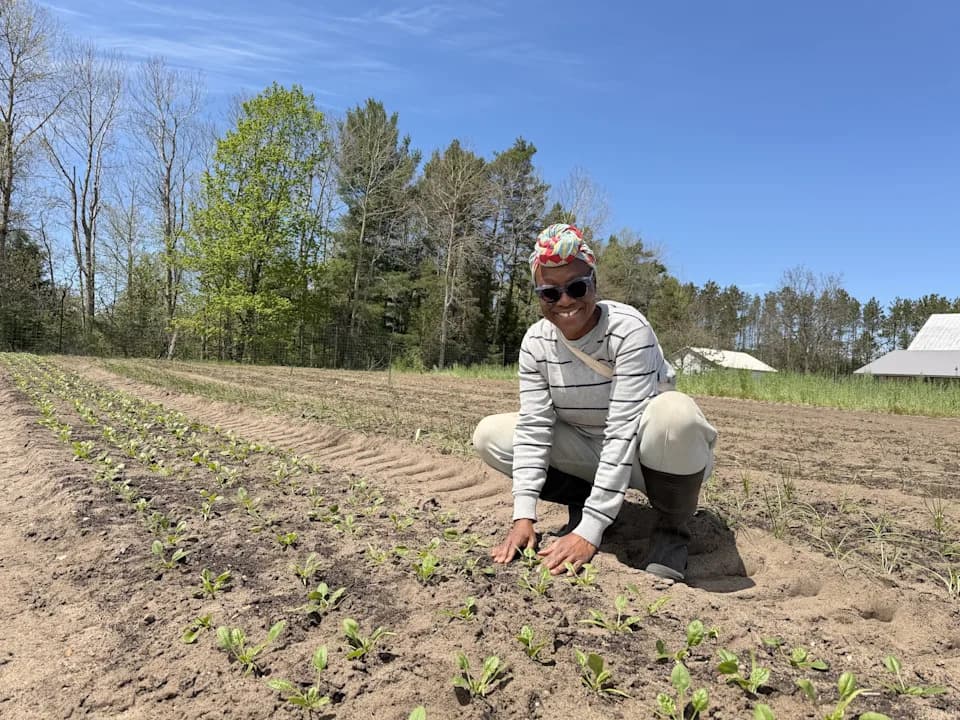
The Great Lakes Incubator Farm, located on working farmland at the southern edge of Traverse City, Michigan, offers a seven-month, hands-on training program designed to lower the barriers to entry for aspiring farmers.
What the Program Does
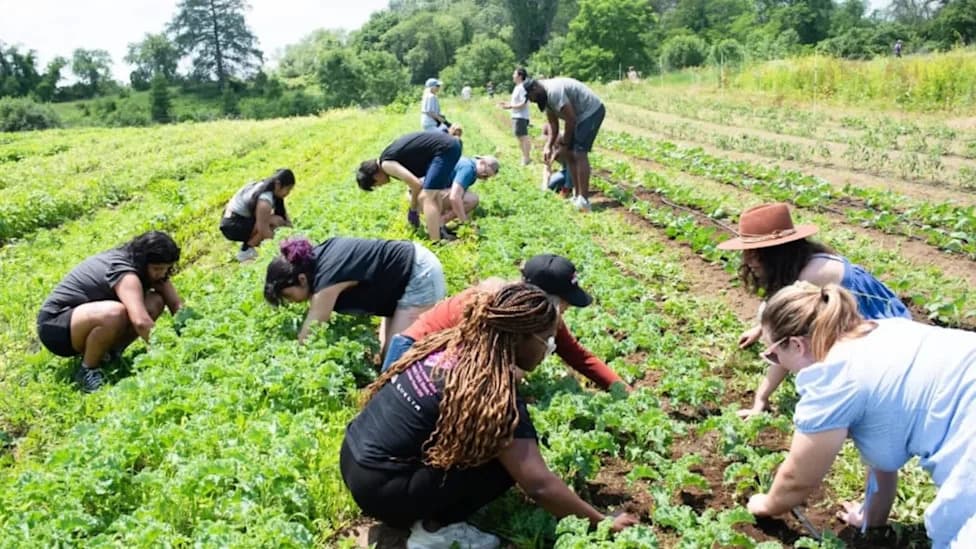
Run by the Grand Traverse Conservation District, the incubator accepts three-student cohorts who learn by doing: pest management, tractor operation, planning a farm business, and regenerative agriculture practices that emphasize soil health and reduced greenhouse gas emissions.
Student Experience
Students come from across the country and include career changers and existing small-scale farmers seeking new skills. Rachel Greenberg, a 33-year-old student from Indianapolis, called farming a “never-ending” challenge but one motivated by a desire to know where food comes from. Troy Saruna, 28, whose background is in conservation, said he wanted to understand agriculture’s relationship to climate and ecosystems. Shanaya Holmes, 49, who runs a small four-acre farm in Alabama, enrolled to learn to grow in a cooler climate and to improve record-keeping.
“The whole incubator idea is something you see a lot in the world of entrepreneurship, and it’s beautiful that somebody saw that and was like, ‘Why don’t we just do that with farming?’” — Rachel Greenberg
How the Farm Lowers Financial Risk
The incubator reduces startup risk by pre-selling produce to committed local buyers for the season and donating any surplus to food-rescue organizations. Because it’s structured as a training project rather than a profit-driven business, students can experiment with lower stakes and learn from failures such as frost damage or crop loss.
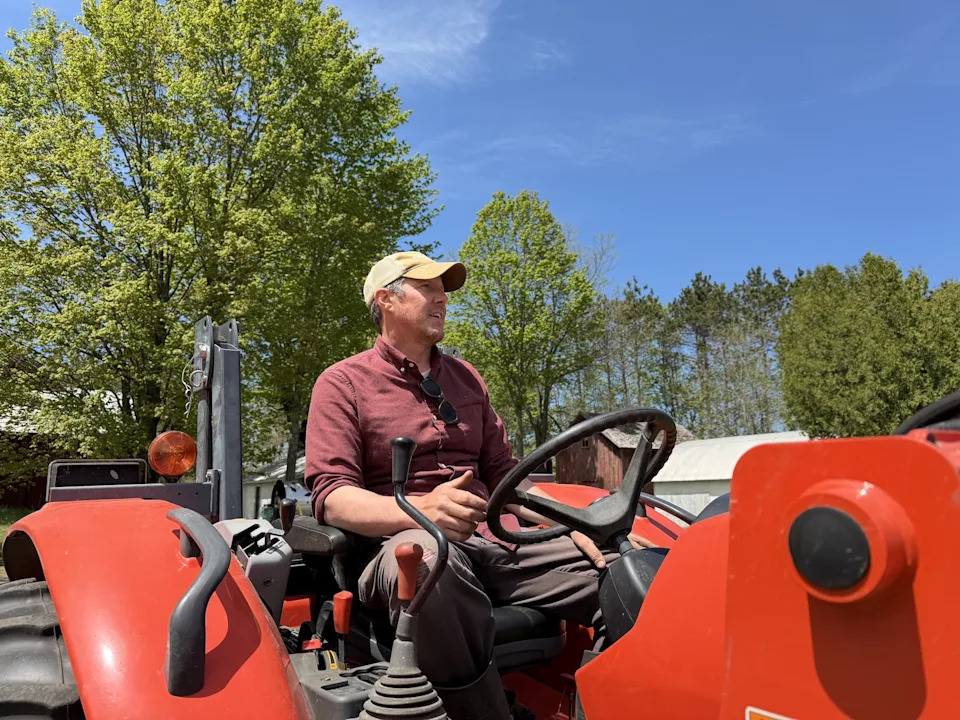
A man sits on a red tractor outdoors(Vivian La / IPR News)
Funding and Long-Term Challenges
The Great Lakes Incubator Farm relies primarily on a nearly $700,000 federal grant from the U.S. Department of Agriculture aimed at beginning farmers; that funding runs through the current harvest season and ends in October. Manager and instructor Adam Brown plans to reapply but is seeking backup funding because the grant program is competitive. In 2025 the USDA canceled roughly $148 million in grants — including some within the beginner farmer program — amid policy changes tied to early executive orders from the Trump administration affecting climate, environmental justice, and DEI initiatives.
Brown and others say the scarcity of consistent, sizable funding is a major reason there are relatively few training farms. The incubator also receives some state grant support.
Broader Context
Economic pressures on farming are mounting: farm bankruptcies rose 46 percent last year, according to the National Farm Bureau, and researchers estimate more than 50,000 acres of U.S. farmland have been lost to development in the past two decades. Still, data show growing interest among younger farmers: USDA census figures indicate farmers under 45 in Michigan rose by about 20 percent between 2017 and 2022. Nationwide, a Tufts University–linked group that coordinates a training-farm network counts roughly 100 similar programs, though no single comprehensive inventory exists.
Why It Matters
Training farms like Great Lakes provide practical pathways into agriculture at a time when high startup costs, limited land access, and climate uncertainty deter newcomers. By combining hands-on instruction with lower financial risk, incubators can help more people enter — and ideally stay in — farming, strengthening local food systems and community resilience.
Originally published by Grist with the headline "Becoming a farmer is hard. This Michigan program wants to help." on Jun 8, 2026.
Help us improve.