Caroline Eshghi, who says she suffered severe abuse as a child, has criticised the justice system after her birth mother, Melanie Burmingham, was released from prison in January 2026 after serving eight months of a 20‑month sentence. Judges described a 'dreadful catalogue of cruelty and abuse' spanning 12 years in the 1970s and 1980s. Eshghi is campaigning to change sentencing rules so perpetrators of historical child abuse face modern maximum penalties and has gathered over 40,000 petition signatures. She plans to present the petition to Parliament and is writing a book to support other survivors.
‘Justice Betrayed’: Abuse Survivor Demands Sentencing Reform After Mother’s Early Prison Release
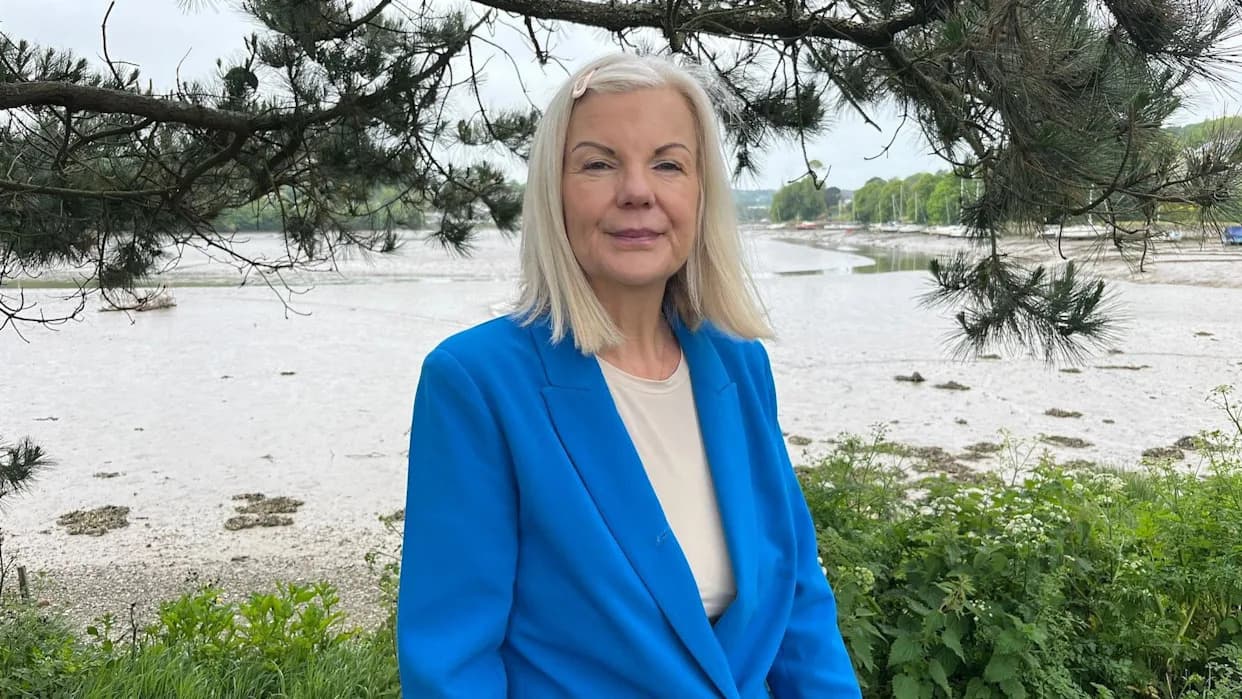
Caroline Eshghi said she had been subjected to horrific abuse by her mother as a child [BBC]
Content warning: This article contains descriptions of child abuse that some readers may find distressing.
Caroline Eshghi, who says she was beaten, burned and starved as a child, has condemned the justice system after her birth mother, Melanie Burmingham, was released from prison in January 2026 having served just eight months of a 20‑month term.
Judges described what Eshghi endured as a 'dreadful catalogue of cruelty and abuse' spanning roughly 12 years while the family lived in Bristol, Somerset and Wiltshire during the 1970s and 1980s. Eshghi recounts years of extreme violence and terror, including being held underwater, having cigarettes pressed into her skin, and being struck with a walking stick.
Investigation, Conviction and Early Release
Eshghi reported the abuse to Avon and Somerset Police in 2019. An investigation followed and, in March 2023, Burmingham (then aged 80) was charged with one count of cruelty to a person under 16 contrary to section 1 of the Children and Young Person Act 1933. At Portsmouth Crown Court Burmingham pleaded guilty and was initially given a 20‑month suspended sentence.
Eshghi appealed that sentence; following a Court of Appeal ruling on 23 May 2025, Burmingham was ordered to serve 20 months' imprisonment. She was released in January 2026 after serving eight months, a development that has reignited Eshghi's campaign for legal change.
Why Eshghi Is Campaigning
Eshghi argues the sentences available to judges for historical abuse cases are too low. Under current legal principles, courts must impose sentences no greater than the maximum available at the time the offence occurred. Because many offences took place before 2005, those crimes can attract a maximum custodial term of two years, whereas the same conduct today could carry a maximum of up to 14 years.
'When punishment fails to reflect the lifelong harm inflicted, justice becomes meaningless and survivors like me are left silenced, dismissed and profoundly failed by the very system meant to protect us,' Eshghi said.
Her petition calling for sentencing guidelines to be applied so that historical child abusers face modern maximum penalties has more than 40,000 signatures and is due to be taken to Parliament later this year. Eshghi is also writing a book she says will serve as both testimony and a practical guide for other survivors seeking justice.
Official Response
A Ministry of Justice spokesperson said courts must sentence offenders according to the law in force when the offence occurred, but judges can consider the full seriousness of harm when setting punishments. The spokesperson also highlighted government investment in victim support services.
Eshghi continues to press for legal reform so that people brought to justice through historical investigations are sentenced under contemporary guidelines, arguing pre‑2005 law did not adequately recognise the seriousness and lifelong impact of crimes against children.
If you are affected by the issues described here, organisations and helplines are available to offer support.
Help us improve.