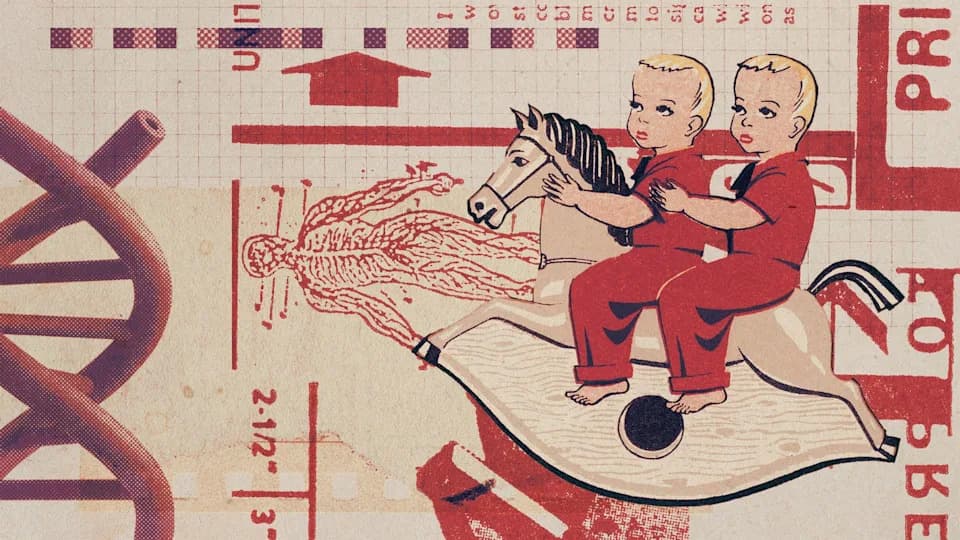
Animals show consistent personalities shaped by early life, genes, and evolutionary context. Studies estimate genetics explains about 35% of personality variation, while early experiences and species-specific pressures account for much of the rest. Animal experiments—like egg-swapping—allow researchers to separate heredity and environment more precisely than most human studies. Recognizing animal personality challenges assumptions about human uniqueness.
Animals Have Personalities — How Genes, Early Life and Evolution Shape Them
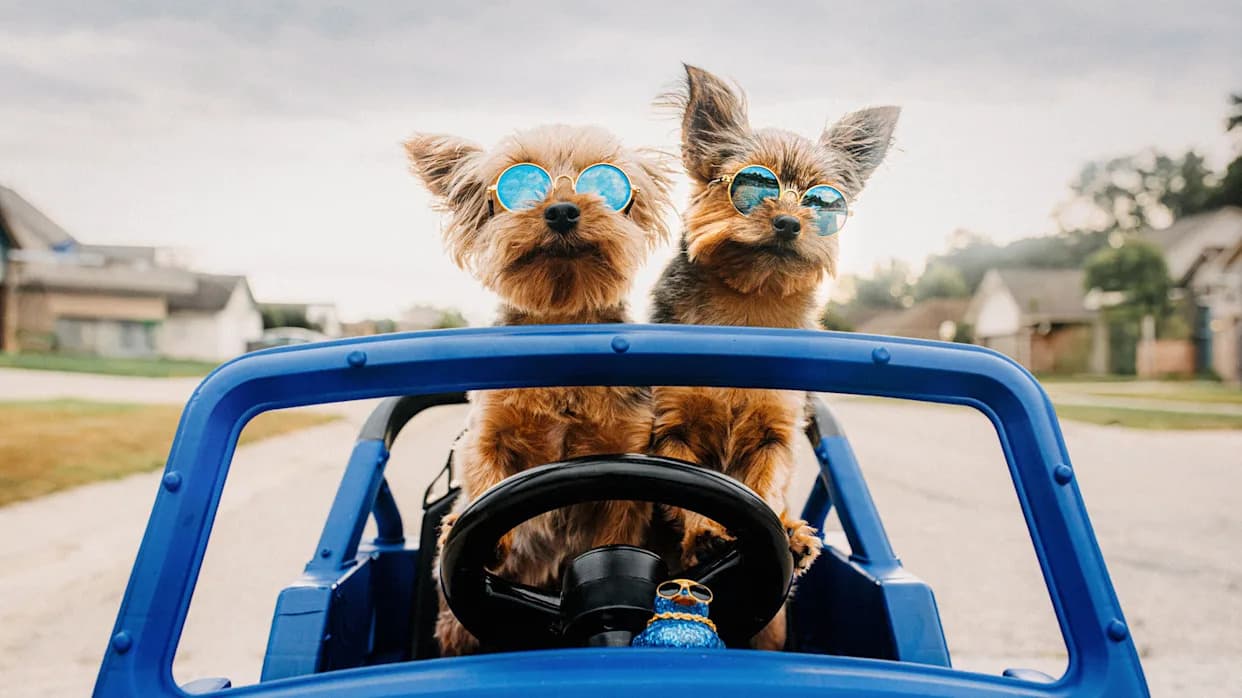
Some dogs really are cooler.
We often assume wild animals are free of the messy, persistent quirks we call personality. But decades of research show that animals—wild and domestic—display consistent individual differences in behavior, shaped by many of the same forces that shape human personality.
What Researchers Are Finding
“They’re not spared. Life is hard for them, too,”—Dr. Alison M. Bell, behavioral ecologist, University of Illinois Urbana, speaking to Popular Science.
Animal personality research combines field observation, controlled experiments, and comparative studies across species. Those approaches reveal several recurring influences that help explain why one animal is bold and another cautious, why some pets recover from trauma while others remain wary, and why behavioral traits vary across species.
Early Life Experiences
Early environments and social interactions—with parents, siblings, or group members—often leave lasting marks. A common example is a dog from a shelter or an animal that endured abuse; those experiences can produce long-term behavioral effects. The same principle applies to wild animals: juveniles that are neglected, stressed, or otherwise disadvantaged often carry those scars into adulthood.
Genetics
Genetic differences contribute substantially to personality, but they are not the whole story. Current estimates place genetics at roughly 35% of the variation in animal personality—similar to estimates for humans. Animal studies can sometimes separate heredity from environment more cleanly than human studies: experiments such as swapping bird eggs between nests show how rearing environment versus genetic lineage shape behavior.

Some cats hide from robot vacuum. Others stand on top of them. Their risk taking or nervous approach might all come down to personality.Image: Getty Images /witthaya_prasongsin
Species-Level Evolutionary Pressures
Which traits matter depends heavily on a species’ ecology and life history. For a parrot, social learning and vocal behavior may be key; for a fish, predator avoidance and foraging strategies might be central. Evolution tunes which behavioral differences are important, so personality patterns differ across taxa.
Continuity and Change
Personality traits in animals are often stable—an individual that is a risk-taker at one time is likely to remain bolder than conspecifics later on. Dr. Bell’s work with stickleback fish, for example, finds repeatable individual differences in risk-taking across days and months. However, personalities are not fixed: new environments, social changes, health shifts, and learning can modify behavior over time.
How People Shape the Science
Human attitudes also influence how research is framed and received. Some scientists hesitate to use personality language for animals because it challenges traditional views of human exceptionalism and prompts ethical and conceptual shifts. Yet the empirical evidence for individual behavioral differences is robust across species.
Takeaway
Animal personalities arise from a mix of early experiences, genetics (≈35%), species-specific evolutionary pressures, and life-course continuity with room for change. Experimental animal research provides precise ways to untangle these influences, and the growing consensus is that individual behavioral variation is a widespread, biologically meaningful phenomenon.
Help us improve.