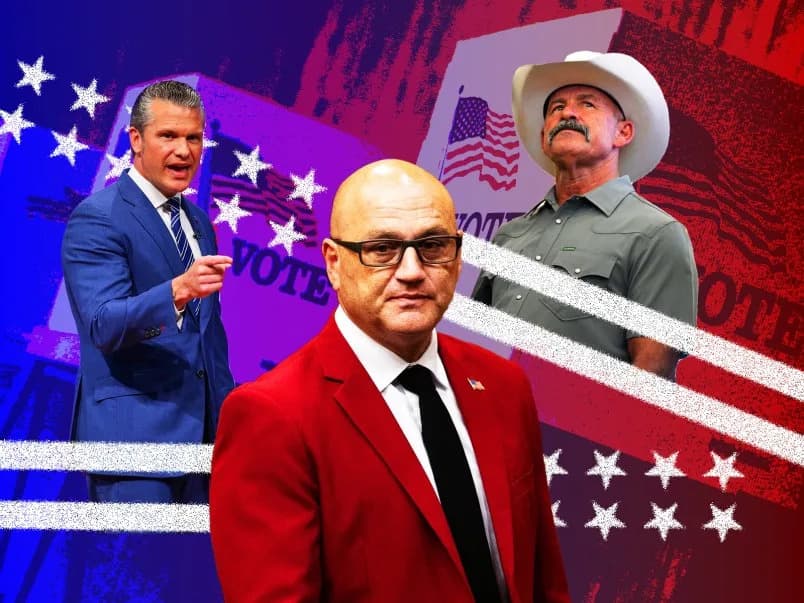
Several Republican gubernatorial candidates in key battleground states publicly rejected or questioned President Joe Biden’s 2020 victory. If elected, they could shape election laws, appoint key officials and influence how disputes are resolved — powers that matter for future presidential contests. Supporters say their proposals would strengthen election security; critics warn election denialism threatens public confidence and could lead to policies that restrict voting access. These races are especially consequential in Arizona, Georgia, Pennsylvania and Wisconsin.
Gubernatorial Contenders Who Rejected the 2020 Result Could Shape Future Elections
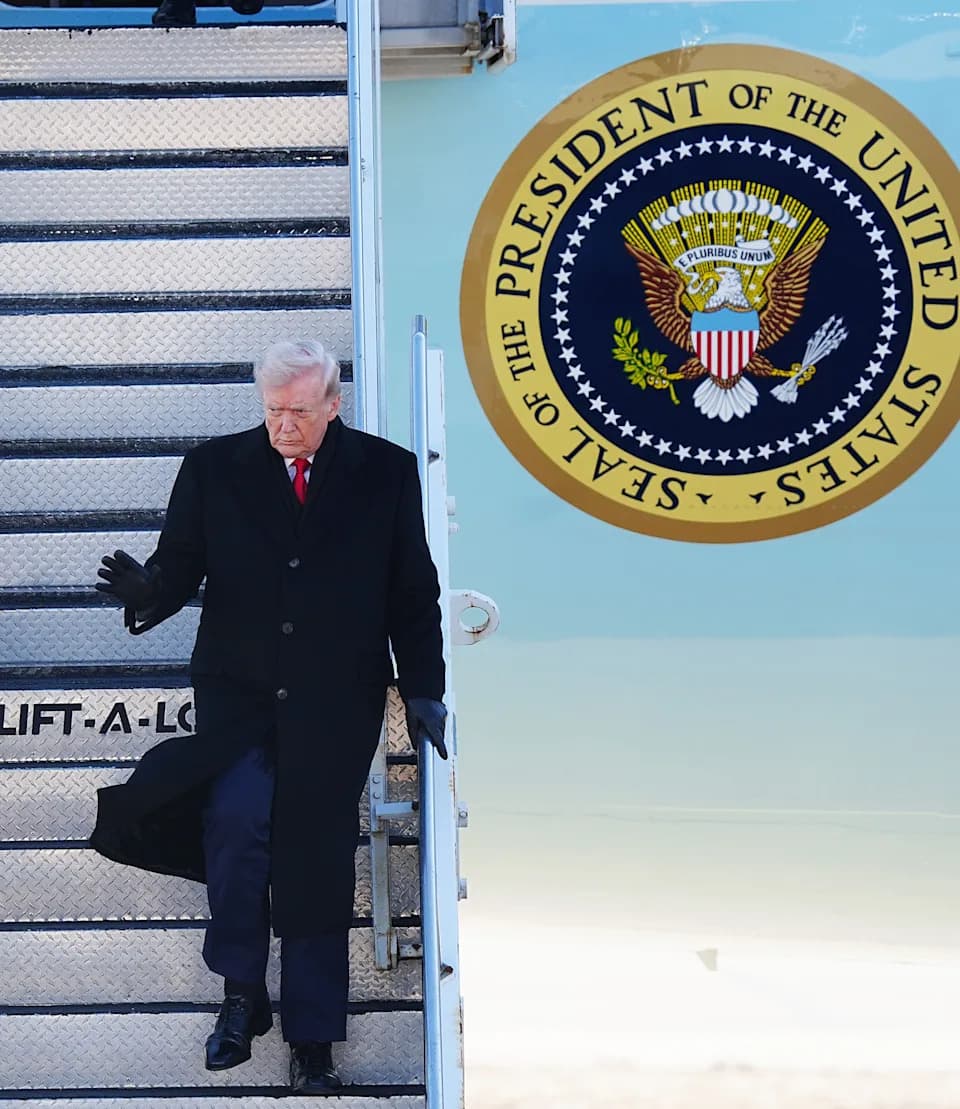
US President Donald Trump arrives with Air Force one at Des Moines International Airpot on Jan. 27, 2026, in Des, Moines, Iowa.(Nirmalendu Majumdar, Ames Tribune via USA TODAY NETWORK)
Several Republican candidates running for governor in key battleground states publicly rejected or cast doubt on President Joe Biden’s 2020 victory. If elected, these governors would have meaningful influence over election laws, appointments and dispute-resolution processes in states that could decide future presidential contests.
Why This Matters
Governors do not run day-to-day election operations in most states, but they can sign or veto voting laws, appoint secretaries of state and election-board members, and in some cases affect how election disputes are handled. That combination of powers means gubernatorial winners in Arizona, Georgia, Pennsylvania, Wisconsin and other close states could help reshape election rules ahead of 2028.
Debate: Security Versus Risk
Supporters of the candidates say tougher rules and stronger oversight are needed to protect ballot integrity — for example, by pursuing measures similar to the SAVE Act, a Trump-backed proposal that would tighten voter ID and citizenship verification. Hans von Spakovsky, a former Justice Department official and election-policy expert at the conservative group Advancing American Freedom, said governors and legislatures can work together to strengthen election security.
Critics counter that proven cases of intentional voter fraud are extremely rare. The conservative Heritage Foundation has documented roughly 1,500 proven instances of fraud across decades and more than a billion ballots cast. Voting-rights advocates warn the greater danger is officials who refuse to accept certified results and could use state power to restrict access, undermine public confidence, or reshape procedures in ways that disadvantage certain voters.
"We know who won the 2020 election. It is the most scrutinized election probably in world history," said David Becker, founder and executive director of the nonpartisan Center for Election Innovation & Research. "So it should be troubling to anyone who's an American voter who's going to be governed in any of these states when there is a candidate who seemingly is disconnected from reality."
Notable Candidates
Andy Biggs — Arizona
Rep. Andy Biggs objected on Jan. 6, 2021, to Electoral College votes from Arizona, Georgia, Pennsylvania, Wisconsin, Michigan and Nevada, even though he won re-election on the same Arizona ballots that delivered the state to Biden by roughly 10,500 votes. The Jan. 6 committee recommended the House Ethics Committee investigate Biggs and several other lawmakers for their roles in efforts to challenge the 2020 result; Biggs has denied wrongdoing. Arizona remains a focal point for disputes over audits, ballot counting and voting rules.
Burt Jones — Georgia
Georgia Lt. Gov. Burt Jones served as one of 16 alternate Trump electors after Biden narrowly carried the state in 2020. Jones, who has Trump’s endorsement in the governor’s race, was identified as an unindicted co-conspirator in the Fulton County investigation into efforts to overturn Georgia’s results but was not charged. In September 2024, Peter Skandalakis — who took over the probe after the lead prosecutor was removed — concluded Jones's conduct as an elected official was "reasonable and not criminal in nature." Jones denies wrongdoing.
Tom Tiffany — Wisconsin
Rep. Tom Tiffany voted against certifying Biden’s Electoral College victories in Arizona and Pennsylvania after Jan. 6 and later said he would have objected to Wisconsin’s votes if given the chance. Tiffany has continued to raise concerns about aspects of the 2020 process and supports tighter election-security measures; he also said he backed FBI interviews of high-ranking state election officials as part of ongoing probes. Biden won Wisconsin by 20,695 votes in 2020, a result that held up after recounts and audits.
Stacy Garrity — Pennsylvania
Pennsylvania Treasurer Stacy Garrity, the Trump-endorsed Republican nominee for governor, has faced criticism for comments that questioned the 2020 result. At a 2022 rally with Trump she said, "We know that he won," later indicating she accepted Biden’s presidency while continuing to raise procedural concerns. Garrity will challenge Gov. Josh Shapiro in November.
Other Races to Watch
In South Carolina, Trump endorsed Lt. Gov. Pamela Evette, one of several GOP contenders who have suggested the 2020 result was illegitimate or have attacked rivals for not backing post-2020 challenges. In Florida, Rep. Byron Donalds — an early Trump-endorsed contender — supports voter ID and citizenship-verification measures. In Alabama, Sen. Tommy Tuberville and in Tennessee, Rep. John Rose, are among other Republicans who voted to object to certifying the 2020 results and are running for governor in their states.
The Stakes Ahead
Advocates on both sides say the issue is not merely political: supporters frame their proposals as protecting ballot integrity and preventing noncitizen voting, while critics warn election denialism by officeholders could erode trust in democratic outcomes and lead to policies that limit access to the ballot. With candidates who questioned or sought to overturn the 2020 result appearing on ballots in at least half of U.S. states, these gubernatorial contests will be watched closely for their potential impact on election administration leading into 2028.
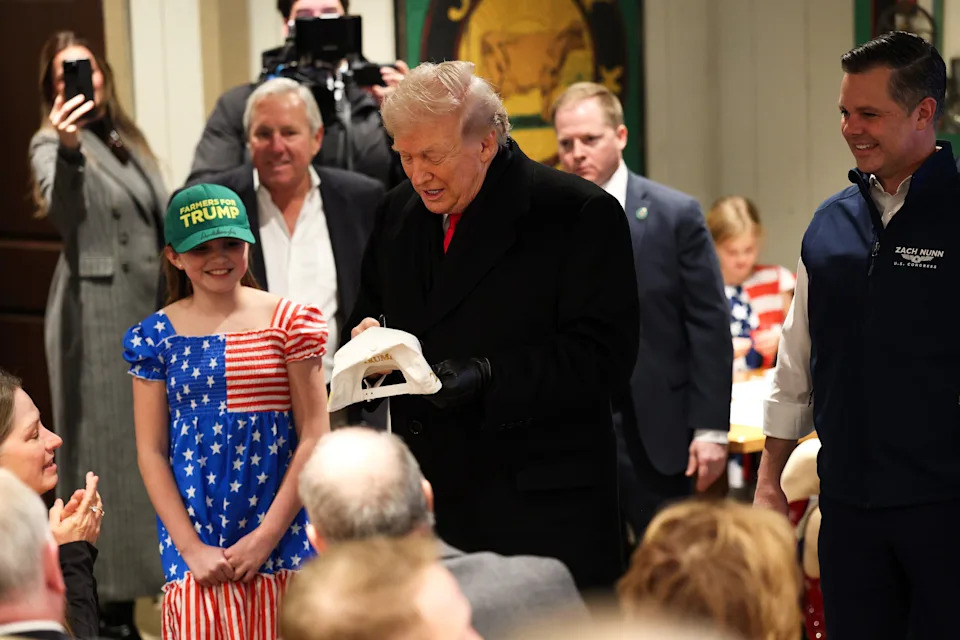
President Donald Trump signs autographs as he visits the Machine Shed restaurant on Jan. 27, 2026 in Urbandale, Iowa. President Trump is scheduled to speak later at the Horizon Events Center in Clive, Iowa. He returns to Iowa for a second time in his second term ahead of the mid-term elections.(Win McNamee, Getty Images)
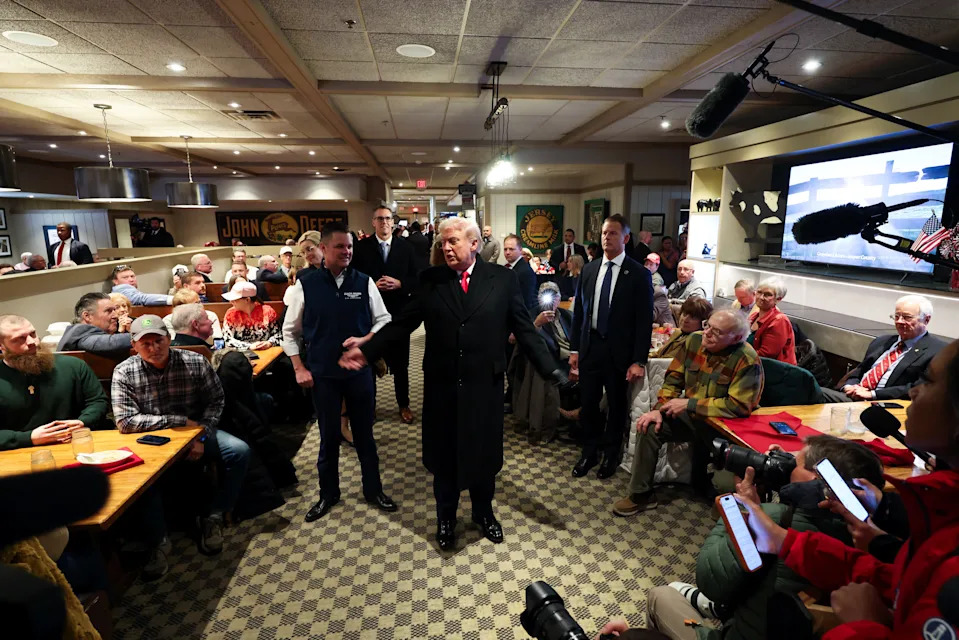
President Donald Trump speaks to guests as he visits the Machine Shed restaurant on Jan. 27, 2026 in Urbandale, Iowa. President Trump is scheduled to speak later at the Horizon Events Center in Clive, Iowa. He returns to Iowa for a second time in his second term ahead of the mid-term elections.(Win McNamee, Getty Images)
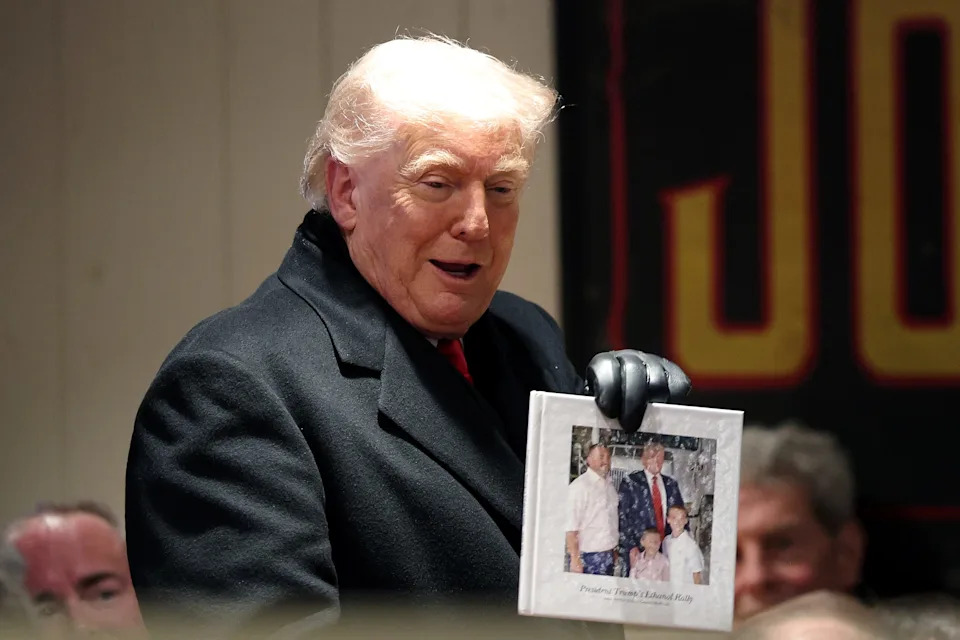
President Donald Trump holds a photo of himself with supporters as he visits the Machine Shed restaurant on January 27, 2026 in Urbandale, Iowa. President Trump is scheduled to speak later at the Horizon Events Center in Clive, Iowa. He returns to Iowa for a second time in his second term ahead of the mid-term elections.(Win McNamee, Getty Images)
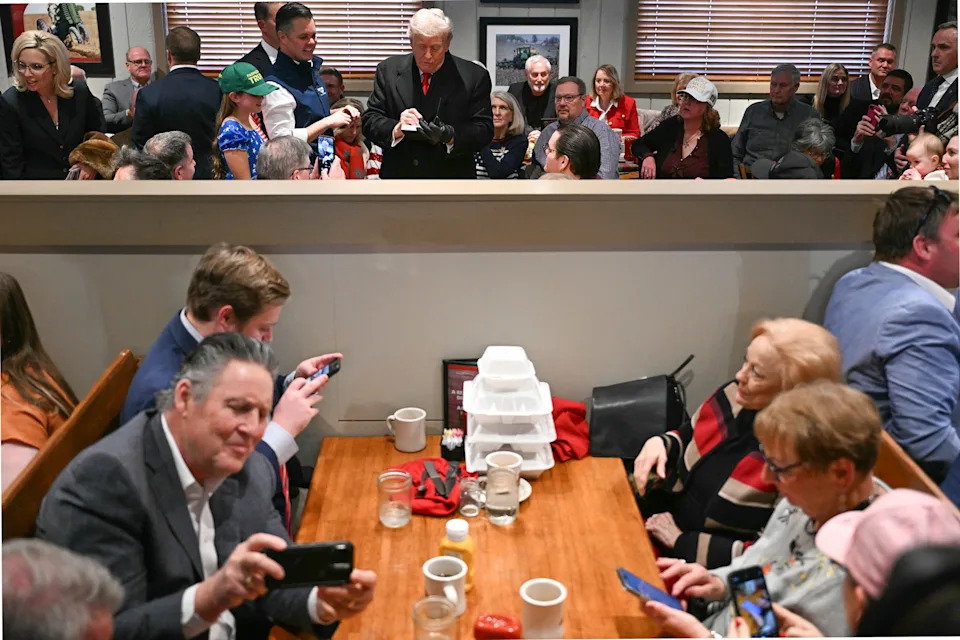
President Donald Trump signs autographs during a stop at the Machine Shed restaurant in Urbandale, Iowa, on Jan. 27, 2026.(BRENDAN SMIALOWSKI, AFP via Getty Images)
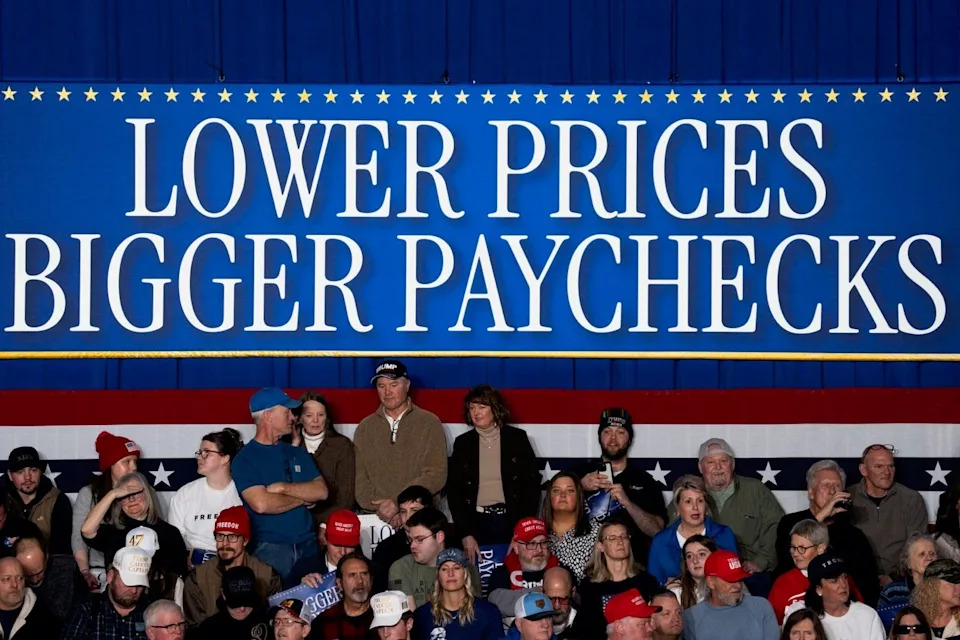
Supporters stand behind the lectern before President Donald Trump takes the stage during a rally at Horizon Events Center on Tuesday, Jan. 27, 2026, in Clive, Iowa.(Lily Smith, The Register via USA TODAY NETWORK)
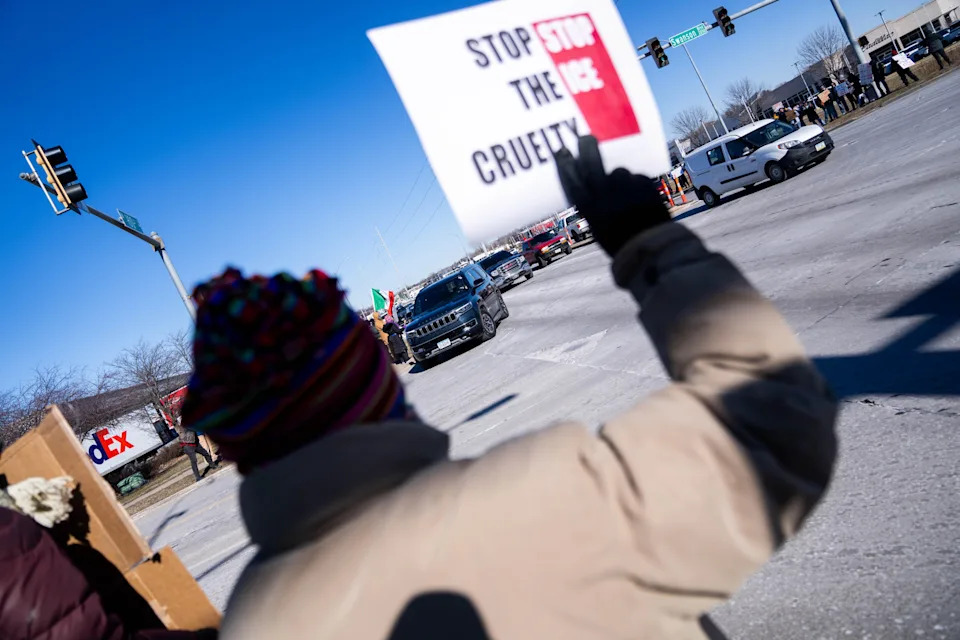
Protesters gather outside the Horizon Events Center to protest Donald Trump's visit to Iowa on Jan. 27, 2026, in Clive, Iowa.(Cody Scanlan, The Register via USA TODAY NETWORK)
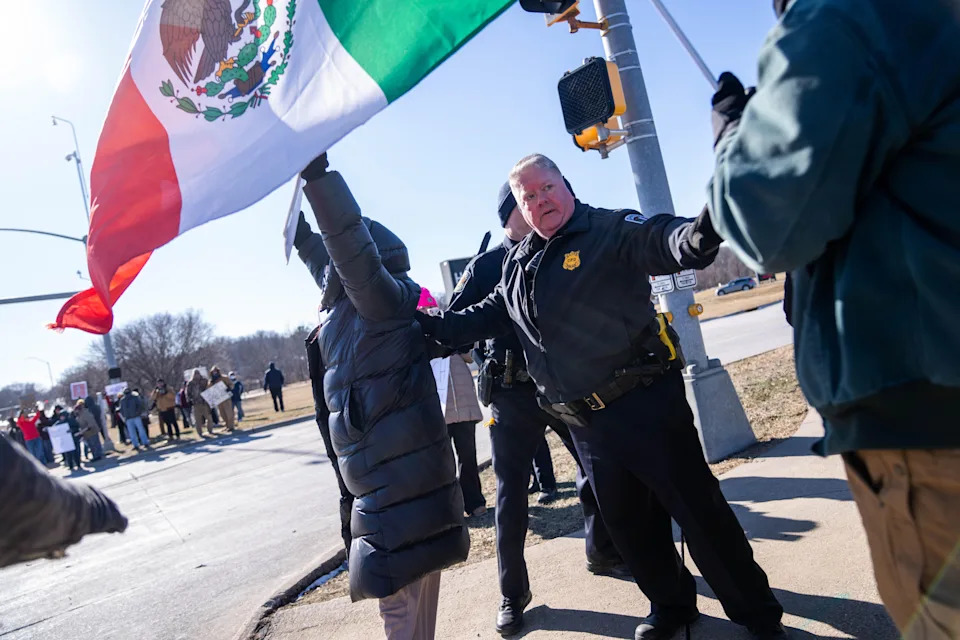
Police move protesters across the street as they rally in opposition to the President's visit to Iowa on Jan. 27, 2026, in Clive, Iowa.(Cody Scanlan, The Register via USA TODAY NETWORK)
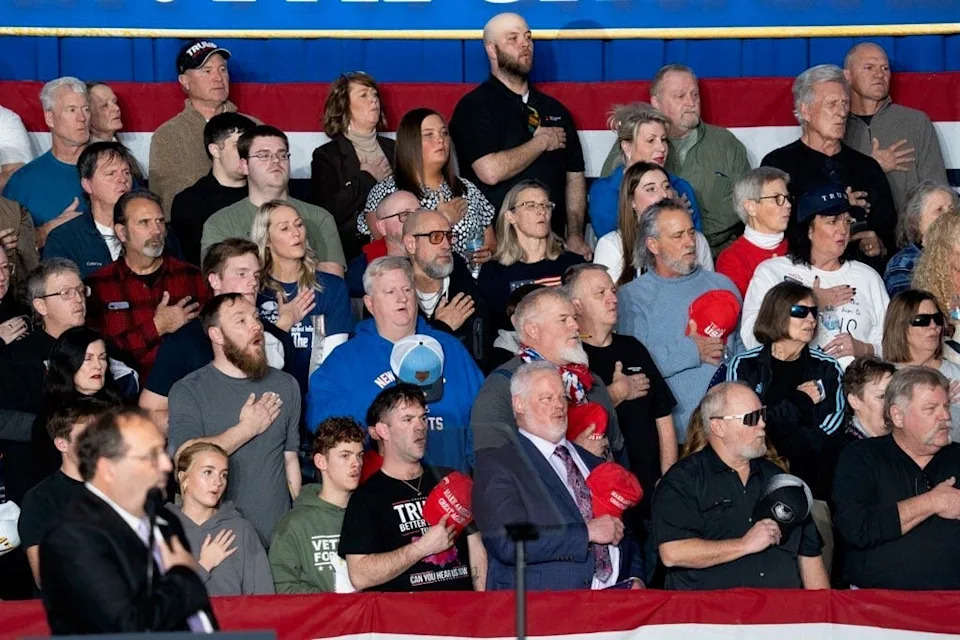
Supporters recite the Pledge of Allegiance ahead of President Donald Trump's speech at Horizon Events Center in Clive on Jan. 27, 2026.(Lily Smith, The Register via USA TODAY NETWORK)
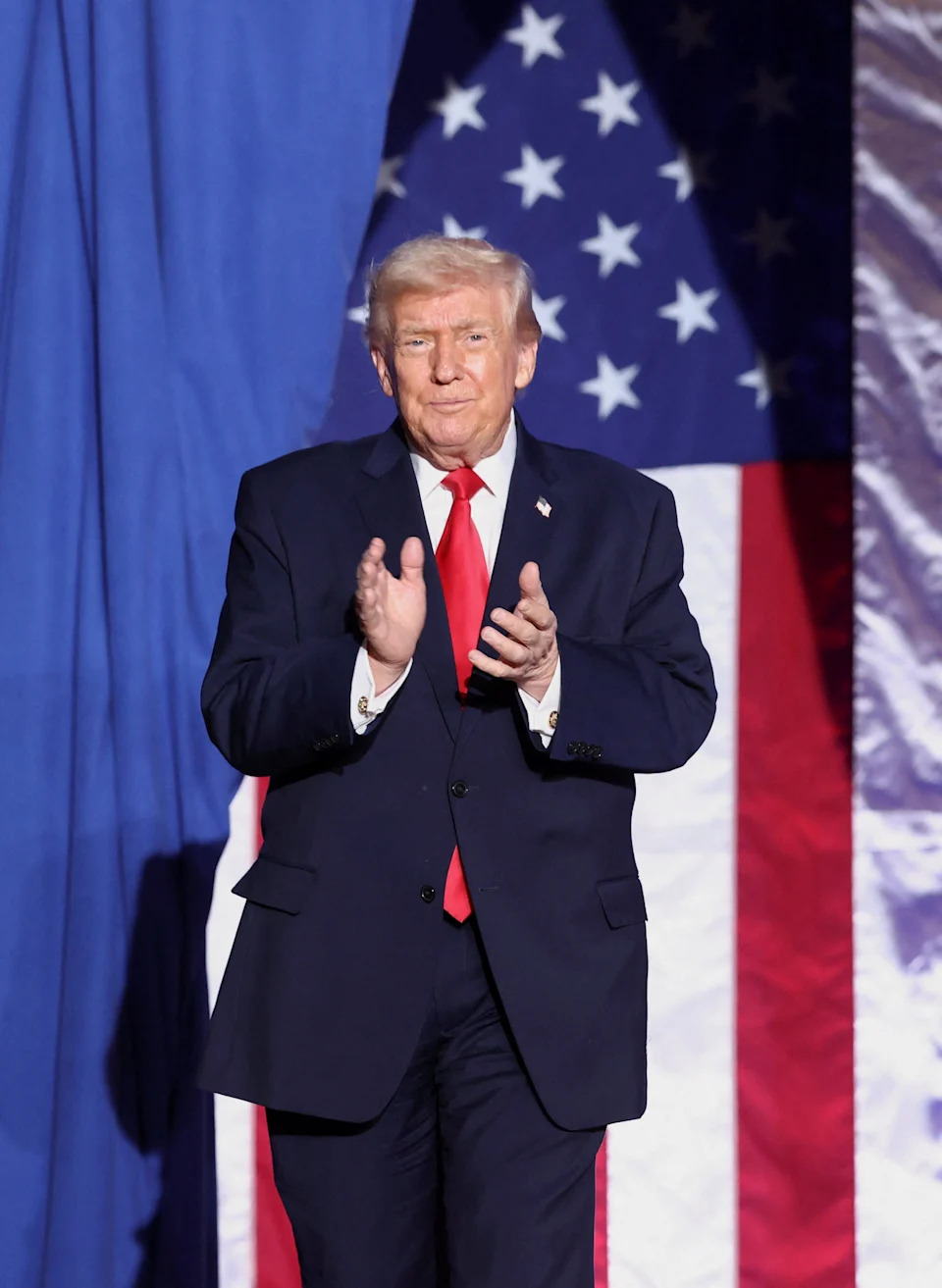
President Donald Trump applauds on the day he delivers a speech on energy and the economy, in Clive, Iowa on Jan. 27, 2026.(Kevin Lamarque, REUTERS)
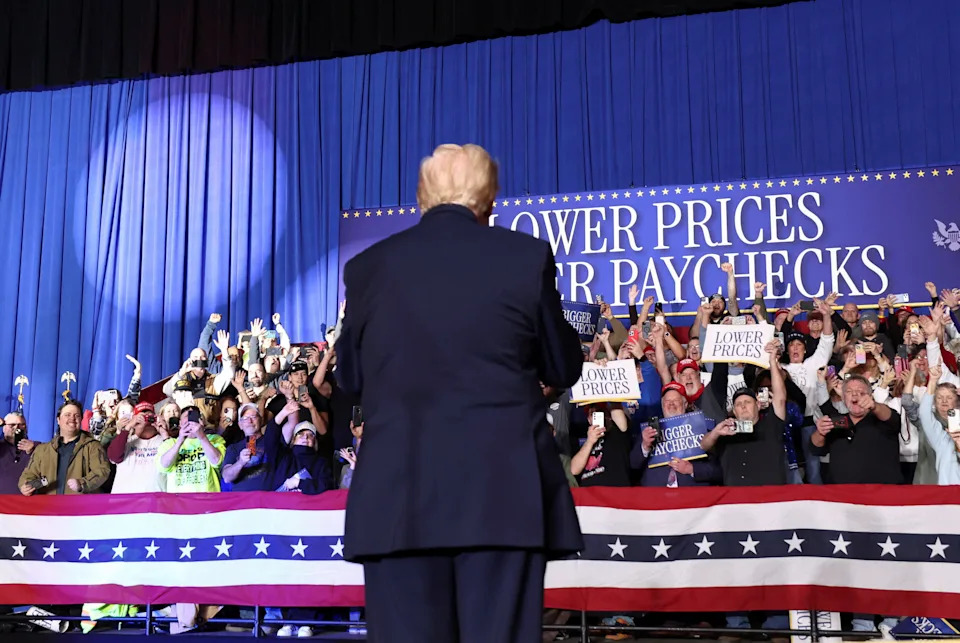
The crowd cheers on the day President Donald Trump delivers a speech on energy and the economy, in Clive, Iowa on Jan. 27, 2026.(Kevin Lamarque, REUTERS)
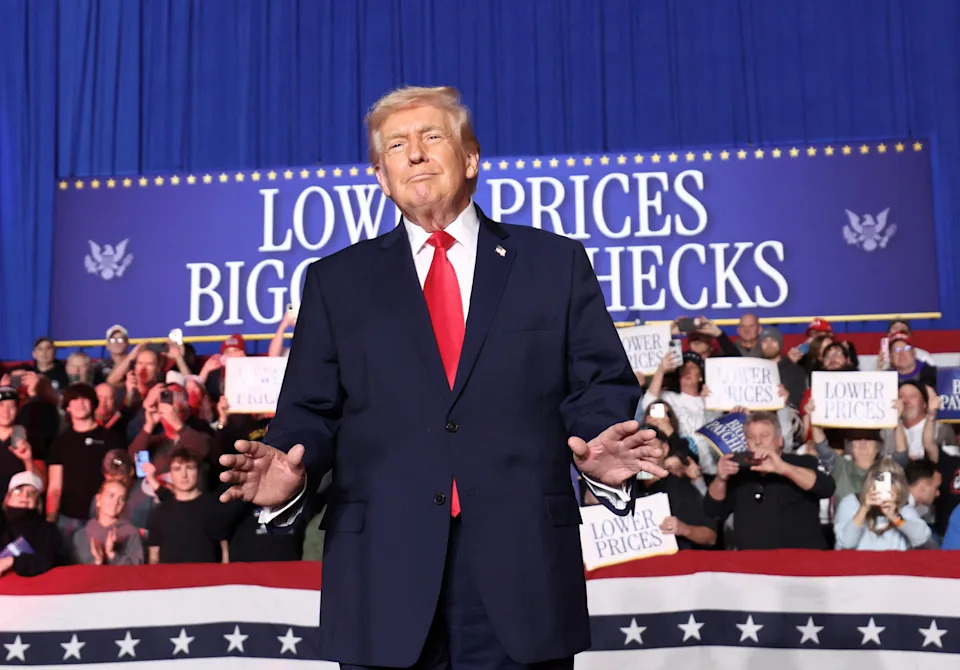
President Donald Trump gestures on the day he delivers a speech on energy and the economy, in Clive, Iowa on Jan. 27, 2026.(Kevin Lamarque, REUTERS)
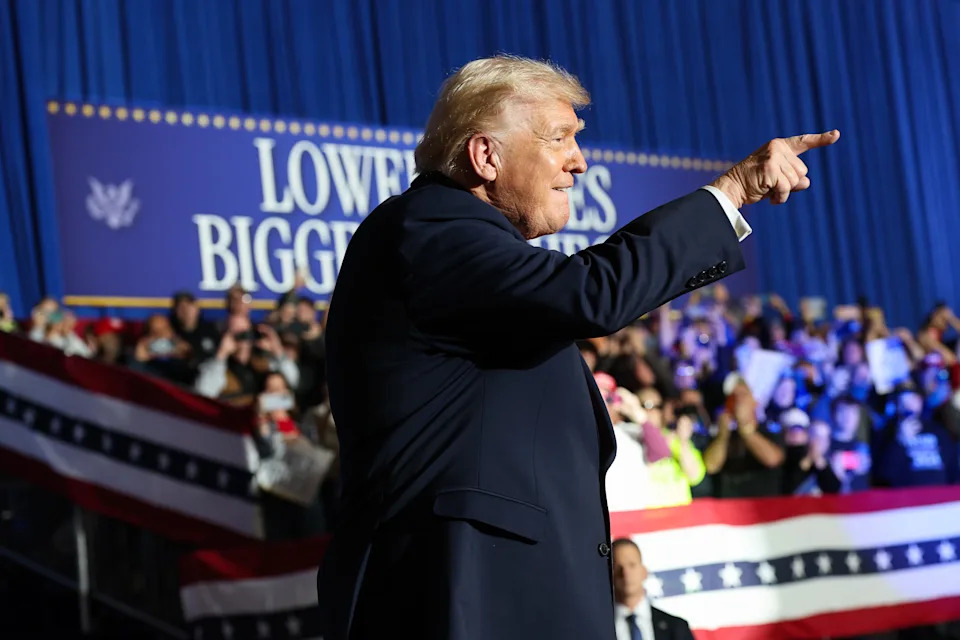
President Donald Trump takes the stage to speak during a rally at the Horizon Events Center on Jan. 27, 2026 in Clive, Iowa. President Trump returns to Iowa for a second time in his second term ahead of the mid-term elections.(Win McNamee, Getty Images)
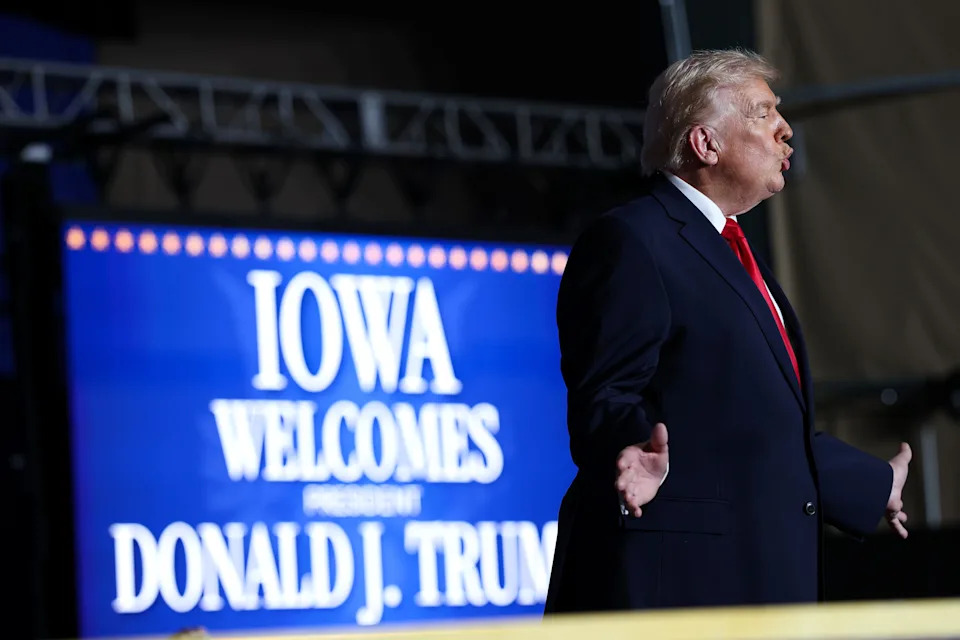
President Donald Trump takes the stage to speak during a rally at the Horizon Events Center on Jan. 27, 2026 in Clive, Iowa. President Trump returns to Iowa for a second time in his second term ahead of the mid-term elections.(Win McNamee, Getty Images)
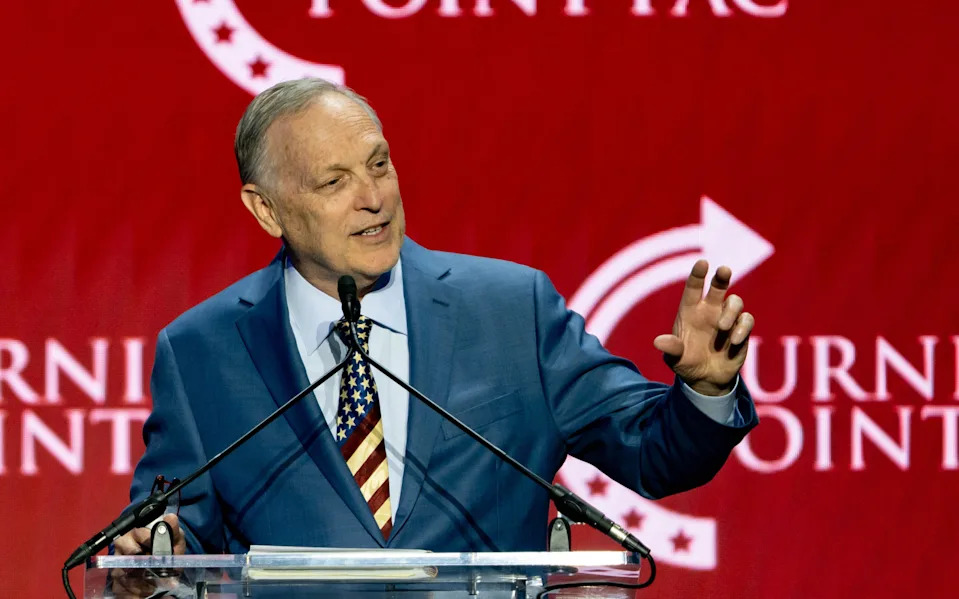
U.S. Rep. Andy Biggs speaks at the Build the Red Wall rally at Dream City Church in Phoenix on April 17, 2026.
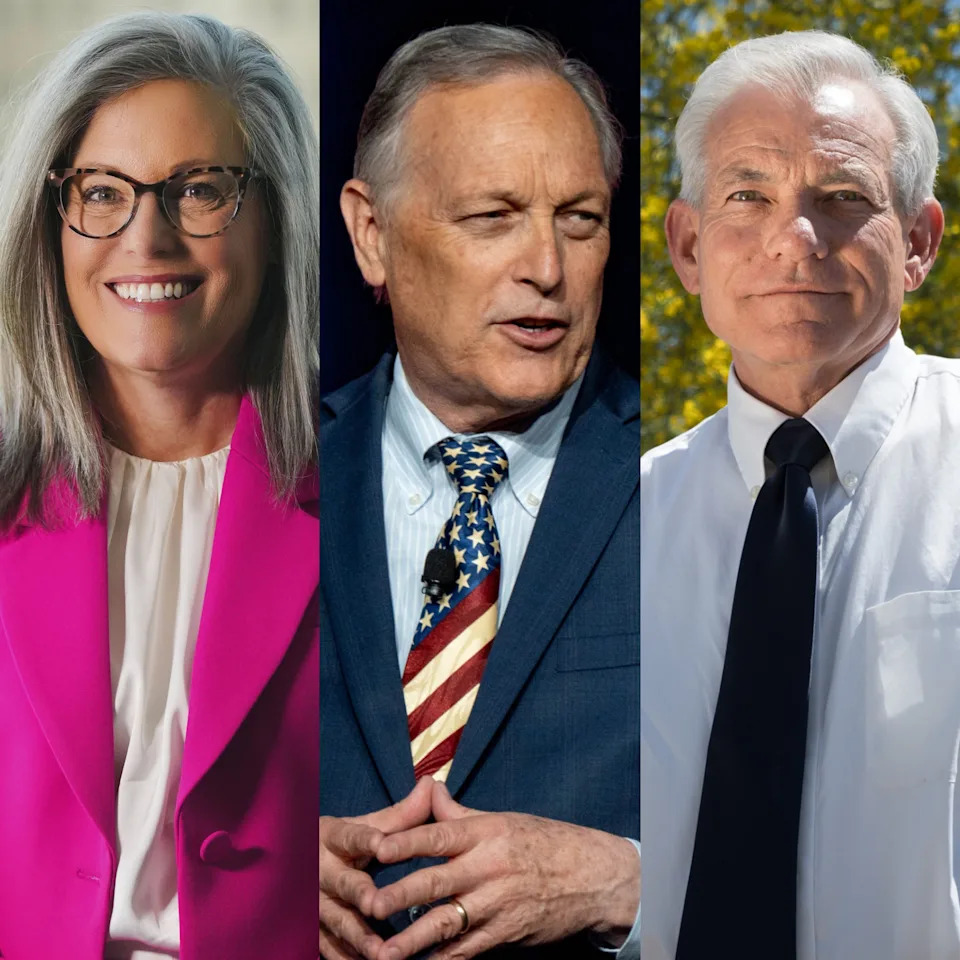
Katie Hobbs, Andy Biggs and David Schweikert
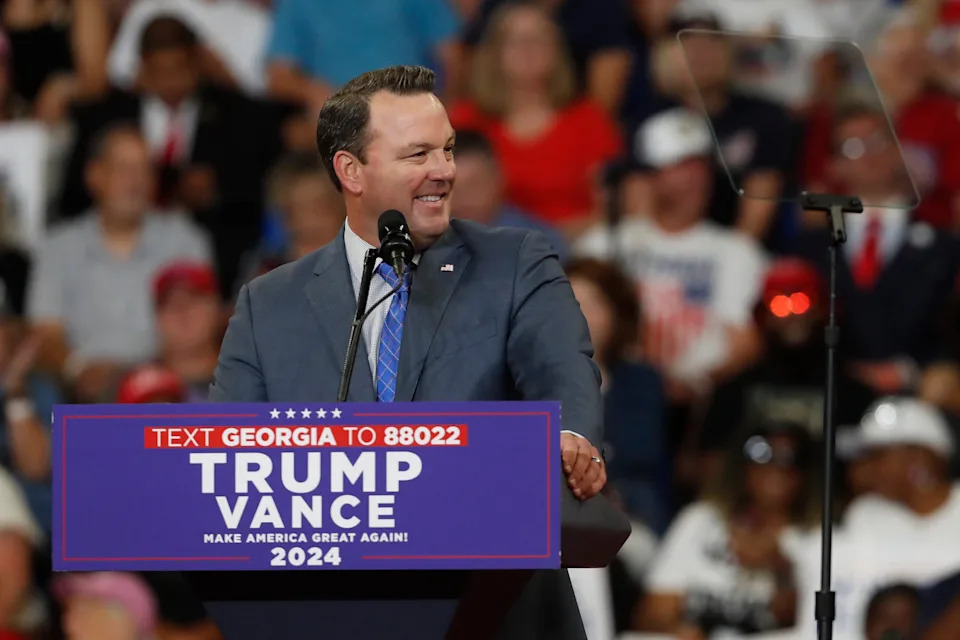
Georgia Lt. Gov. Burt Jones speaks at a rally for former President Donald J. Trump in Atlanta on Saturday, Aug. 3, 2024.
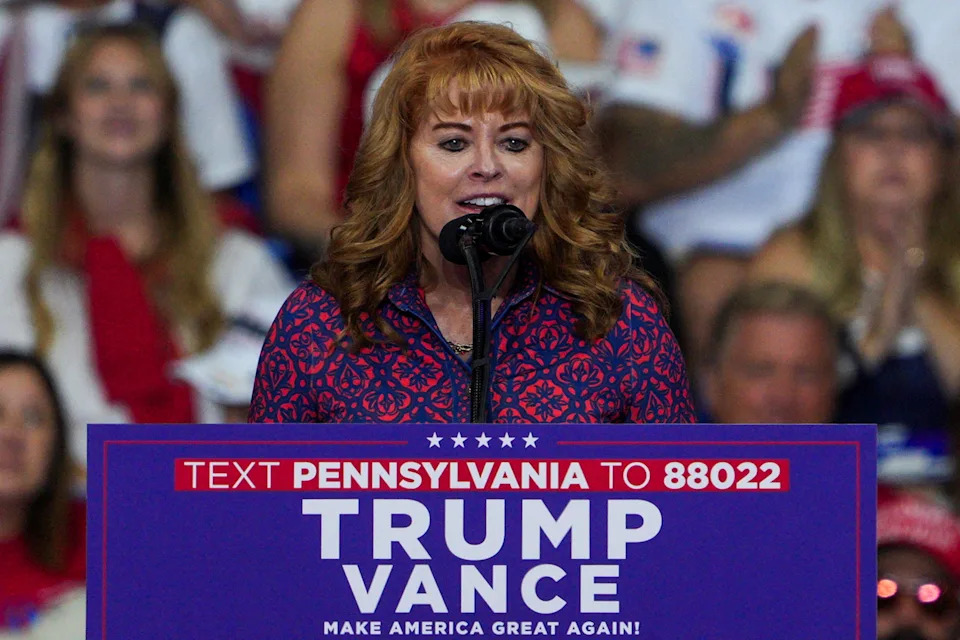
Pennsylvania Treasurer Stacy Garrity speaks during a campaign rally of Republican presidential nominee and former U.S. President Donald Trump in Wilkes-Barre, Pennsylvania, U.S. August 17, 2024. REUTERS/Jeenah Moon
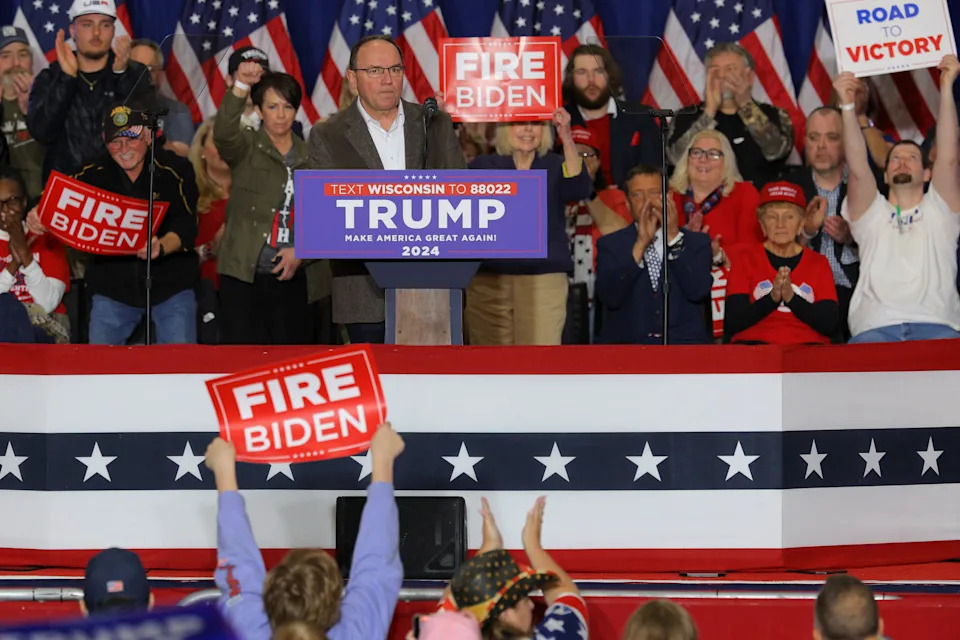
Republican U.S. Rep. Tom Tiffany of Wisconsin attends a campaign rally for Republican presidential candidate and former U.S. President Donald Trump in Green Bay, Wisconsin, U.S., April 2, 2024. REUTERS/Brian Snyder
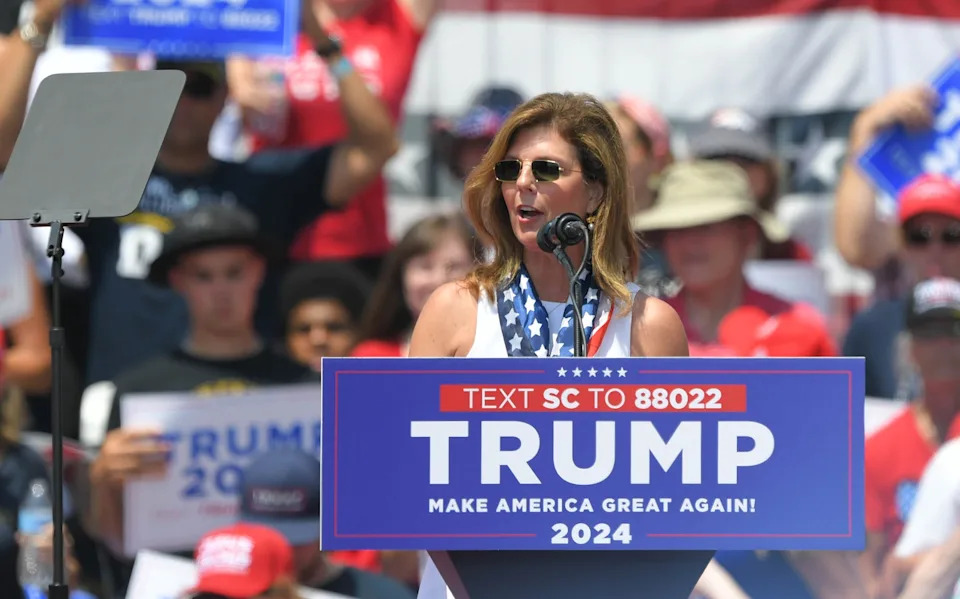
State Lt. Gov. Pamela Evette (R-SC) speaks during the visit of former U.S. President Donald J. Trump on Main Street in downtown Pickens, S.C. Saturday, July 1, 2023.
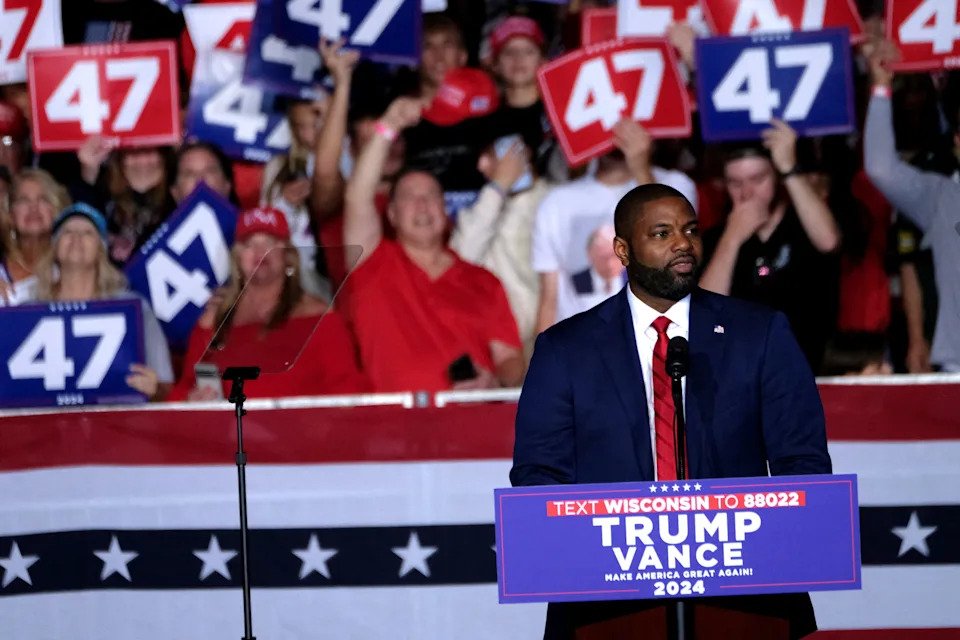
U.S. Representative Byron Donalds (R-FL) speaks during a campaign for Republican presidential nominee and former U.S. President Donald Trump in Green Bay, Wisconsin, U.S. October 30, 2024. REUTERS/Joel Angel Juarez
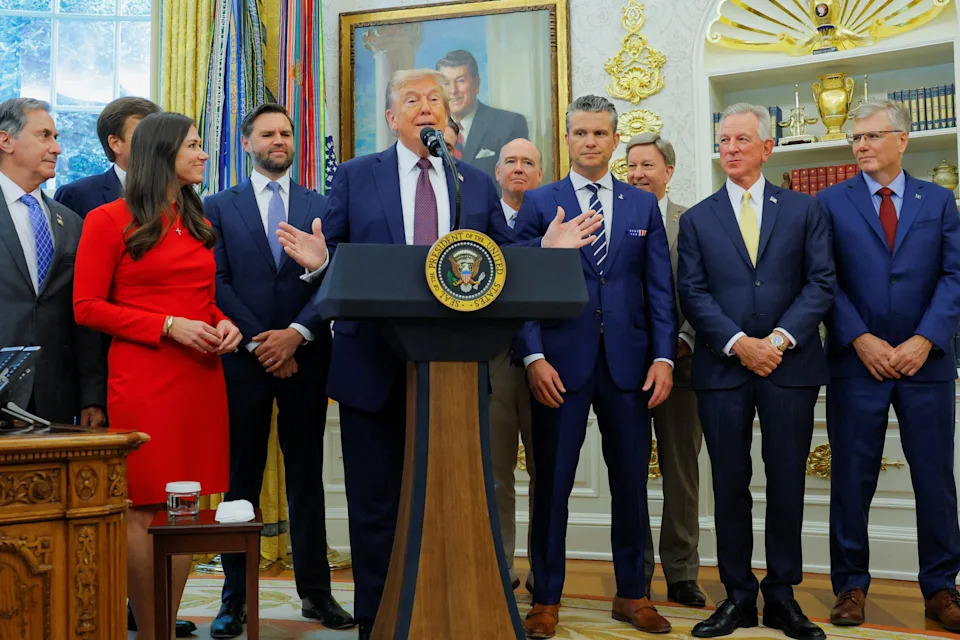
U.S. President Donald Trump, flanked by Representative Gary Palmer (R-AL), Senator Katie Britt (R-AL), Vice President JD Vance, Representative Robert Aderholt (R-AL), Representative Mike Rogers (R-AL), Senator Tommy Tuberville (R-AL), Secretary of the Air Force Troy Meink and Secretary of Defense Pete Hegseth, speaks during an event to announce that the Space Force Command will move from Colorado to Alabama, in the Oval Office at the White House in Washington, D.C., U.S., September 2, 2025. REUTERS/Brian Snyder
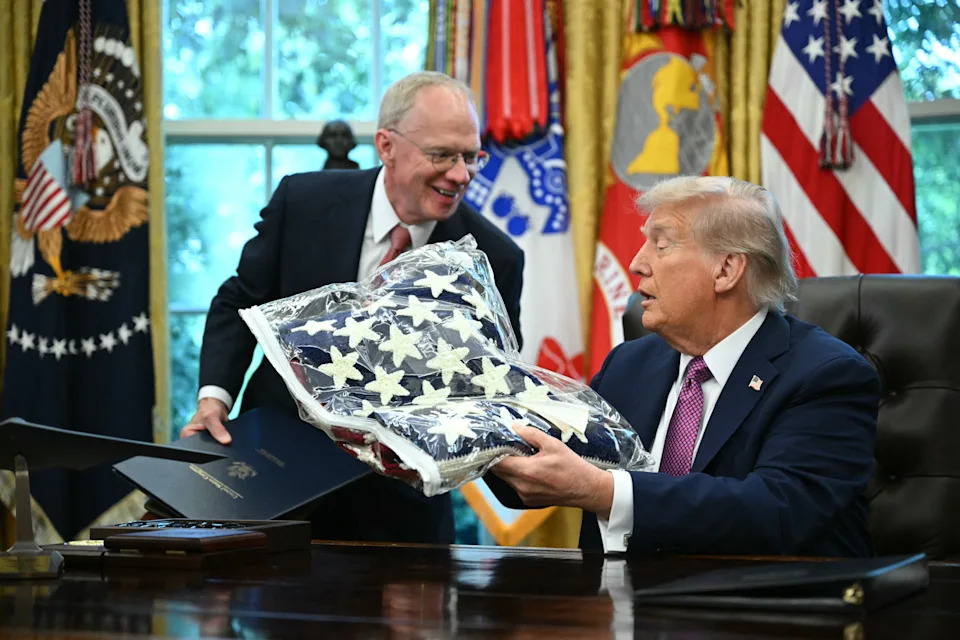
US President Donald Trump (R) receives a flag from US Representative John Rose, Republican of Tennessee, while signing executive orders in the Oval Office of the White House in Washington, DC on September 5, 2025. Trump on Friday signed an order rebranding the Department of Defense as the Department of War, saying it sent a "message of victory" to the world. (Photo by Mandel NGAN / AFP) (Photo by MANDEL NGAN/AFP via Getty Images)
Help us improve.