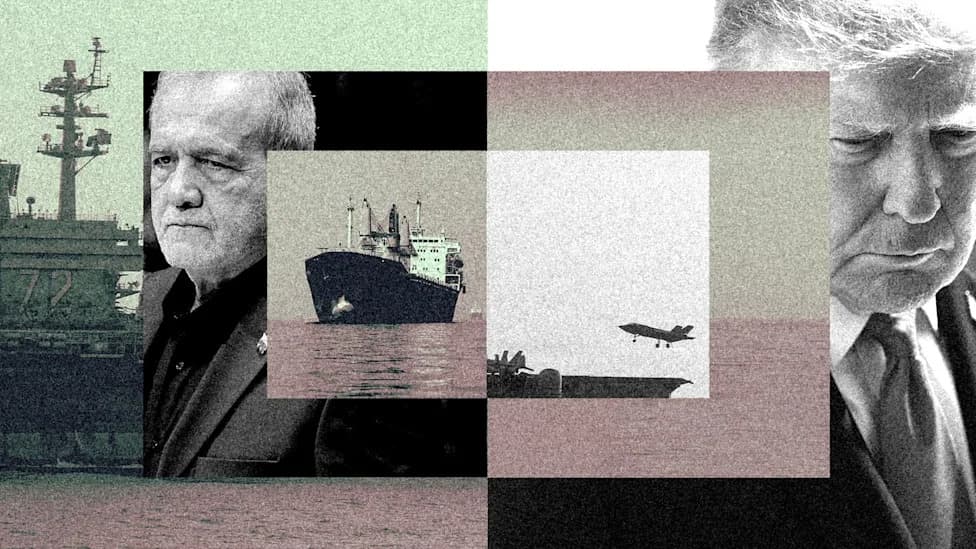
Summary: Several diplomatic moments since late February brought the US and Iran close to a deal, but each unravelled over fundamental differences. Direct talks in Islamabad on April 11–12 failed over nuclear commitments and sequencing. A short‑lived Lebanon ceasefire and a brief reopening of the Strait of Hormuz were undermined by continued Israeli strikes and a US naval blockade. Analysts say partial progress repeatedly stalls when core red lines remain unresolved.
Near‑Misses and Missed Chances: How Many Times Have the US and Iran Almost Reached a Deal?
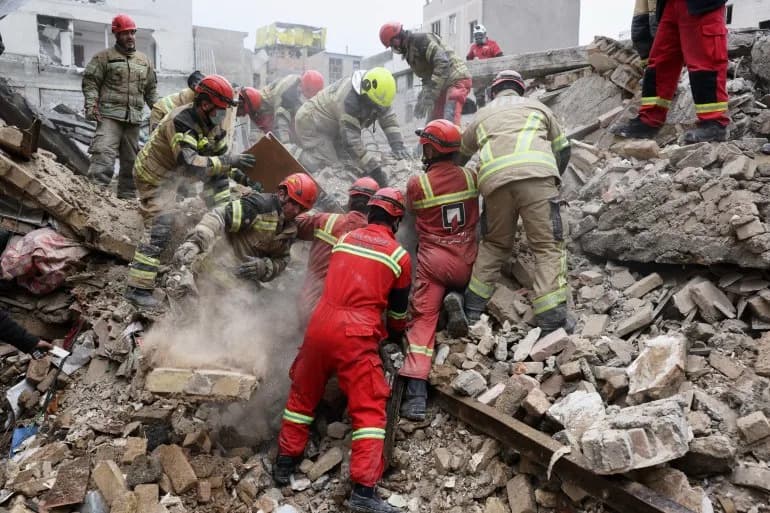
Rescue workers search for survivors in the rubble after a strike in southern Tehran, Iran, March 13, 2026 [Sajjad Safari/AP Photo]
One hundred days after the United States and Israel launched strikes on Tehran on February 28, a lasting peace agreement remains elusive. Several episodes since then have brought Washington and Tehran close to a deal — only for core differences to undo progress.
Islamabad Talks — April 11–12
On April 11–12, US and Iranian delegations met in Islamabad for the first direct talks between the two countries since 1979. The US team was led by Vice President JD Vance and included Special Envoy Steve Witkoff and Jared Kushner. Iran's delegation featured Foreign Minister Abbas Araghchi, Parliament Speaker Mohammad Bagher Ghalibaf, and senior negotiator Ali Bagheri Kani.
Before the talks, Ghalibaf had said Iran required an Israeli ceasefire in Lebanon and the unfreezing of Iranian assets abroad as non‑negotiable conditions. Pakistan's prime minister called the meeting 'a make‑or‑break moment for lasting peace.'
Why the talks faltered
Negotiators discussed extending the meeting, but the US delegation concluded after roughly 21 hours. Vice President Vance said that while discussions had been substantive, no agreement had been reached and Tehran had refused what Washington described as its 'final and best offer.' A central sticking point was a US demand for a clear, long‑term commitment that Iran would not seek a nuclear weapon.
Iran holds an estimated 440 kg of uranium enriched to 60 percent — far above civilian power levels (3–5 percent) and at a stage from which moving to weapons‑grade enrichment (about 90 percent) is substantially faster. Tehran insists its program is civilian, while the US, Israel and other Western governments want restrictions and the transfer or neutralization of this stock.
Aftermath: Naval Blockade
Within four days of the Islamabad talks collapsing, Washington announced a naval blockade of shipping to and from Iranian ports intended to limit Tehran's oil revenue. That escalation undercut diplomatic momentum and heightened tensions.
Lebanon Ceasefire Hopes — April 16
On April 16, the US administration announced a 10‑day pause in hostilities between Israel and Lebanon to allow talks toward a longer security arrangement. Iran has repeatedly signalled that halting Israeli operations in Lebanon — where its ally Hezbollah has been fighting — is a prerequisite for any broader agreement.
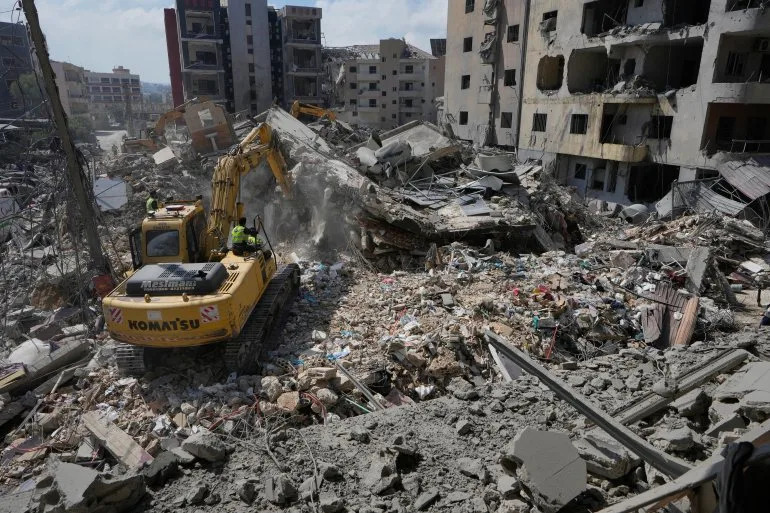
Rescue workers use an excavator to search for victims under the rubble of a building hit in an Israeli air raid in the southern port city of Tyre, June 2, 2026 [Mohammed Zaatari/AP Photo]
The cost in Lebanon has been severe: since March 2, more than 3,000 people were reported killed and more than one million displaced.
Why hopes faded
Despite the announced pause, Israeli strikes on Lebanon continued. Humanitarian groups estimated hundreds of deaths in the month after the truce was declared. Analysts say irreconcilable 'red lines' — particularly Iran's insistence on security guarantees for Lebanon — repeatedly prevented a broader deal.
Strait of Hormuz Episode — April 17
The day after the Lebanon pause was publicised, Iran's Abbas Araghchi posted that the Strait of Hormuz would be 'completely open' for commercial vessels during the ceasefire period, and US posts echoed the claim that passage was functioning. The strait, which previously carried about 20 percent of the world's oil and LNG, became a prominent bargaining point.
Since early March, Iran had restricted transit and required arrangements with the Islamic Revolutionary Guard Corps; some vessels reportedly paid large sums to pass. Iran proposed charging transit fees in earlier talks — an idea Washington rejected.
Why the opening collapsed
Despite public assurances, the US maintained its naval restrictions, saying blockades would remain until Iran accepted terms to end the war. Iran responded that if its own vessels were barred, no foreign ships would be allowed through; it has since fired on or seized some foreign‑flagged ships attempting transit. The standoff underscored competing goals: Iran seeks leverage over the strait, while the US and many shipping states want a return to unthreatened navigation and refusal to pay fees to Tehran.
June Developments — Tensions Persist
On June 1, President Trump spoke with Israeli Prime Minister Benjamin Netanyahu after Israeli forces captured Beaufort Castle near Nabatieh in southern Lebanon. Reports suggested Trump rebuked Netanyahu; some hoped the US might press Israel to halt operations and revive talks. Instead, Israeli strikes continued, including attacks in Naqoura and Doueir, and forced‑displacement orders were issued for several southern Lebanese towns.
Conclusion
Across multiple episodes, negotiations advanced on certain issues while core disputes — nuclear commitments, sequencing of concessions, the fate of high‑enriched uranium, Israeli operations in Lebanon, and control of the Strait of Hormuz — remained unresolved. Analysts characterise the pattern as familiar: progress on peripheral points, deadlock on decisive ones, converting near‑agreements into missed opportunities for peace.
Key takeaway: Each near‑deal collapsed when core red lines — notably Iran's nuclear stockpiles and security guarantees for Lebanon and maritime access — were left unresolved or reversed by subsequent military and economic measures.
Help us improve.