Cake sheds — small honesty-box stalls selling home-baked goods — have become a growing British trend, with some owners earning up to £1,000 a week. Social media has helped drive demand and large online communities have formed. However, councils in parts of England are reviewing street trading rules and some have proposed licence fees of £1,000–£3,000, which owners say could force many to close. A Bassetlaw council paused enforcement after community backlash while it reconsiders its policy.
Cake Sheds Bring Bakers Up to £1,000 a Week — Council Licence Review Threatens the Trend
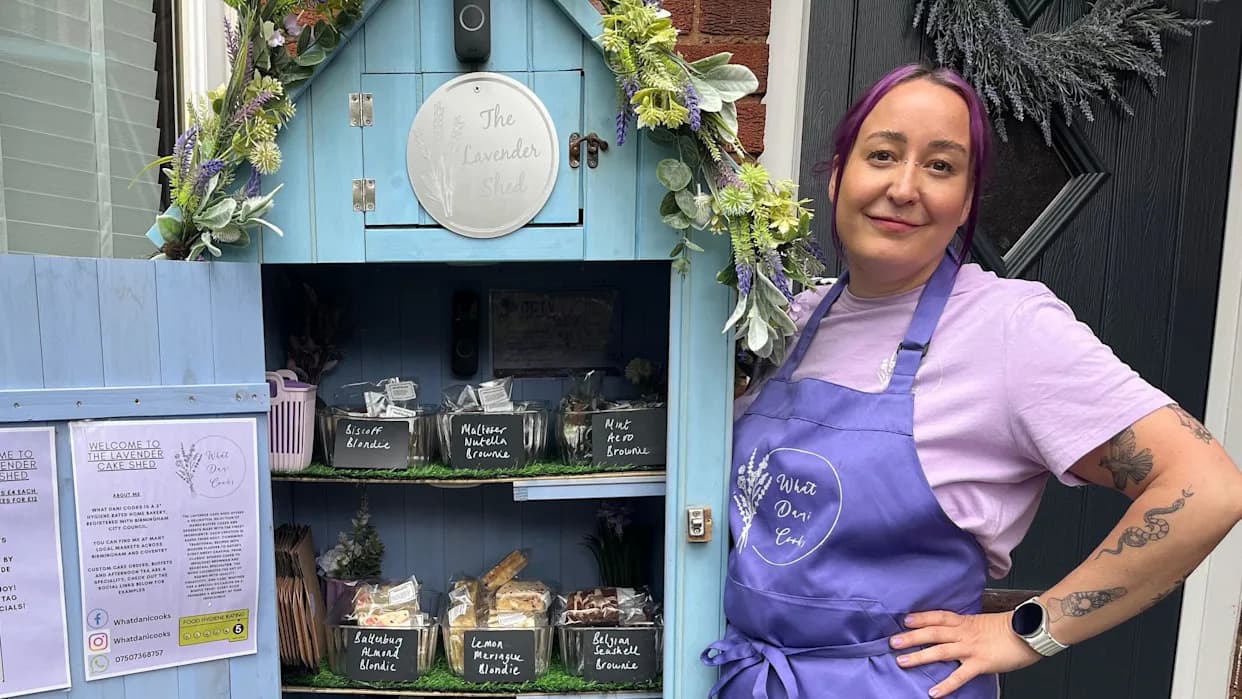
Danielle Edgington's cake shed has been so popular, she quit her full-time job to dedicate time to it [BBC]
Cake sheds — small, honesty-box stalls stocked with home-baked treats — have become an increasingly familiar sight across Britain, popping up in front gardens, on driveways and by the roadside.
Why They're Growing
Piled with cookies, brownies, sprinkle cakes and lemon drizzle, these cupboard-like stalls offer convenience, nostalgia and a sense of community. Many bakers use them as a low-overhead side hustle; for some, like Danielle Edgington in Kings Heath, Birmingham, demand has grown so high that the shed became a full-time business.
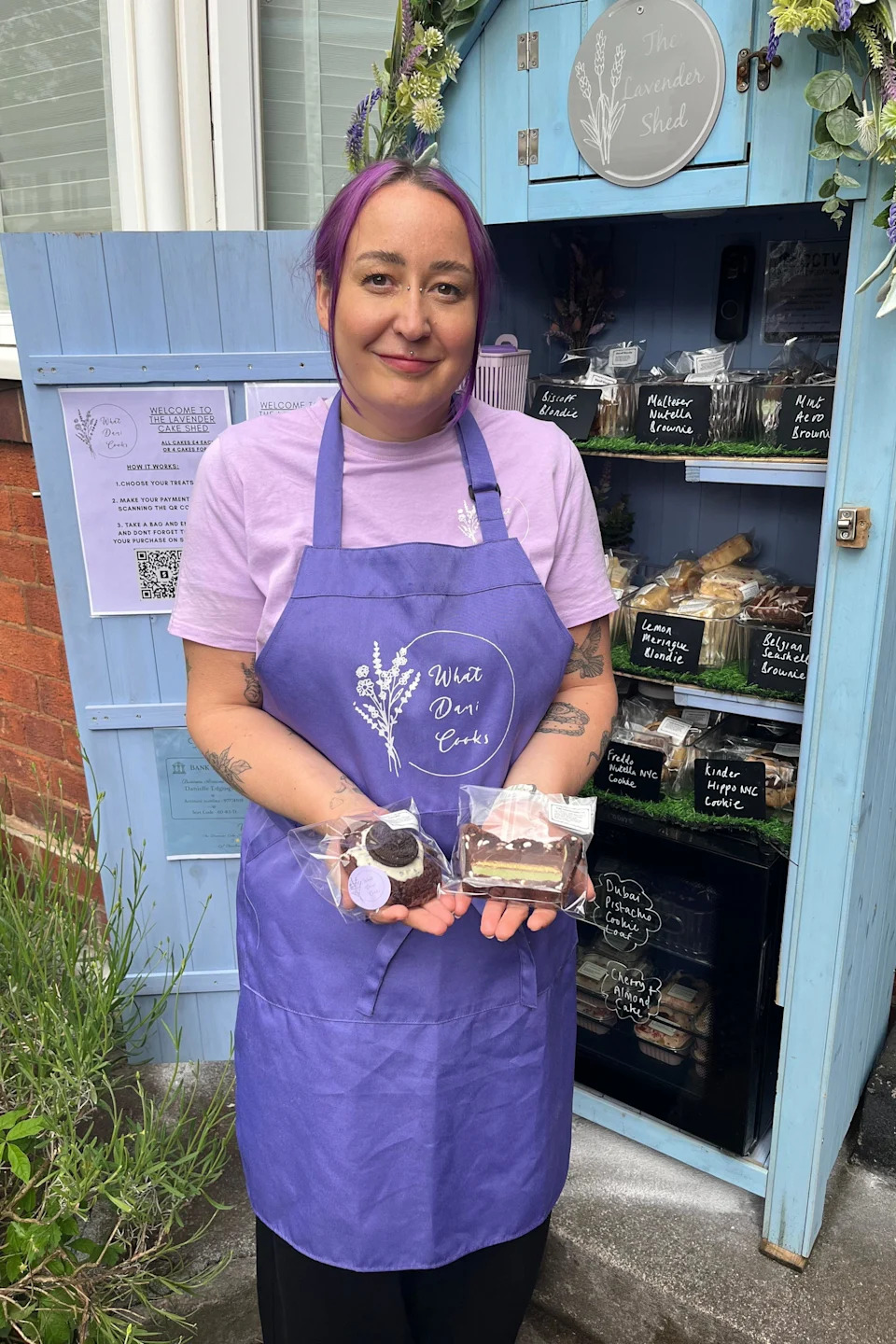
Danielle is hoping her cake shed will continue to thrive [BBC]
Danielle, who started selling baked goods during the Covid pandemic, says her Lavender Cake Shed now earns between £500 and £1,000 a week. She credits part of her success to social media — customers check her TikTok and travel from neighbouring towns such as Redditch and Solihull to queue at her suburban road.
Mother-of-two Charley Coleman-Pollard runs Something Different's Cake Shed in Castlethorpe, Milton Keynes, as an extension of an eight-year baking business. She opens on weekends to balance childcare, reinvesting profits back into the shed to keep prices fair for local customers.
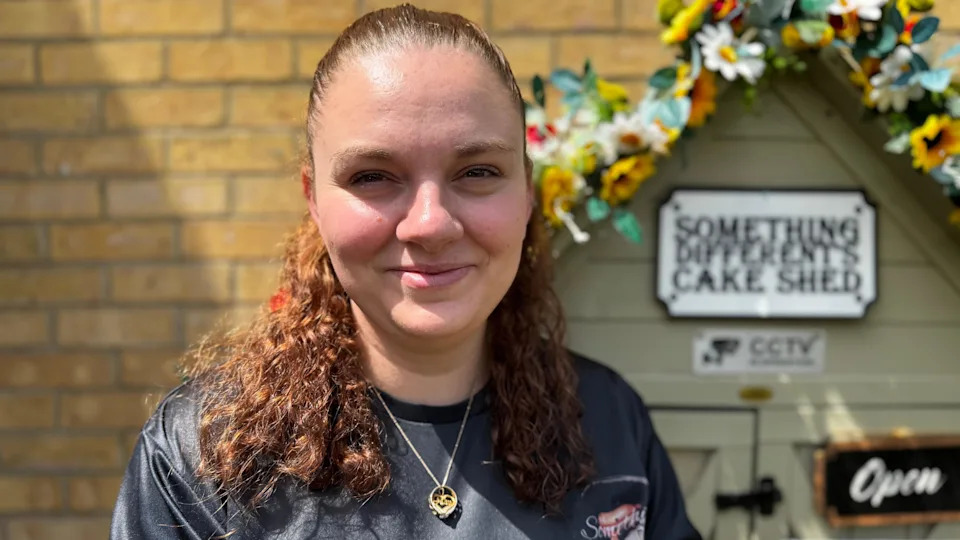
Charley Coleman-Pollard says she likes to give something back to her community [BBC]
Community and Growth
Online communities around cake sheds have exploded: one group reported adding up to 400 new Facebook members a week. Owners say the sheds create small rituals for neighbourhoods — picking up a weekend treat, sharing favourites and supporting local makers.
Legal And Regulatory Questions
As the movement expands, some councils in England are reviewing whether these stalls fall under street trading rules. The Local Government (Miscellaneous Provisions) Act states that selling or offering for sale in a street usually requires a street trading licence or consent.
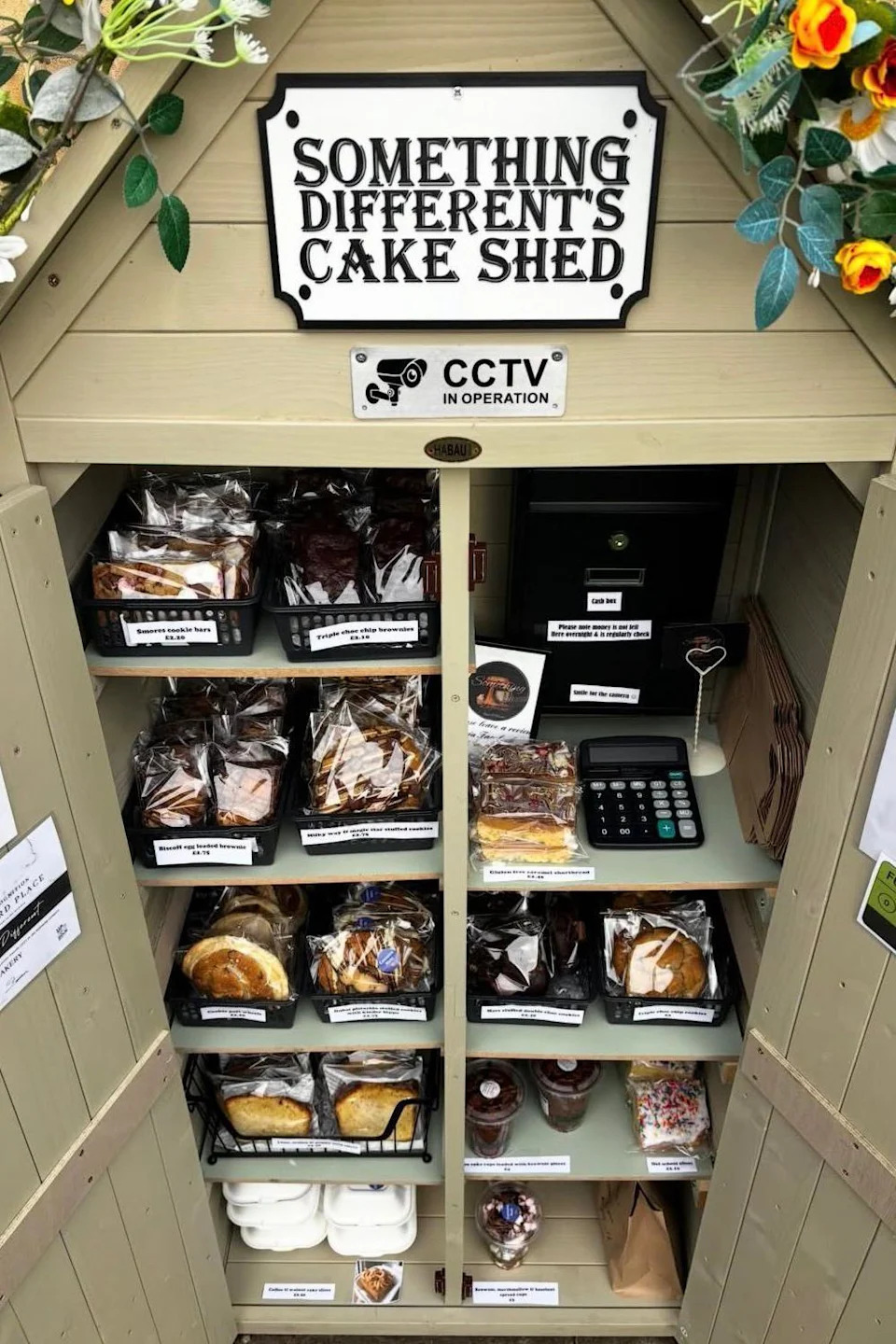
Something Different's Cake Shed sells out quickly every week [BBC]
Practical steps commonly advised for anyone considering a cake shed include:
- Registration: Contact your local council to check whether the shed needs to be registered or licensed.
- Health & Safety: Environmental health inspections, food safety training and allergen labelling may be required; ratings can be assigned after inspection.
- Insurance: Obtain appropriate public and product liability insurance to protect customers and the business.
Case Study: Bassetlaw Pause
In Nottinghamshire, officials in Bassetlaw told several cake shed owners they needed a street trading licence — potentially costing more than £1,000 — or faced similar fines. Heather Price of The Retford Bakeshed was among eight traders who received enforcement notices and described being "flabbergasted." After community backlash the council paused enforcement while it reviews policy and prepares a further report.
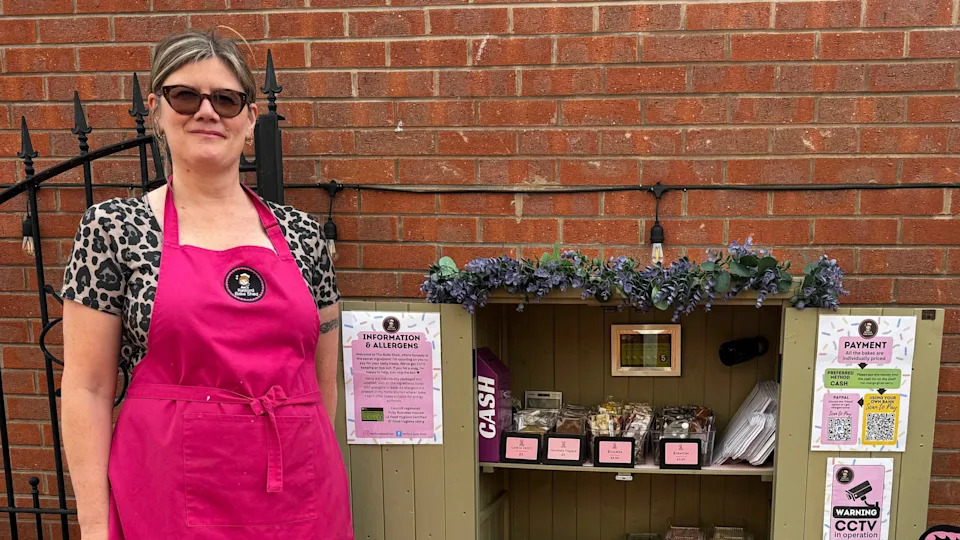
Heather Price said she was "flabbergasted" to get the council letter [BBC]
Owners warn that licence fees in the range of £1,000–£3,000 would be unaffordable for many smaller operators and could force them to close. Danielle says she has registered her business and holds a Level 3 food safety and hygiene certificate; she has contacted Birmingham City Council for clarification on whether a street trading licence will be required.
What This Means For The Future
The cake shed movement has created new income streams, flexible work for many parents and a popular local amenity. But with councils reconsidering how the stalls should be regulated, the future is uncertain: some owners may absorb licence costs, while others could be priced out.
For now, many cake shed operators continue to trade while awaiting clearer guidance from local authorities.
Help us improve.