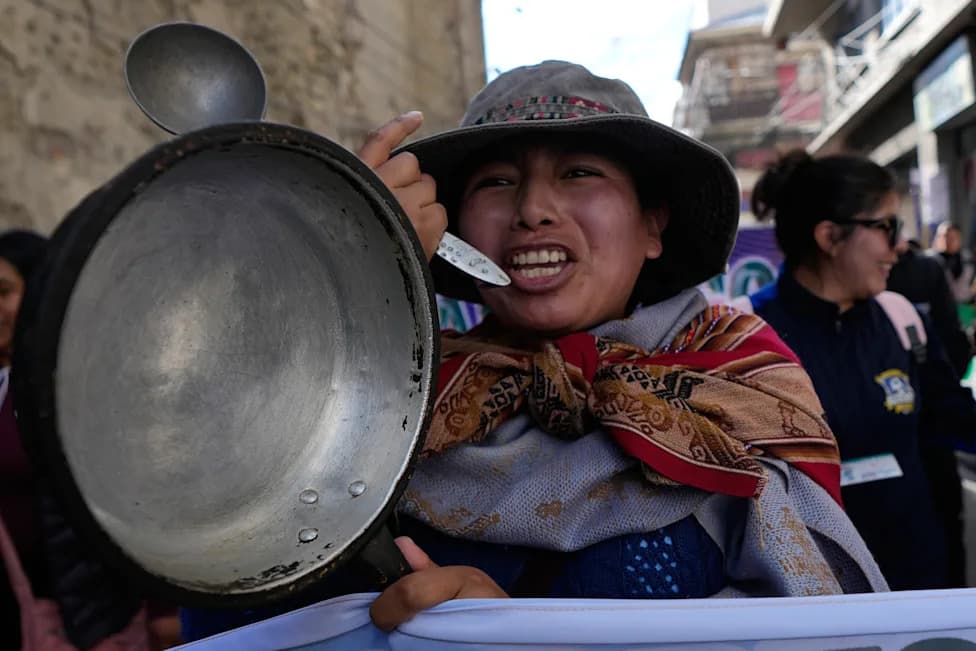
Riot police moved into San Julián to break a road blockade as rural workers demanded President Rodrigo Paz resign, part of around 100 protests that have disrupted Bolivia for about a month. Authorities used tear gas to disperse demonstrators while the government defended its decision to clear key routes. Washington has publicly backed Mr Paz, offering emergency assistance and accusing some protest backers of links to organised crime — an allegation that remains contested. The unrest follows unpopular economic reforms, notably the removal of fuel subsidies, which have driven up living costs.
Riot Police Break Up Roadblocks as Bolivia Protests Over President Paz Intensify
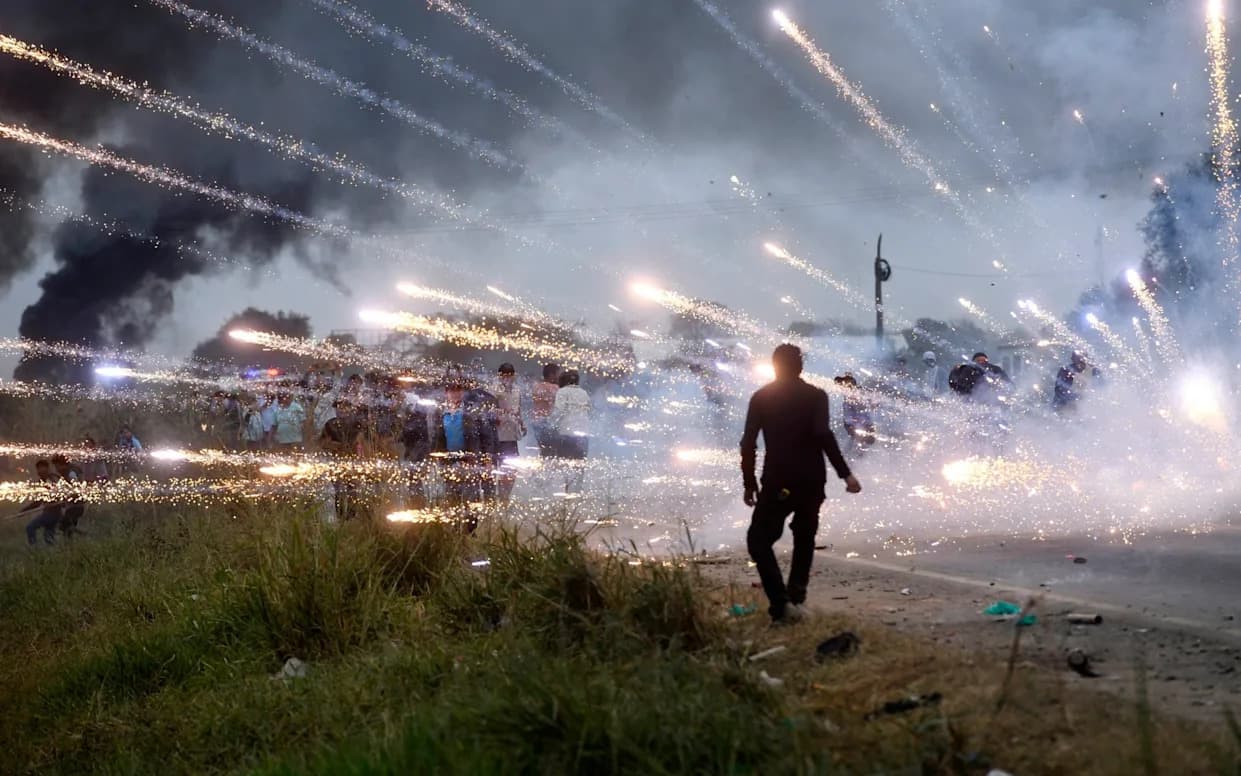
Anti-government demonstrators clash with police in Bolivia - Rodrigo Urzagasti/AFP
Riot police were deployed on Saturday to clear a major road blockade in San Julián as rural workers staged one of roughly 100 nationwide protests pressing Bolivian President Rodrigo Paz to resign.
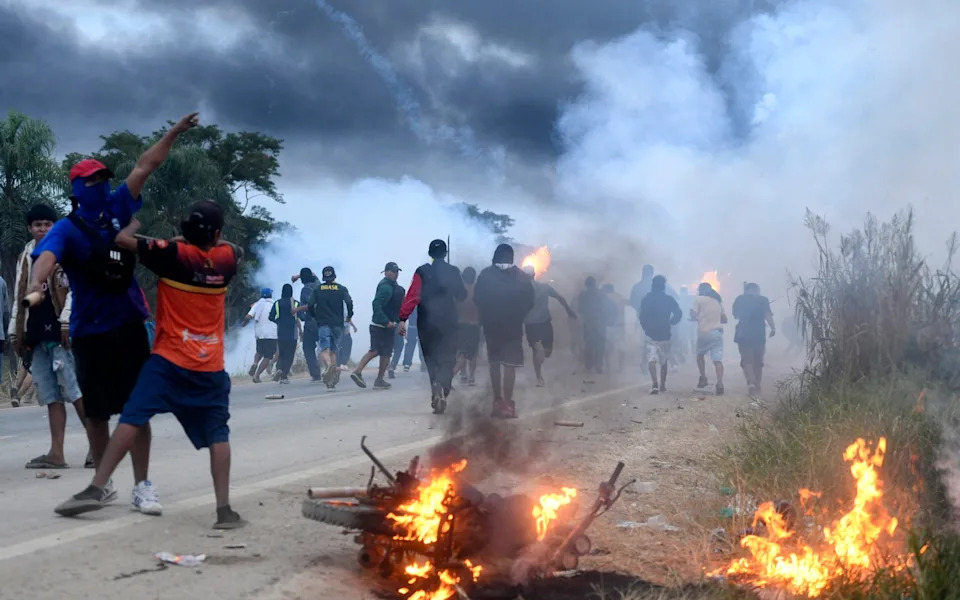
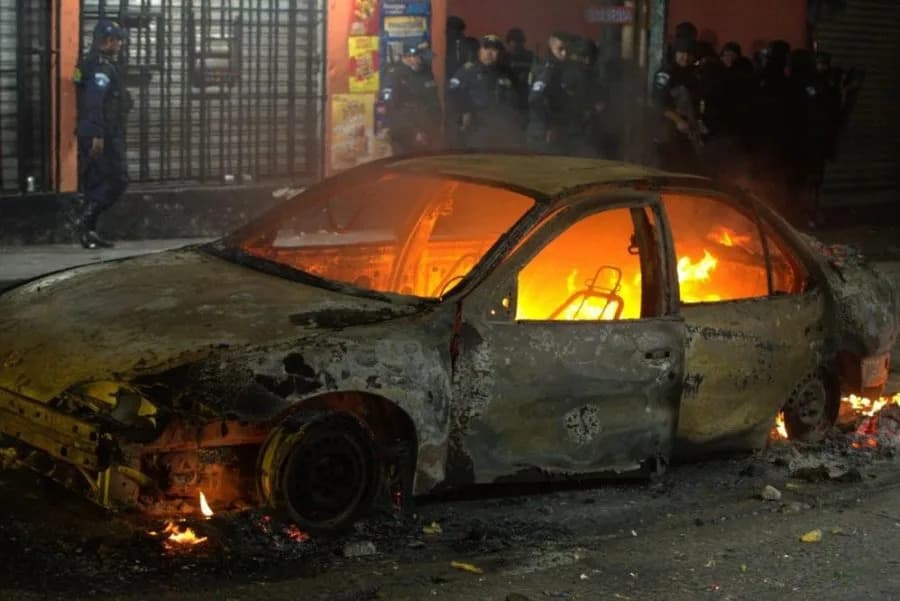
A motorcycle burns near anti-government demonstrators during a blockade in San Julian, Bolivia - Rodrigo Urzagasti/AFP via Getty Images
Dozens of officers arrived in military-style vehicles and used tear gas in attempts to disperse demonstrators who had been blocking transport routes for several days. The action in San Julián was part of a wave of blockades that organisers say have paralysed large parts of the country for about a month.
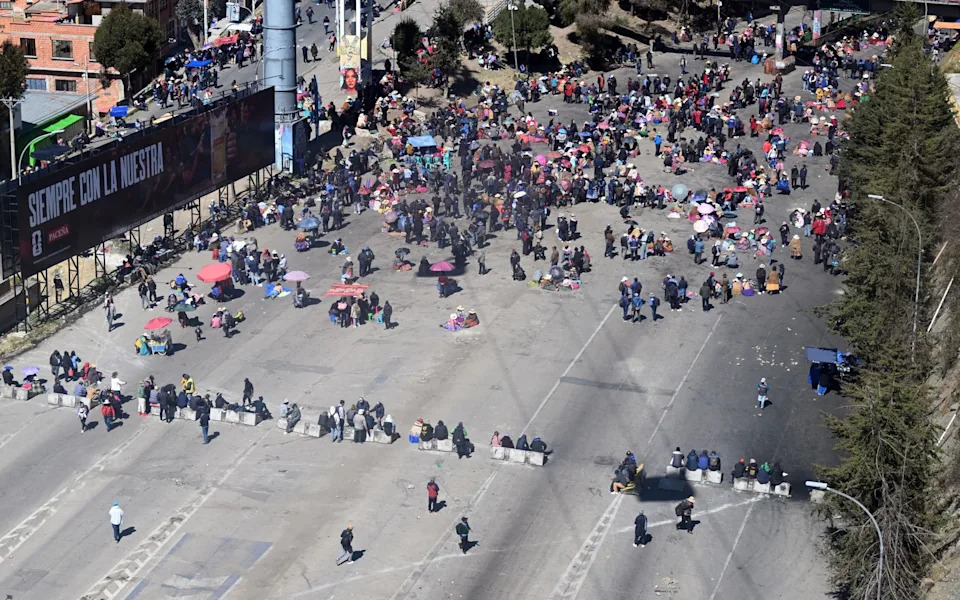
Protesters blockade a road during days of political tensions - Marvin Recinos/AFP via Getty Images
President Paz, a centre-right leader who took office in November with strong support from Washington, has introduced sweeping economic reforms since assuming power. His government eliminated long-standing fuel subsidies, a move officials say will improve supply and quality but which critics say caused sharp petrol price increases and contributed to inflation and a worsening cost-of-living crisis.
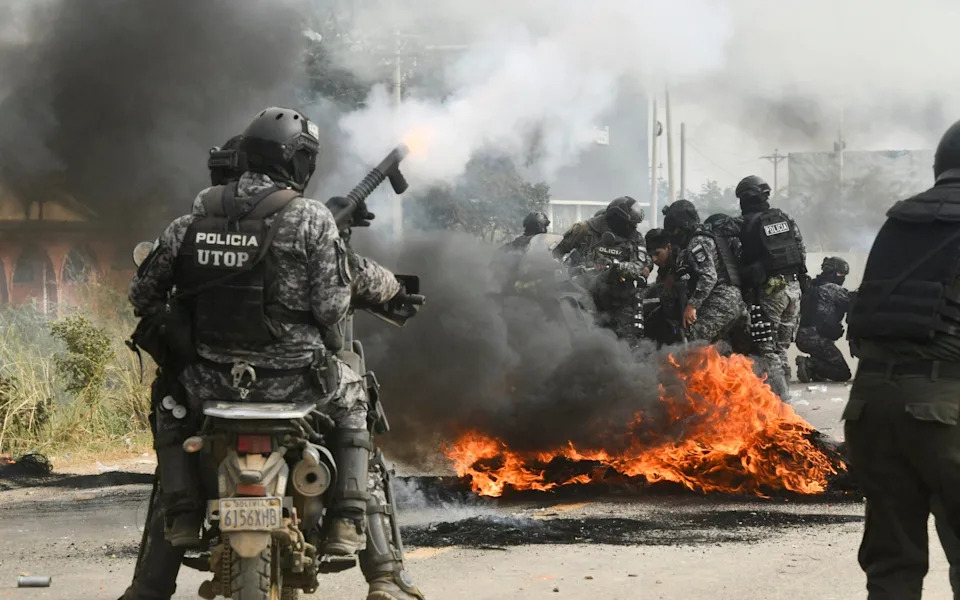
Police officers clash with demonstrators in an operation to clear the road blockade - Rodrigo Urzagasti/AFP via Getty Images
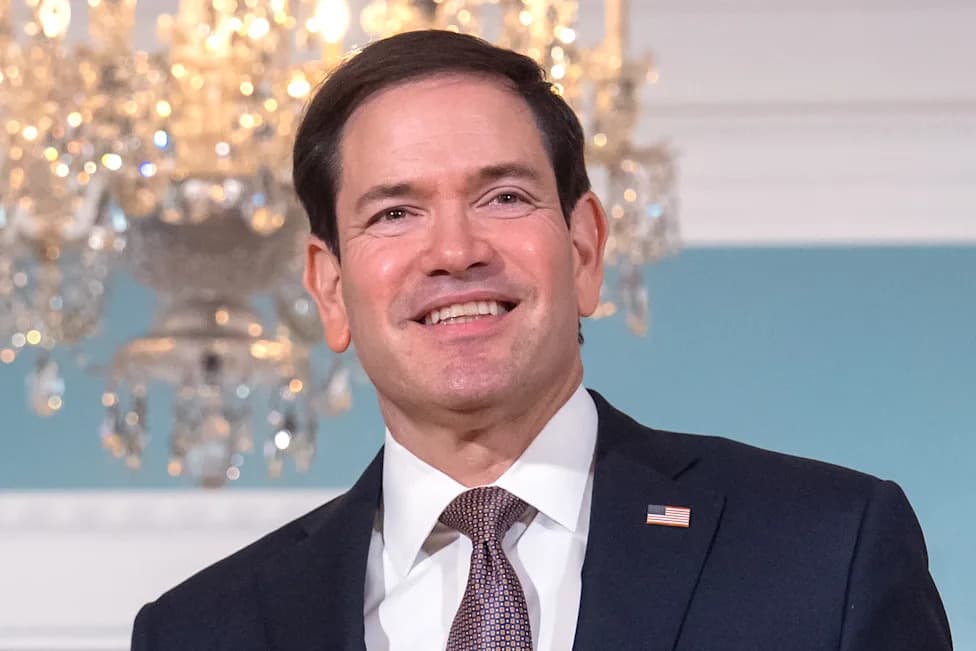
The White House publicly expressed support for Mr Paz this week and warned against attempts to destabilise his government. US Senator Marco Rubio reportedly spoke with the Bolivian president and said Washington was "ramping up emergency assistance and logistics operations support." Conservative commentator Pete Hegseth also condemned what he described on X as "attempts to overthrow the legitimate government," writing that "the United States is watching" and vowing to deter narcotics-linked violence in the region.
Mr Paz’s victory late last year marked a diplomatic reset between Bolivia and the United States after two decades of leftist rule. He has welcomed a tougher regional stance on drug trafficking — Bolivia is consistently listed among the world’s largest producers of coca leaf, the raw material for cocaine, behind Colombia and Peru.
The US-led "Shield of the Americas" anti-drug coalition, launched in March and including Argentina, Bolivia and Chile, publicly backed President Paz on Friday. In a statement, the coalition alleged that some protests were being financed "with dirty money from drug trafficking and transnational crime." The claim has been disputed by some protest leaders and has not been independently verified.
Outlook: Tensions remain high. The government faces the challenge of restoring order and transport links while addressing the deep public anger over rising prices and the social impact of rapid economic changes.
Note: Reporting contains statements from both government and opposition actors; some allegations of criminal funding remain unproven and are contested by demonstrators.
Help us improve.