Prediction markets like Polymarket and Kalshi convert trading demand into probability prices and have grown rapidly as venues for science-related bets. They can reveal public sentiment and sometimes align with expert forecasts (for example on climate probabilities), but they are not substitutes for scientific models, peer review or specialist judgement. Risks include manipulation, insider trading and poor domain knowledge among traders, so markets are most useful as one signal among many when assessing scientific risks.
Can Prediction Markets Forecast The Future Of Science? What Polymarket And Kalshi Get Right — And Where They Fall Short

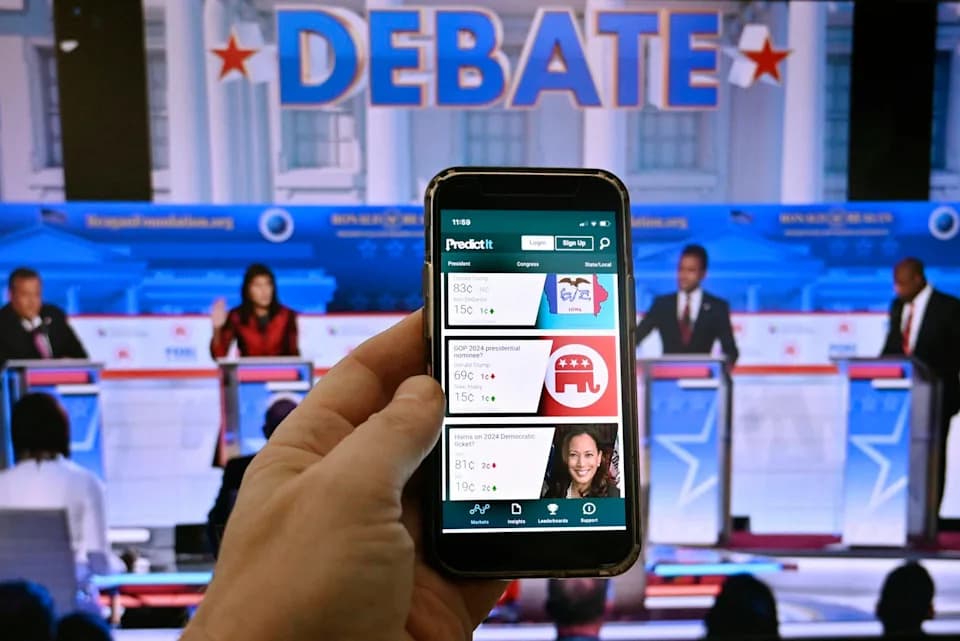
Prediction markets such as Kalshi allow users to speculate on the outcomes of real-world events using cryptocurrency.(Michael Nagle/Bloomberg via Getty)
Prediction markets such as Polymarket and Kalshi have surged in popularity, offering contracts that let participants bet on outcomes ranging from disease outbreaks to climate records and quantum-computing milestones. These markets translate buy-and-sell pressure into prices that traders interpret as the collective probability of a future event.
How Prediction Markets Work
Participants buy and sell shares tied to different outcomes; prices emerge from supply and demand rather than from expert-set odds. Proponents argue that economic incentives attract informed traders and that market prices can aggregate dispersed information — a real-world test of the so-called "wisdom of crowds." Academic studies have shown prediction markets sometimes outperform polls and other forecasting tools in political contests, but their performance on technical scientific questions is more contested.
Where They Can Help
Experts say prediction markets can provide a useful signal about public perception and near-term expectations. Richard Borghesi, who studies finance and prediction markets at the University of South Florida, calls them "potentially helpful forecasting supplements". Epidemiologist Bill Hanage notes markets can reflect public anxiety or attention — information that is valuable to communicators and policymakers even if it does not equal scientific judgement.
Limitations And Risks
Prediction markets are not substitutes for scientific models, peer review or expert assessment. Their signals weaken when traders lack domain knowledge, and prices can reflect short-term sentiment or the specific wording of contracts. There are also documented risks of manipulation and insider trading. For example, Norwegian officials probed a sudden surge of bets on Maria Corina Machado shortly before she was awarded the Nobel Peace Prize.
Case Studies: Hantavirus, Climate, Quantum
Hantavirus: After a cluster was reported aboard a cruise ship, a Polymarket contract briefly implied a 19% chance the World Health Organization (WHO) would declare a hantavirus pandemic this year; that probability then fell to about 5% as the news settled. Roughly US$14 million in shares had traded in that market. A comparable Kalshi contract put the chance at about 7% for a WHO declaration of a public-health emergency of international concern in 2026. Experts including Vaithi Arumugaswami (UCLA) and the US Centers for Disease Control and Prevention emphasize that sustained human-to-human transmission of hantavirus is uncommon and the pandemic risk remains very low.
Climate: Some climate-related markets align reasonably well with expert projections. Polymarket placed about a 34% chance that 2026 will be the hottest year on record (60% for second hottest); Kalshi gives 2026 roughly a 32% chance of being the hottest year. Zeke Hausfather's real-time projections based on Copernicus data estimate a ~28% chance 2026 will be the hottest year and ~67% for second hottest — broadly comparable to market prices.
Quantum Computing: Markets have priced a 3% chance that a quantum computer will derive an existing Bitcoin private key by the end of 2026 and a 16% chance by the end of 2027. Researchers such as Scott Aaronson caution that assembling a quantum system at the necessary scale is still a major technical hurdle; Chloe Martindale notes it could take anywhere from a few years to decades.
Takeaway
Prediction markets can be informative — especially as a gauge of public sentiment and short-term expectations — but they are best used as one signal among many. When combined with epidemiological models, climate analyses and expert judgement, market prices can help paint a fuller picture; when used alone, they risk overstating certainty or reflecting manipulation and knowledge gaps.
Bottom line: Use prediction-market prices thoughtfully — they illuminate what people expect, not necessarily what experts conclude.
Help us improve.