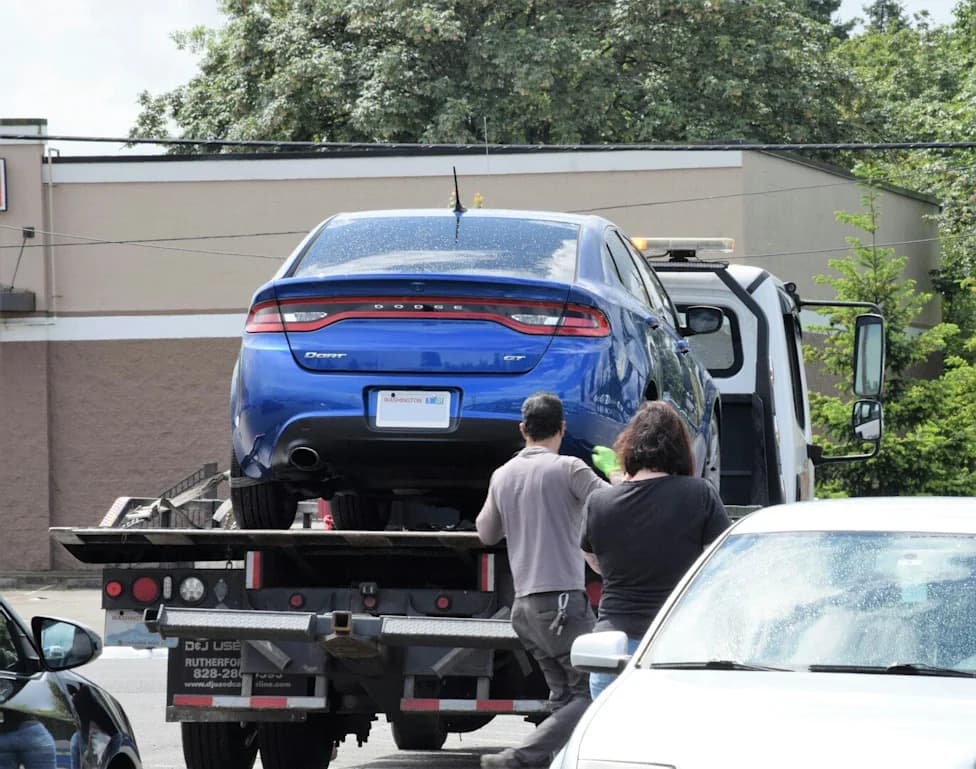
Colorado has strengthened penalties for vehicle theft after years of high rates centered in the Denver metro. The new laws raise sentences, add enhanced charges for repeat offenders and broaden felony classifications. Experts caution that deterrence depends more on consistent enforcement and convictions than on severity alone, and officials will watch 2024 crime data to judge impact.
Colorado Tightens Auto-Theft Laws as Denver Struggles With Persistent Vehicle Crime
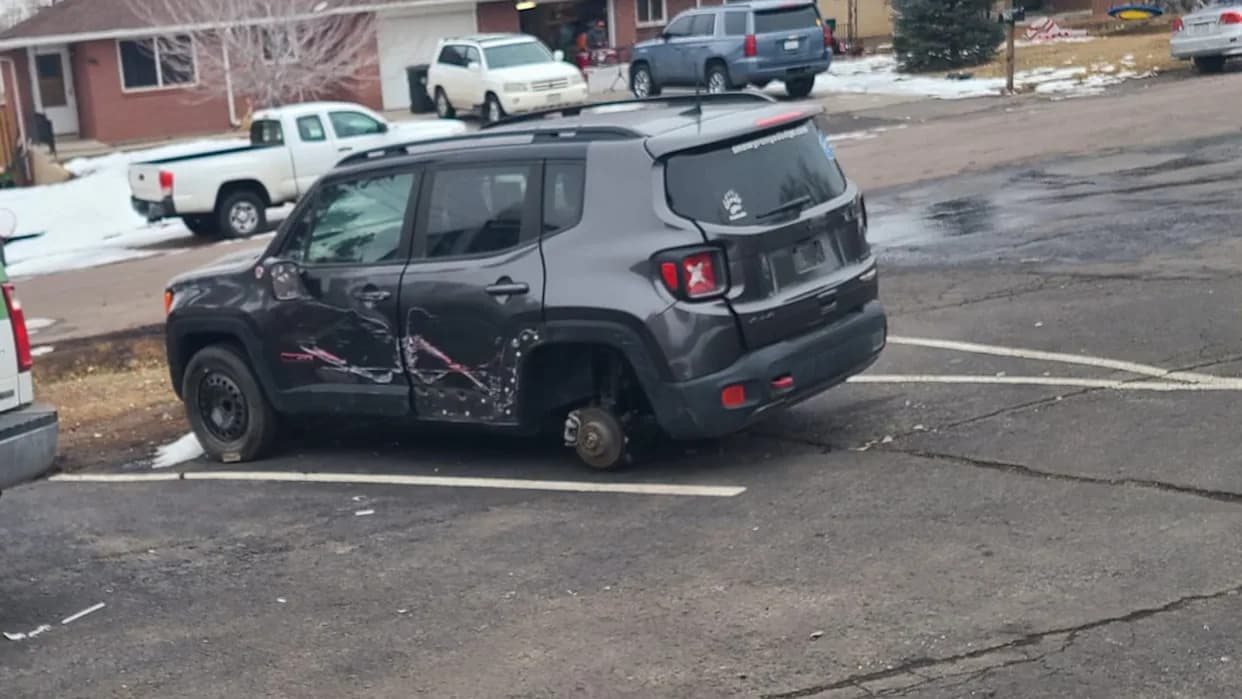
Colorado Passes Tougher Auto Theft Laws as Denver's Car Crime Problem Refuses to Improve
Colorado has moved to toughen penalties for motor-vehicle theft after years of elevated vehicle-theft rates concentrated in the Denver metropolitan area. Despite arrests and the dismantling of several organized rings, overall theft levels have shown limited, sustained improvement.
What the New Laws Do
The state legislature enacted changes that increase penalties for auto theft, add enhanced charges for repeat offenders and expand the circumstances under which vehicle theft can be prosecuted as a felony. Lawmakers said the shift responds to growing constituent concern about the frequency and organization of these crimes.
Why Rates Remain High
Experts point to several contributing factors: organized criminal groups that view Denver as a lucrative market; specific vehicle models with known vulnerabilities that make theft easier; and a perception that earlier penalties did not match the crime's profitability. These elements combined to keep Colorado's vehicle-theft rate among the highest in the country.
Will Harsher Penalties Work?
Research on property-crime deterrence shows mixed results, but a consistent finding is that the certainty of punishment tends to deter crime more than severity alone. The new laws could reduce thefts if they are applied consistently and lead to more prosecutions and convictions. If enforcement remains uneven, however, the deterrent impact will likely be limited.
Bottom line: Harsher sentences matter only when offenders believe they are likely to be caught and convicted.
What This Means for Drivers
For vehicle owners in the Denver metro and across Colorado, the legislation signals that state government and law enforcement are prioritizing the problem. Drivers should continue using common anti-theft practices — secure parking, steering locks, tracking systems, and model-specific precautions — while watching whether enforcement and conviction rates rise.
What To Watch In 2024
Officials and residents will be watching 2024 crime statistics to see whether the tougher laws produce measurable declines. The optimistic scenario is that organized rings reassess Colorado as a less profitable target and move operations elsewhere. The pessimistic scenario is that theft remains high and authorities must adopt additional investigative, technological and community-based tools.
Subscribe to our newsletter, follow us on Instagram and connect with us on Facebook for updates and local data as it becomes available.
Help us improve.