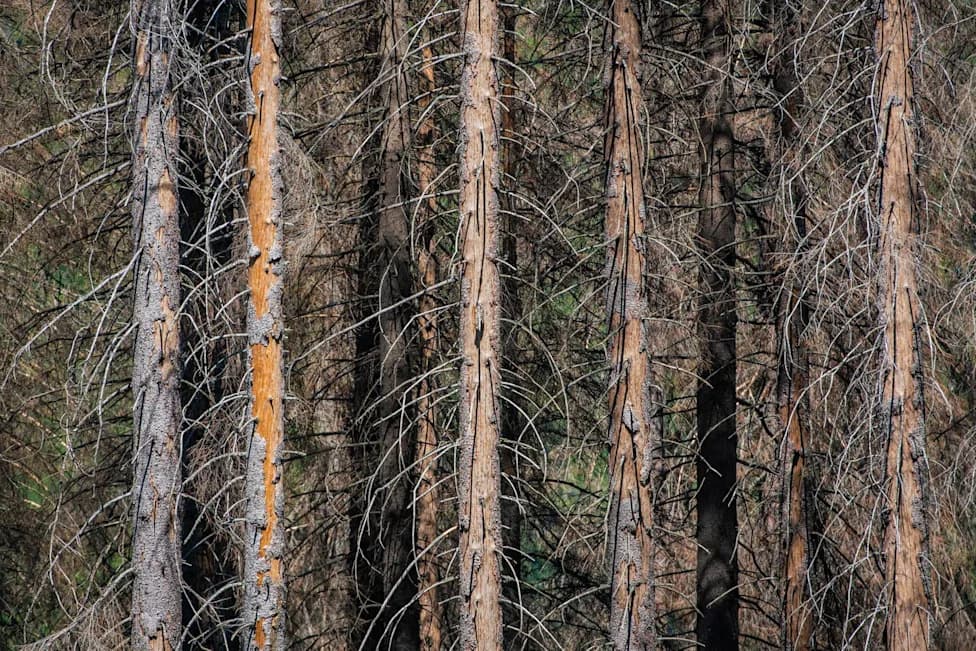
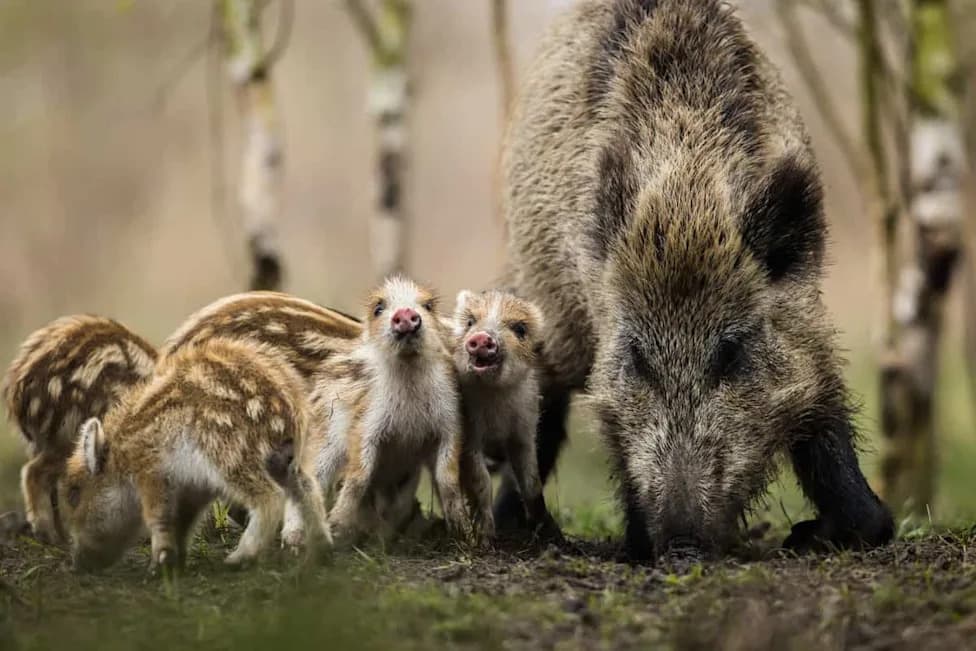
Invasive species are spreading across the United States, damaging ecosystems, agriculture and infrastructure while posing public-health risks. The USGS estimates these invasions cost roughly $1.22 trillion from 1960 to 2020. Newsweek’s ranking highlights ten species of highest concern — from the newly detected golden mussel and the harmful New World screwworm to widespread problems such as feral hogs and cheatgrass — underscoring the need for coordinated detection and management.
Invasive Species Across the U.S.: Top 10 That Threaten Ecosystems, Infrastructure and Agriculture
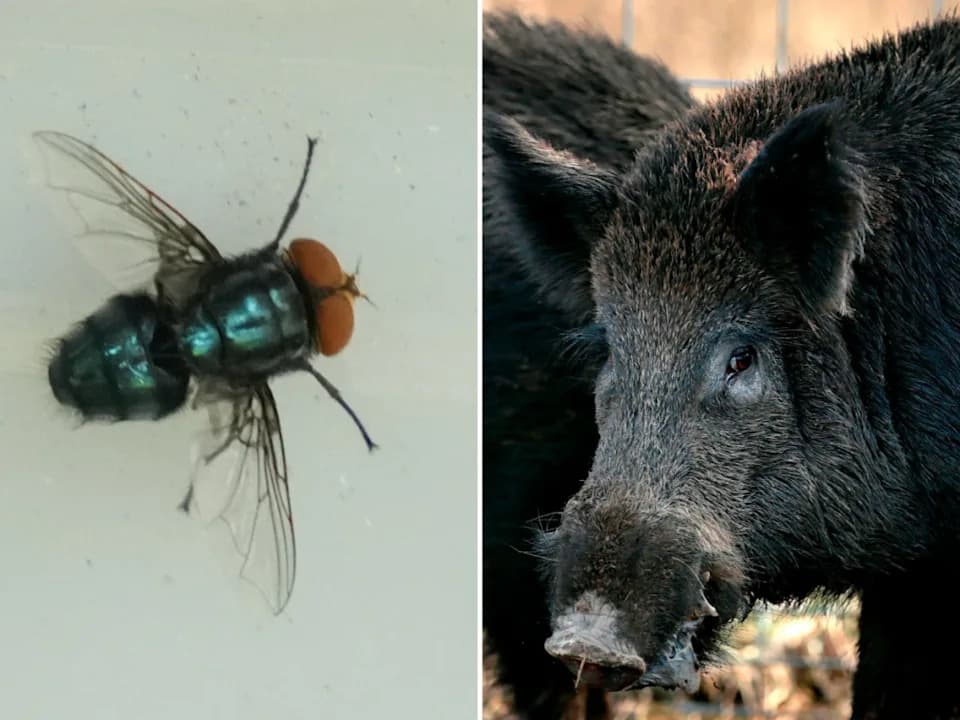
A sterilized screwworm and a feral hog are seen.
Invasive species — organisms introduced outside their native ranges — are increasingly reshaping U.S. landscapes, harming biodiversity, infrastructure and agricultural production. This article ranks ten invasive species of greatest concern based on their spread, economic and ecological impacts, and the threat they pose to public health and critical systems.
Why This Matters
Non-native plants and animals can outcompete native species, spread disease, damage water and energy infrastructure, and increase the frequency and severity of wildfires. The U.S. Geological Survey (USGS) estimates cumulative costs from invasive species in the United States at roughly $1.22 trillion between 1960 and 2020, accounting for environmental damages, lost resources and rising control costs. Climate change and more frequent extreme weather events are creating conditions that favor further spread, making coordinated management and early detection essential.
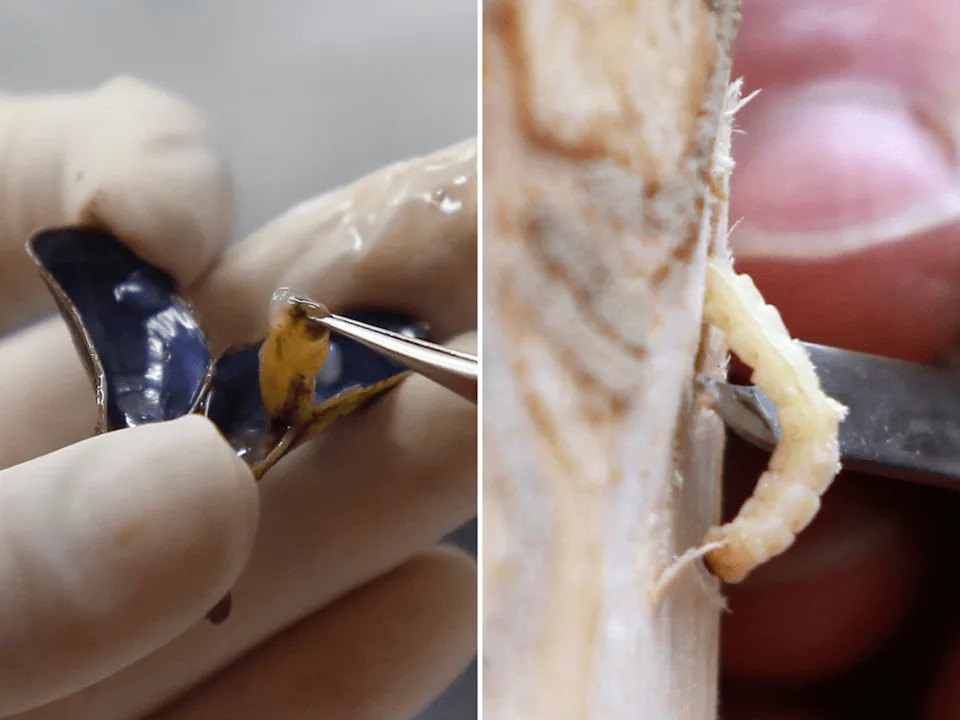
A golden mussel being tweezed out of its shell and an emerald ash borer larvae being removed from an ash tree are seen.
Top 10 Invasive Species Of Concern
New World Screwworm — A parasitic fly whose larvae feed on living tissue of warm-blooded animals, causing deep, potentially fatal wounds. Historically native to tropical Central and South America, it has periodically breached U.S. borders and was recently detected in Texas. Outbreaks can devastate livestock herds, prompting emergency quarantines and use of the sterile insect technique (SIT) to control populations. While it threatens animal health, it does not render processed food unsafe.
Feral Hogs (Feral Swine) — Descended from escaped or released domestic pigs, feral hogs are now widespread, with heavy concentrations in the South and parts of the West. Their rooting and foraging cause an estimated $3.4 billion in annual agricultural damage. They also harbor pathogens such as brucellosis, which threaten livestock and can pose zoonotic risks to humans.
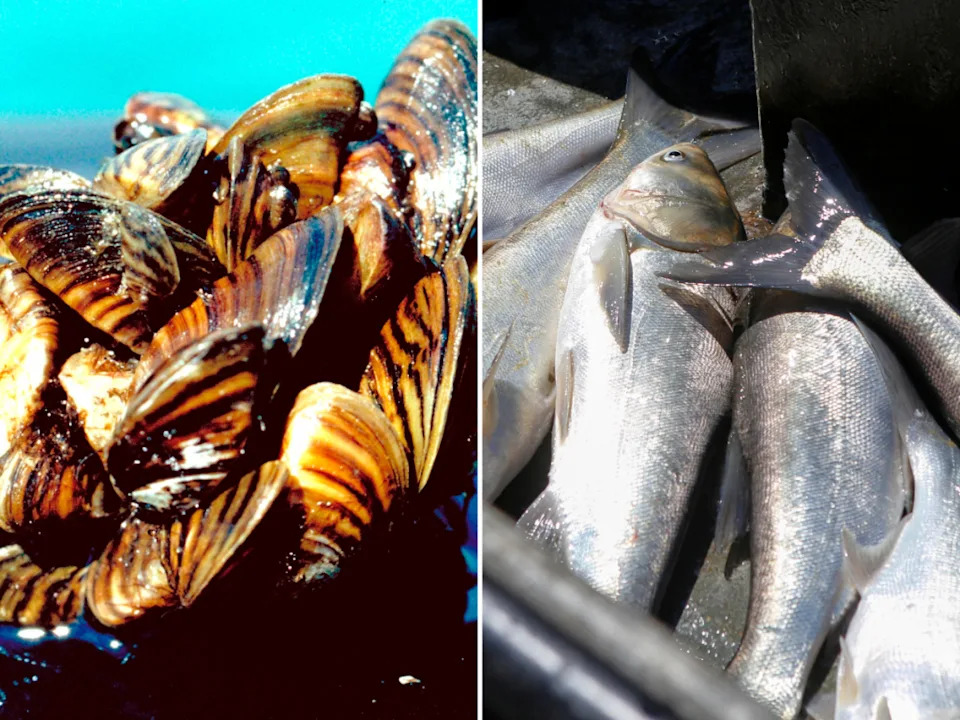
Zebra mussels and Asian carp are seen.
Golden Mussel — Native to East and Southeast Asia, the golden mussel was detected in North America for the first time in October 2024 in California’s Sacramento–San Joaquin Delta. It forms dense colonies that clog intake pipes and water infrastructure, damage fisheries, and threaten water-supply systems serving millions.
Emerald Ash Borer — A wood-boring beetle from Asia that likely arrived in infested solid-wood packaging. It has killed tens of millions of ash trees across dozens of states by feeding on inner bark and disrupting nutrient flow. The infestation has driven costly tree removal and replacement programs in cities, forests and timber operations.
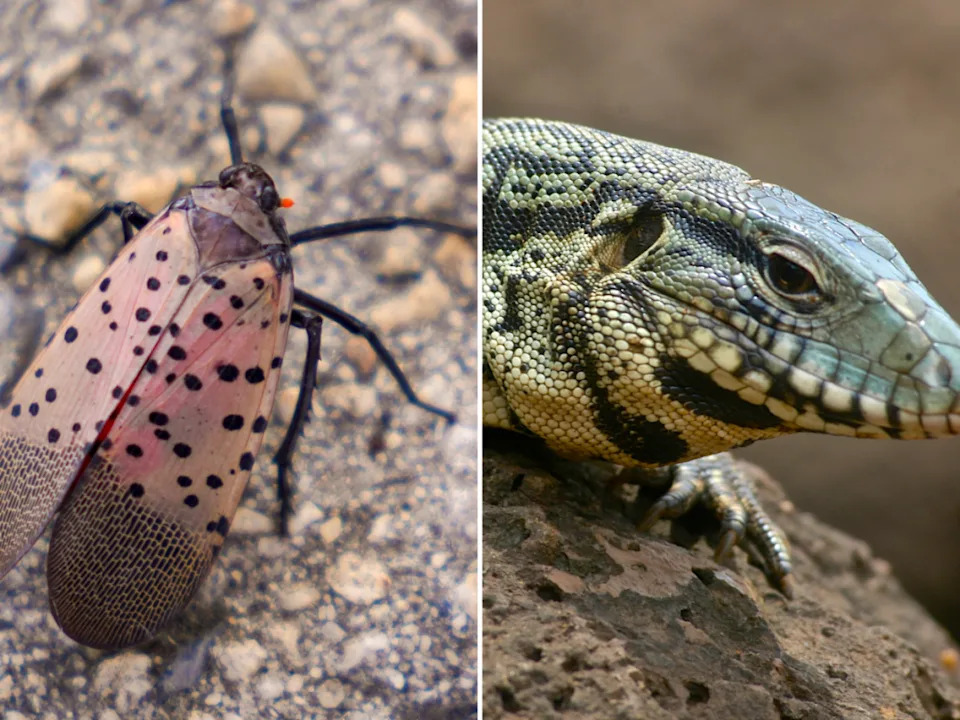
A spotted lanternfly and a black and white Argentine tegu are seen.
Zebra Mussels — Originating from lakes in southern Russia and Ukraine, zebra mussels entered the Great Lakes in the late 1980s via ballast water from transoceanic ships. They quickly colonize hard surfaces and water infrastructure, causing hundreds of millions of dollars in annual damages and displacing native aquatic species.
Asian Carp — A group of large Asian fish introduced in the 1970s for aquaculture and wastewater treatment. Multiple species escaped into U.S. waterways and now dominate sections of the Mississippi River basin. They consume plankton crucial to native fish and threaten to invade the Great Lakes, where they could severely disrupt commercial and recreational fisheries.
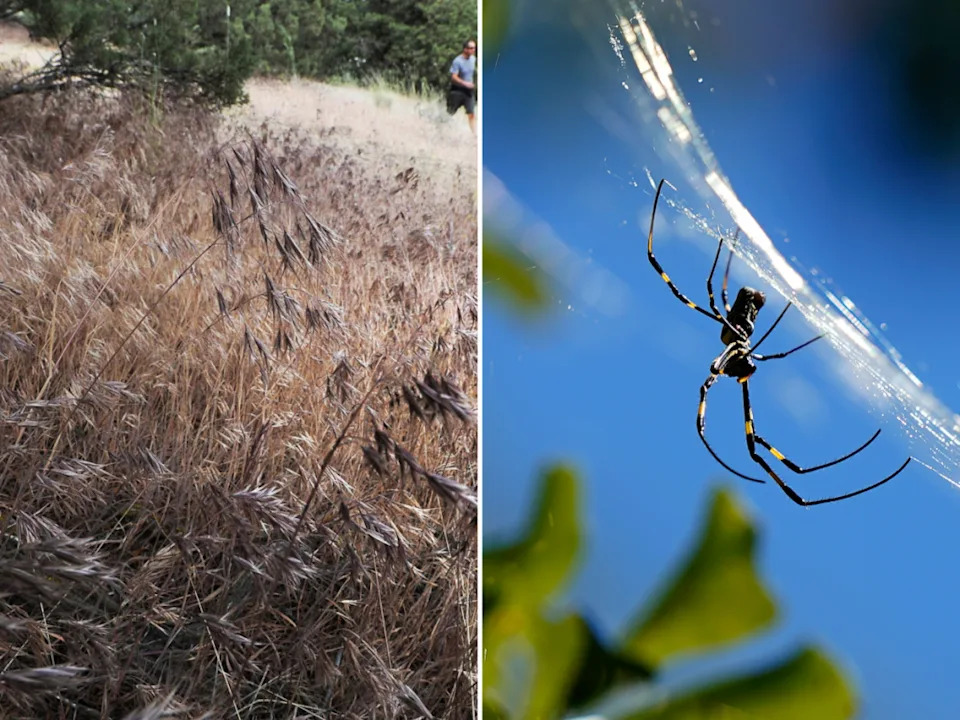
An area of cheatgrass and a Joro spider on its web are seen.
Spotted Lanternfly — An invasive planthopper from Asia that arrived on imported goods. Established in several states, it damages grapes, fruit trees and hardwoods by secreting sticky honeydew that promotes mold growth and reduces yields, posing significant agricultural and economic concerns.
Argentine Black-and-White Tegu — A large lizard from South America that likely entered the U.S. through the pet trade and through escapes or releases. Established populations exist in parts of the Southeast, including Florida and Georgia. Tegus prey on eggs of birds, reptiles and small mammals, threatening native wildlife and small poultry operations. They can carry salmonella and other parasites.
Cheatgrass — Native to Eurasia and northern Africa, cheatgrass likely arrived with grain shipments in the 1800s and is now widespread, found in all 50 states. It dries out earlier in the season than many native plants and forms continuous, highly flammable stands that increase wildfire risk and make fires harder to control.
Joro Spider — A large orb-weaver native to East Asia that likely arrived via international cargo. It has spread in parts of the Southeast and drawn attention for its size and striking yellow-and-black markings. Experts consider its direct threat to humans and pets low, and its long-term ecological impact is still uncertain.
What Can Be Done
Addressing invasive species requires rapid detection, public reporting, targeted eradication or containment, coordinated federal and state action, and preventive measures such as improved biosecurity for trade and transport. Public awareness, early intervention and sustained funding for monitoring and response are critical to reducing future ecological and economic harm.
Help us improve.