This article explores a widening national debate over what it means to be English — highlighted by a St George's Day parade in Swindon, clashes over flags and recent comments from public figures suggesting Englishness may be inherited across generations. Polls and experts largely back an inclusive, civic definition: a March 2025 More In Common poll found 74% of English respondents believe Englishness is not limited by skin colour or ethnicity. Voices across politics disagree, with some arguing for ancestry-based definitions and others warning that ethnic criteria risk exclusion and social harm.
What It Means To Be English: Identity, Flags and the Battle Between Ancestry and Civic Belonging
[Getty Images]
A smiling inflatable dragon waddled through sunlit Swindon on St George's Day, greeting shoppers while the town crier looked on. The procession, organised by then-mayor Fay Howard, was intended as a light-hearted local celebration — but with local elections looming she deliberately avoided flying the Cross of St George. "I've been careful about using the flag this year because it is an election time and because I represent everybody in Swindon and I want to be fair to everybody in Swindon," she said. That balancing act captures the tensions at the heart of contemporary debates about English identity.
When Ancestry Enters the Argument
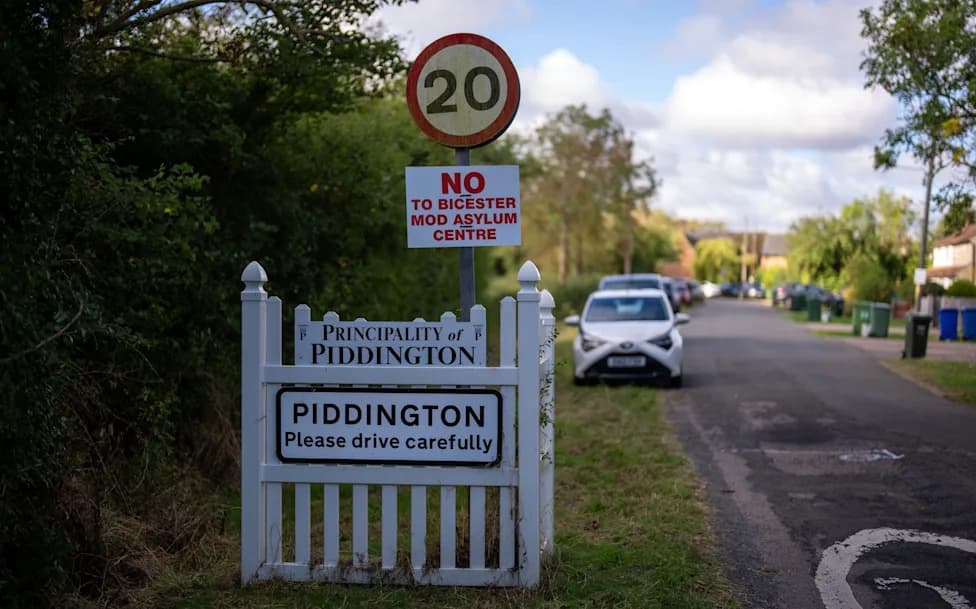
What began as a local question has hardened into a national argument. Since February last year, some commentators and politicians on the right have argued that Englishness cannot simply be adopted but must be inherited across generations. The debate intensified after Russian-born podcaster Konstantin Kisin suggested that Rishi Sunak could be "British but not English" because of his background, following an exchange in which Fraser Nelson described Sunak as as "English as Tizer and Y-Fronts." Shortly after, former home secretary Suella Braverman described herself as "British Asian" but not English and speculated in a column that becoming "English" might take "five or six" generations.
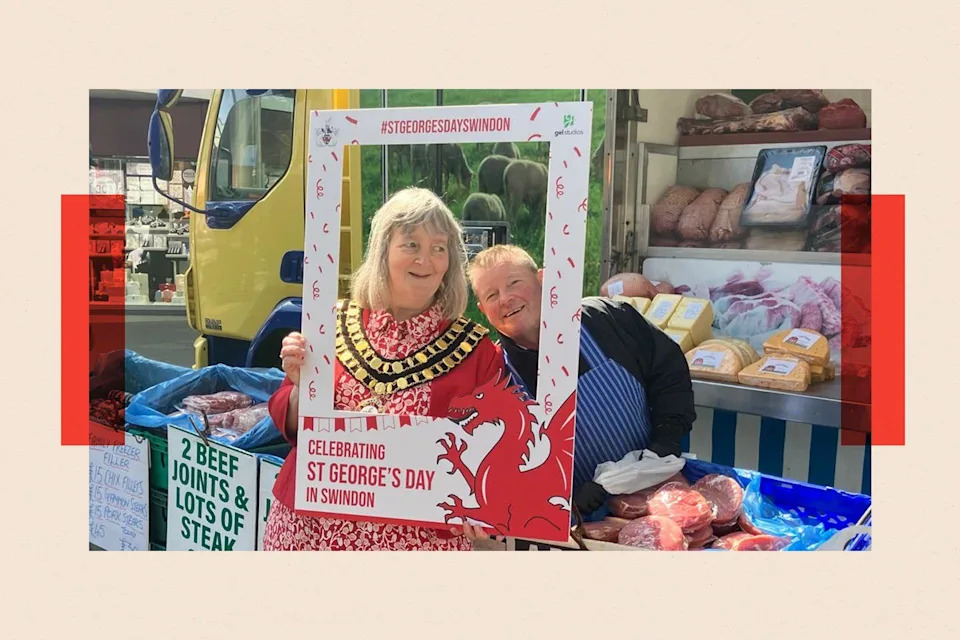
The then mayor of Swindon Fay Howard chose not to use the Cross of St George flag [BBC]
Polls, History and Competing Definitions
Opponents of an ancestry-only definition point to polls and history. Sunder Katwala, director of the British Future think tank, accepts Braverman's personal view but rejects the idea that English identity requires many generations to establish. Katwala notes historical examples — such as the roughly 50,000 Huguenot refugees who arrived in 17th-century England — whose grandchildren were widely seen as English. He also cites survey evidence suggesting about 90% of people believe being born, raised and identifying in England makes you English.
A More In Common poll in March 2025 found that 74% of English respondents think someone can be English regardless of skin colour or ethnic background. Those numbers sit against local contrasts: Castle Point in Essex, overlooked by the ruins of Hadleigh Castle (begun in 1215), recorded the highest proportion of residents citing "English" as their national identity in the last census.
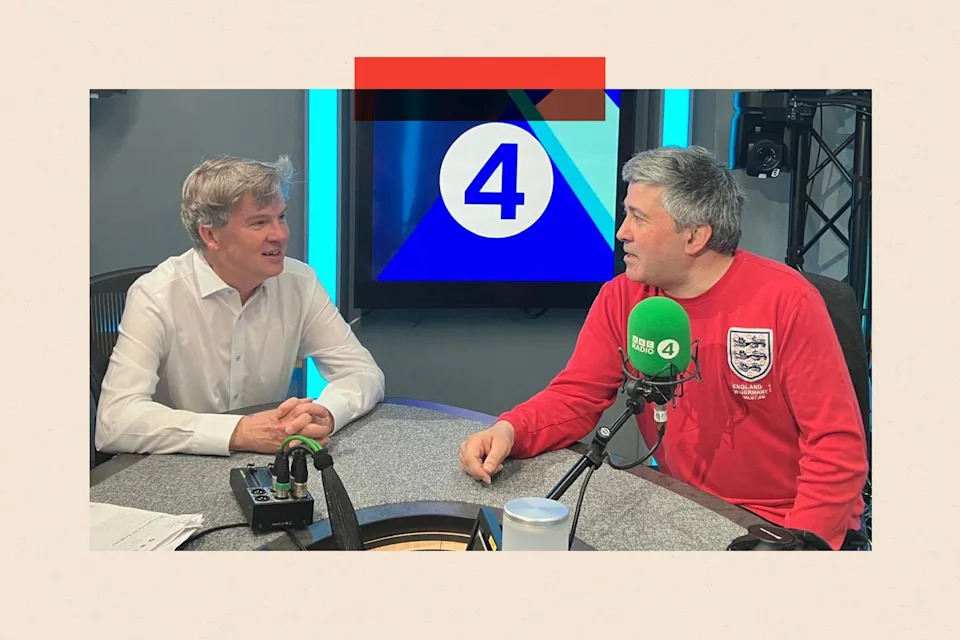
Sunder Katwala (right) disagrees that it takes many generations to become English [BBC]
Voices From Across The Political Spectrum
The debate features strong, sometimes contradictory, voices. Matt Goodwin, author and GB News presenter, argues Englishness is primarily ethnic and rooted in ancestry, distinguishing it from Britishness. He says Englishness cannot simply be claimed in the way nationality is, though he concedes it is possible for people of any race to be English.
Nigel Farage rejected drawing strict ethnic boundaries around national identity, while Joe Mulhall of Hope Not Hate warned that attaching identity to ethnicity risks reviving "pretty nasty and pretty dangerous" ideas about bloodlines and purity.
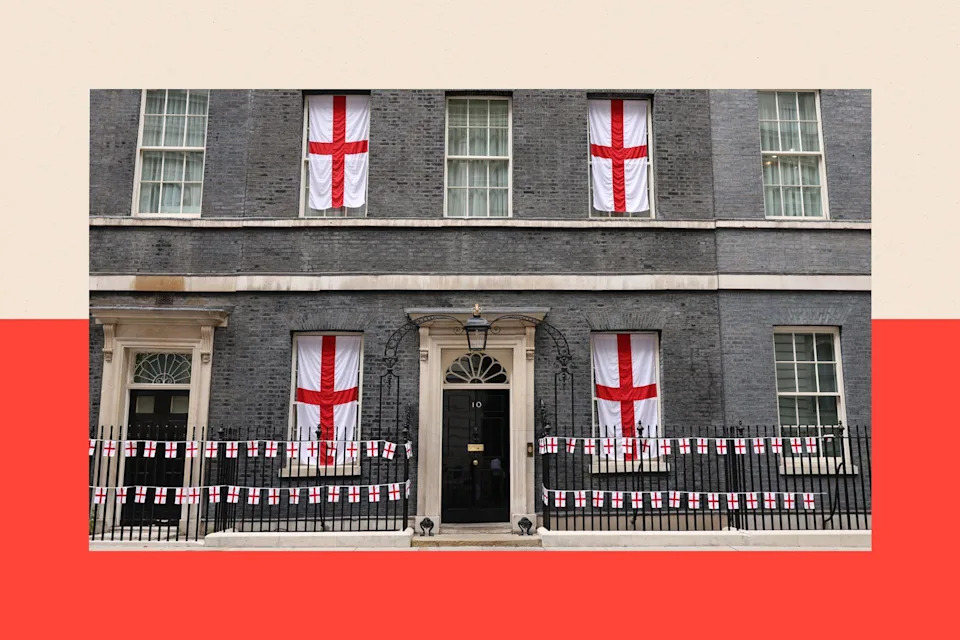
Sporting events, such as the 2025 Women's World Cup, often raise the question of what the flag symbolises [Getty Images]
Kemi Badenoch, the Conservative leader, described Englishness as "very complicated," combining ancestral and civic elements — culture, values, behaviours and a commitment to place. Lisa Nandy, Labour's culture secretary, argued that patriotic celebrations are about community and pride, and rejected the notion that belonging must be defined by ancestry.
Symbols, Celebrations And Social Stakes
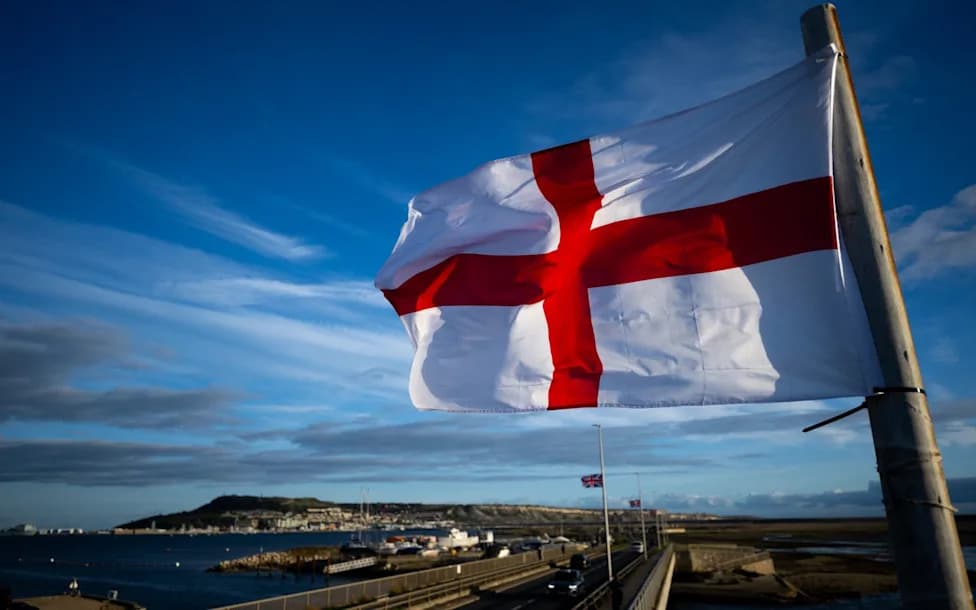
Campaigns such as last summer's "Raising the Colours," when St George's and Union flags were draped across motorway bridges, show how national symbols can unite and divide. For some, flags and anthems evoke comfort and belonging; for others, they can feel exclusionary. In Swindon, reactions ranged from nostalgic warmth to mild disappointment at the modesty of the parade — a reminder that local rituals can reflect broader national divisions.
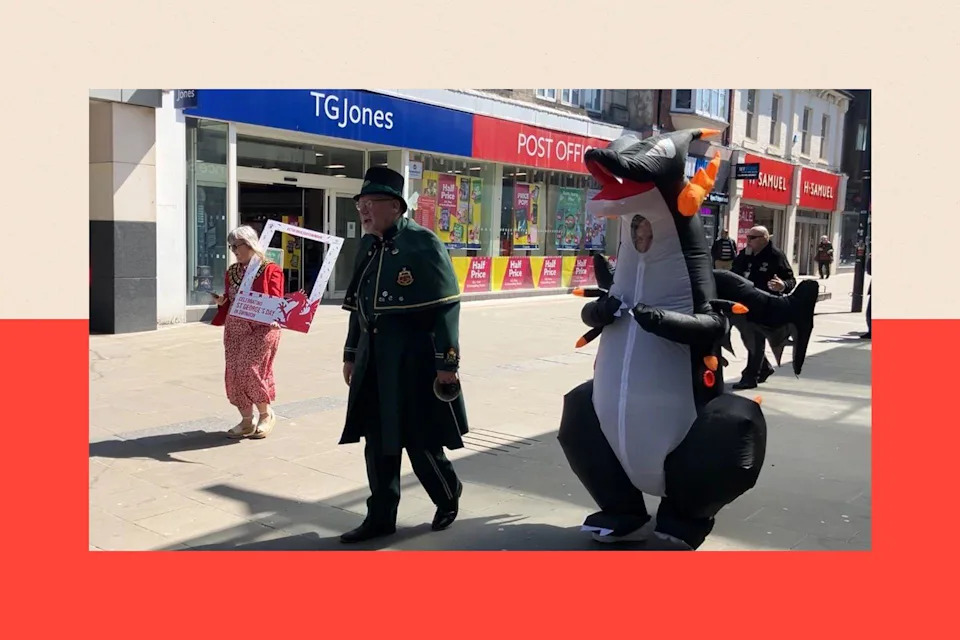
The dragon walks through Swindon [BBC]
"Is it about colour? How white do you have to be? How British do you have to be?" — Joe Mulhall, Hope Not Hate
Why The Debate Matters
At stake are more than semantics. How a country defines belonging shapes civic life, electoral politics and social cohesion. If identity is framed chiefly as ancestry, critics warn it can exclude long-standing residents and recent arrivals and create fertile ground for divisive politics. If identity is framed as civic and cultural, supporters say it can be more inclusive but must still recognise history and continuity.
As England wrestles with these questions, polls suggest a majority favour an inclusive definition. Yet high-profile comments and symbolic flashpoints show the debate is unresolved and politically charged.
Listen: "England's Identity Crisis" is scheduled for 1.30pm on Sunday 7 June on BBC Radio 4 and BBC Sounds.
Help us improve.