The U.S. Fish and Wildlife Service has designated about 1.5 million acres in six states as critical habitat for the endangered rusty patched bumblebee, which has disappeared from roughly half its historic range. The designation influences federal planning and permitting but does not change land ownership. Scientists cite habitat loss, pesticides, disease, impacts from managed bees and climate change as key causes. Planting native flowers and reducing pesticide use are among the recommended steps to help the species and other pollinators.
Endangered Rusty Patched Bumblebee Gains 1.5 Million Acres of Critical Habitat
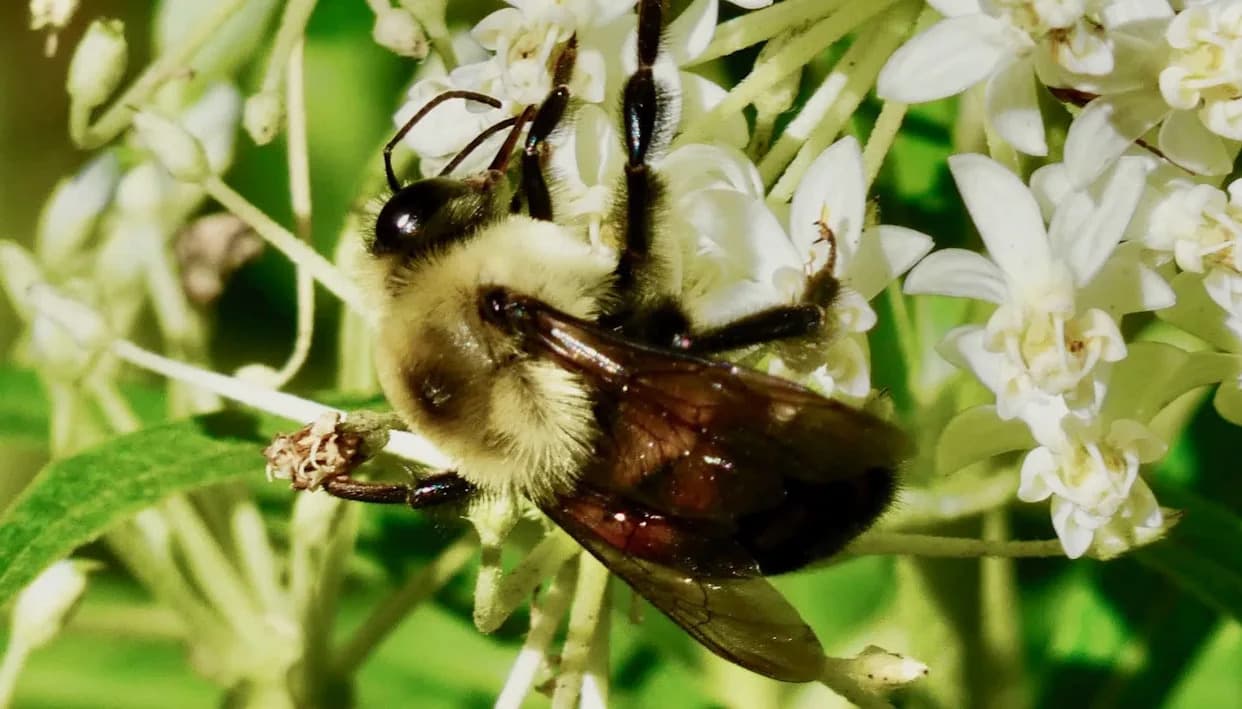
Photo Credit: iStock
Federal wildlife officials have designated roughly 1.5 million acres as critical habitat for the endangered rusty patched bumblebee, a move intended to support recovery of a species that has vanished from about half of its historic U.S. range.
The U.S. Fish and Wildlife Service said the designation covers areas in Illinois, Iowa, Minnesota, Virginia, Wisconsin and West Virginia. The action does not create new parks or change land ownership, but it does influence how projects involving federal agencies are planned, permitted and implemented—helping ensure federal actions consider the bee’s recovery needs.
Where the Bee Remains and Why It’s Declining
Historically, the rusty patched bumblebee ranged from Maine south to Georgia and west to the Dakotas. Since 2000, confirmed sightings have been reported in only 13 states, and in 2017 the species became the first bee in the United States to be listed under the Endangered Species Act.
Scientists point to multiple, interacting causes for the steep decline: habitat loss and fragmentation, pesticide exposure, disease and parasites, competition and disease spread from managed bees, and climate change. As native grasslands and flower-rich landscapes disappear, pollinators lose the food and nesting sites they need.
How This Helps—and What People Can Do
Designating critical habitat helps prioritize conservation, guide federal agency decisions, and target funding and recovery actions. It can also focus research and restoration efforts on areas most important for the species’ survival and recovery.
Experts emphasize simple, practical steps that help the rusty patched bumblebee and other pollinators: plant diverse native flowers that bloom from spring through fall, preserve or restore nesting habitat (such as undisturbed ground and grasslands), and reduce or eliminate pesticide use.
"Protecting its last remaining habitat from further destruction is just common sense," said Lucas Rhoads, a senior attorney at the Natural Resources Defense Council.
"The best way to attract a variety of bumblebee species and other pollinators to your yard throughout the season is having a good habitat," said Jay Watson, a conservation biologist with the Wisconsin Department of Natural Resources.
Protecting pollinator habitat benefits agriculture, backyard gardens and healthy ecosystems alike, and the measures that support the rusty patched bumblebee also tend to help other struggling species such as monarch butterflies.
Help us improve.