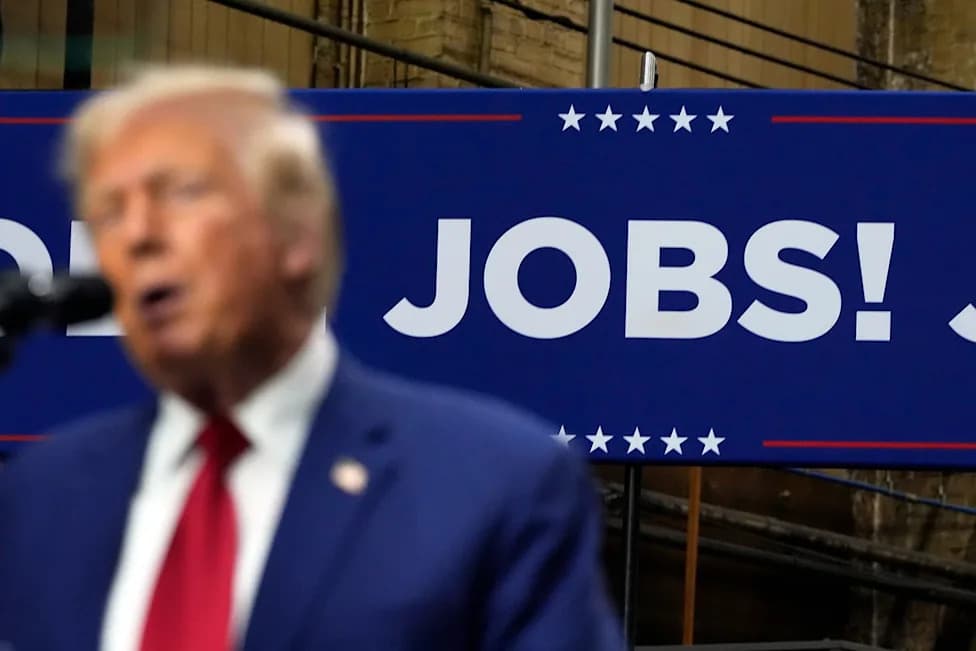
President Trump told theGrio that Black employment is "doing very well" as the White House announced a $700 million coal investment a day before a monthly jobs report. Official BLS figures show Black unemployment at 7.3%, well above the national rate of 4.3%. Economists point to federal job cuts, tariffs and policy changes as drivers of the rise, while analysts warn coal investments may not deliver large, sustainable job gains.
Trump Tells theGrio Black Jobs Are “Doing Very Well,” Even as Black Unemployment Nears 7.3%
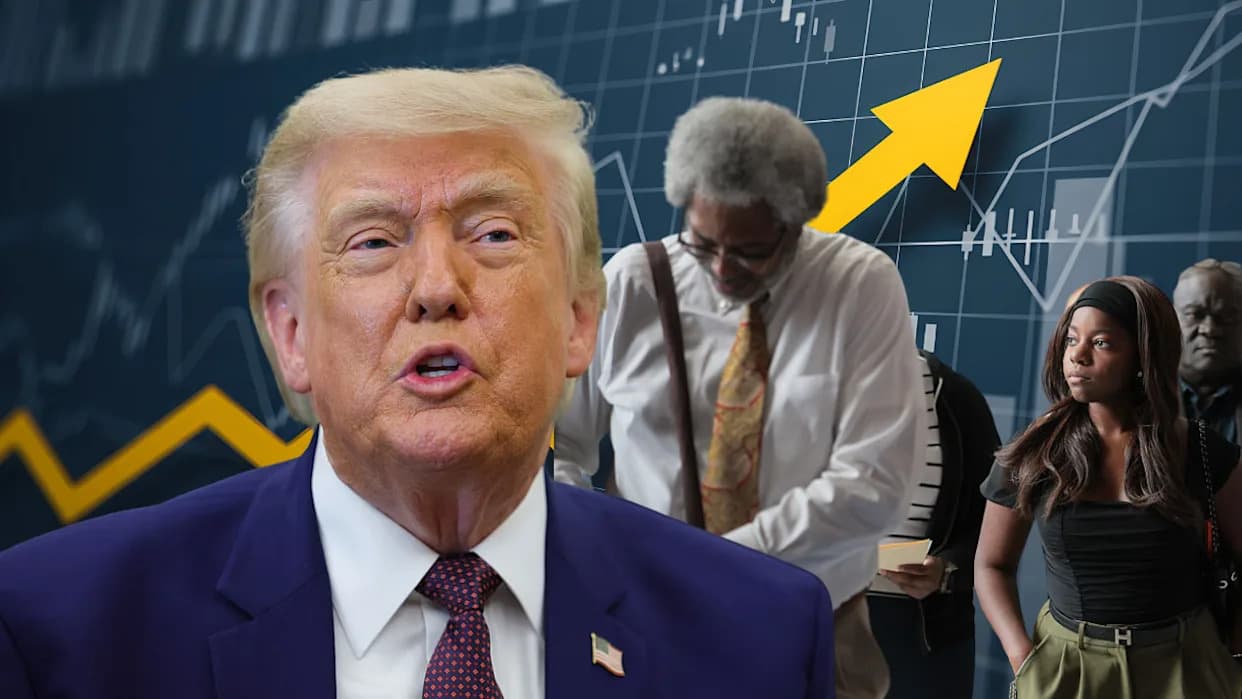
(Photo: Getty Images/Adobe Stock)
President Donald Trump told theGrio inside the Oval Office that Black employment is "doing very well" as the White House announced a $700 million plan to expand U.S. coal production, a day before the monthly jobs report was released.
Official data from the U.S. Bureau of Labor Statistics shows the national unemployment rate near 4.3%, while the Black unemployment rate remains about 7.3% — nearly double the overall rate and close to pandemic-era levels. Black Americans comprise roughly 13% of the U.S. population and have historically faced structural barriers to employment and higher-paying jobs.
Three years earlier, in April 2023 under President Joe Biden, Black unemployment fell to a historic low of 4.8%. Since Trump returned to the White House, the Black jobless rate has risen steadily.
Economists who spoke with theGrio point to several policy-driven factors that may have contributed to the disparity. Those include cuts to federal employment, restrictions on diversity, equity and inclusion (DEI) initiatives, and tariffs that have disrupted manufacturing — a sector that traditionally employs many Black workers.
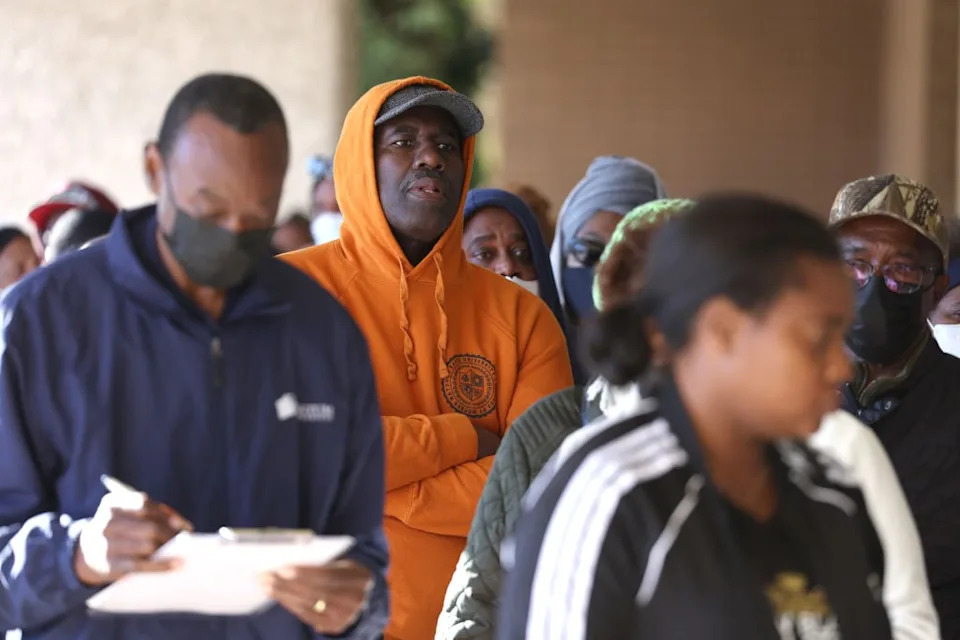
DECATUR, GEORGIA – NOVEMBER 26: Voters line up to cast their ballots on November 26, 2022 in Decatur, Georgia. (Photo by Justin Sullivan/Getty Images)
“Think about transportation, warehousing, industries, manufacturing, things like that. But the primary thing is just the targeting of the federal employment. That’s kind of been driving it,”
In the Oval Office, Trump said recent investments in coal plants and the auto industry will create jobs for Black communities as factories and auto production are revived. “It’s all coming back,” he said, arguing that returning auto manufacturing to the U.S. will benefit Black workers when plants reopen.
Analysts caution that coal has been in long-term decline since 2008, and it is uncertain whether the administration’s measures will reverse that trend or generate substantial employment gains. Utilities' use of coal for data centers has also raised environmental-justice concerns because pollution and related harms have disproportionately affected Black communities.
Beyond direct employment, critics say tariffs and increased military spending abroad are adding to economic pressures for many Black households by contributing to higher prices, mortgage costs and overall inflationary pressure.
“There is a level of disgust Black Americans have with the prioritization of this presidency, especially when it comes to more endless wars,”
The White House framed its announcement as a jobs-focused initiative; independent analysts say the impact on Black unemployment will depend on whether new investments actually translate into durable, well-paid positions accessible to the communities most affected by job losses.
Help us improve.