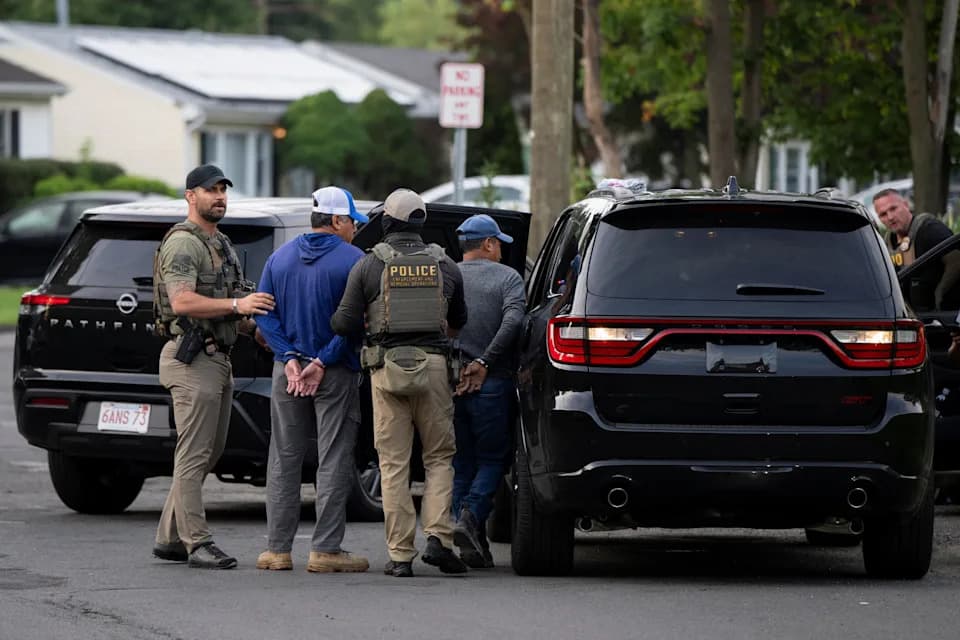
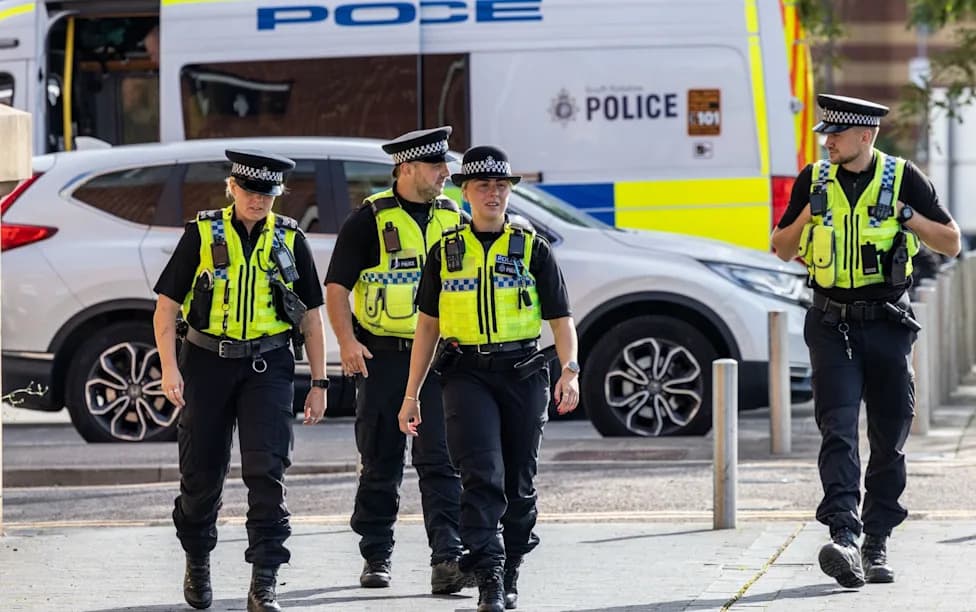
The NPCC's 2025 Police Anti-Racism Commitment, produced with the College of Policing, urges officers to pursue racial equity rather than adopt a strictly 'colour blind' approach. Critics say the guidance is vague and may create confusion for officers who must make split-second decisions. The handling of Henry Nowak—who was handcuffed while dying after a stabbing—has prompted calls to suspend the rules pending an IOPC inquiry. Ministers and commentators are demanding clearer operational guidance and greater parliamentary oversight.
‘Racial Equity’ Policing Guidelines Face Calls To Be Suspended After Henry Nowak Case
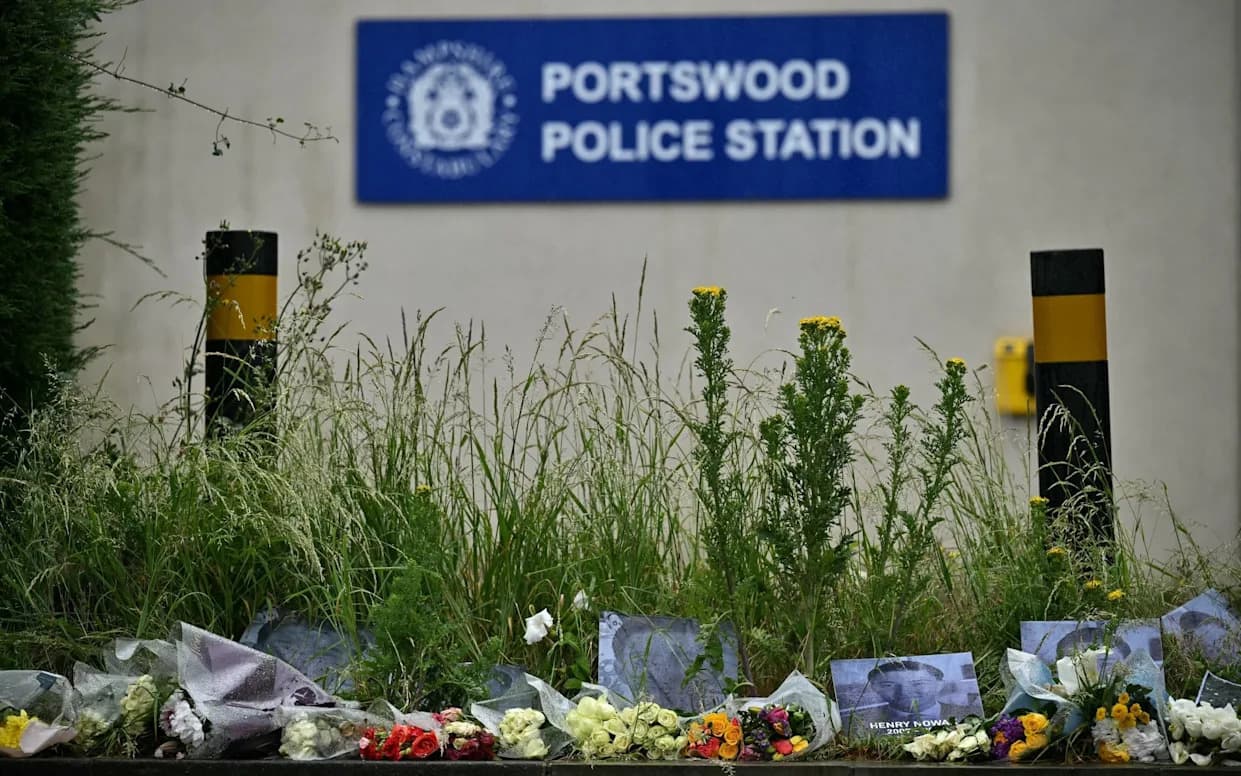
This case has undermined the British public’s faith in the police - Ben Stansall/AFP
The National Police Chiefs' Council (NPCC) says its role is to coordinate policy across the 43 forces in England and Wales and to improve public safety. In the wake of the events surrounding the fatal stabbing of Henry Nowak, questions have been raised about whether recent NPCC guidance is helping or hindering frontline policing.
In 2025 the NPCC, in collaboration with the College of Policing, published the Police Anti-Racism Commitment. That document urges officers to pursue "racial equity" and cautions against treating everyone exactly the same or adopting a strictly 'colour blind' approach.
The guidance asks officers to be alert to the risk of criminalising people and highlights the importance of monitoring arrest and charge rates to avoid disproportionate outcomes. It also suggests attention be given to parity in arrest and charge rates even where levels of criminality may vary between areas and groups.
How that guidance is meant to translate into split-second frontline decisions is not always clear. Policing frequently requires rapid judgement in high-pressure situations; critics say the language of the commitment is vague and could create confusion about when to arrest, when to detain or when to prioritise immediate medical aid.
Critics point to the case of Henry Nowak, who was handcuffed as he lay dying from stab wounds allegedly inflicted by Vickrum Digwa. Witnesses say officers appeared more concerned with not appearing racist than with administering urgent first aid. The Independent Office for Police Conduct (IOPC) is investigating the officers' actions, and its findings are pending.
Policing Minister Sarah Jones has said the guidance is "wrong" and needs review. Some ministers have urged the Home Office to suspend the guidelines pending the outcome of investigations and a wider policy review.
Supporters of the NPCC guidance argue it is intended to reduce bias and improve community trust. Opponents say the document is operationally impractical and risks undermining public confidence where officers respond cautiously in life-or-death situations. Many commentators, and some politicians, now call for clearer, legally grounded operational rules that give officers simple, unambiguous direction in emergencies.
Whatever the outcome of the IOPC inquiry, the episode has intensified debate about accountability, the role of the NPCC and the College of Policing, and whether rules that shape operational practice should be subject to tighter parliamentary oversight. Restoring public confidence, critics argue, will require transparent findings, clearer operational guidance and urgent steps to ensure officers can both act decisively and fairly.
Help us improve.