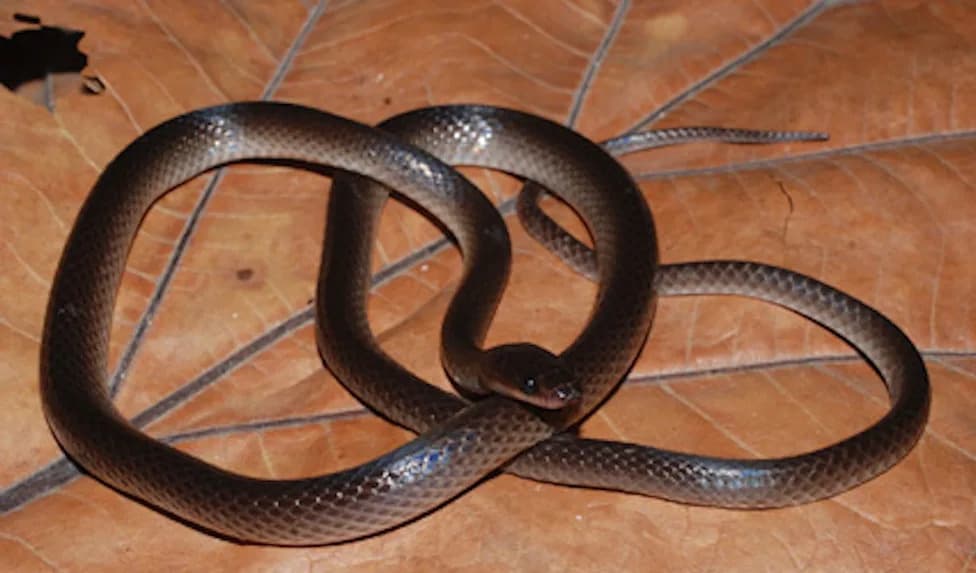
A 2024 ZooKeys study shows that the snake long called the Himalayan pit viper actually comprises five distinct species. Genetic comparisons between recent field samples and century‑old museum specimens revealed multiple evolutionary lineages that are visually similar but differ genetically and in skeletal traits. The original taxon was described in 1864; the newly recognized species have not yet received individual IUCN assessments, raising fresh conservation concerns for these high‑elevation snakes.
DNA Breakthrough Reveals Five Distinct Species Hidden Within the Himalayan Pit Viper
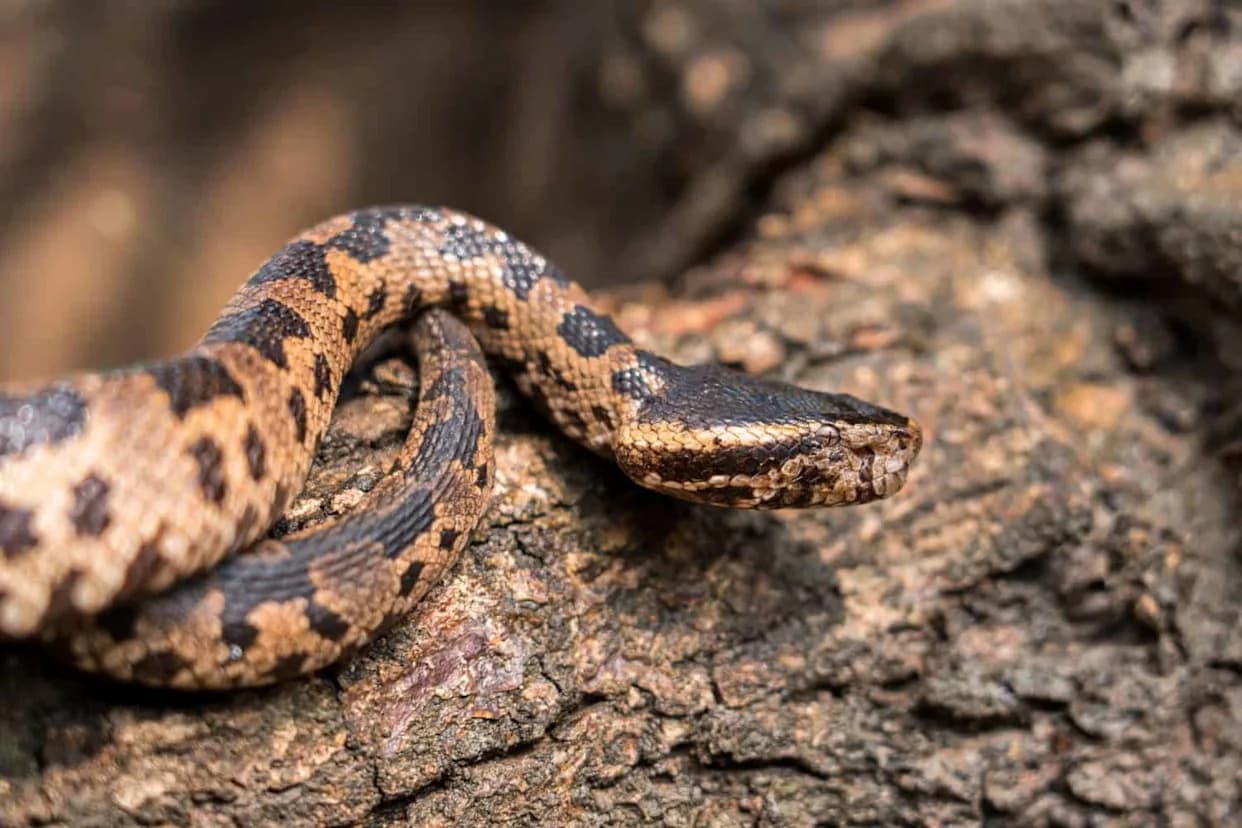
Snake with hemotoxic venom affects the blood system. Himalayan mountain pit viper (Ovophis monticola) found scattered in the high mountain areas in the northern region of Thailand.© Ton Ponchai/Shutterstock.com
For more than 160 years, the snake long known as the Himalayan pit viper was treated as a single, elusive species. Recent genetic analysis of modern field samples and century-old museum specimens, however, shows that what naturalists once considered one species actually comprises five closely related but distinct species.
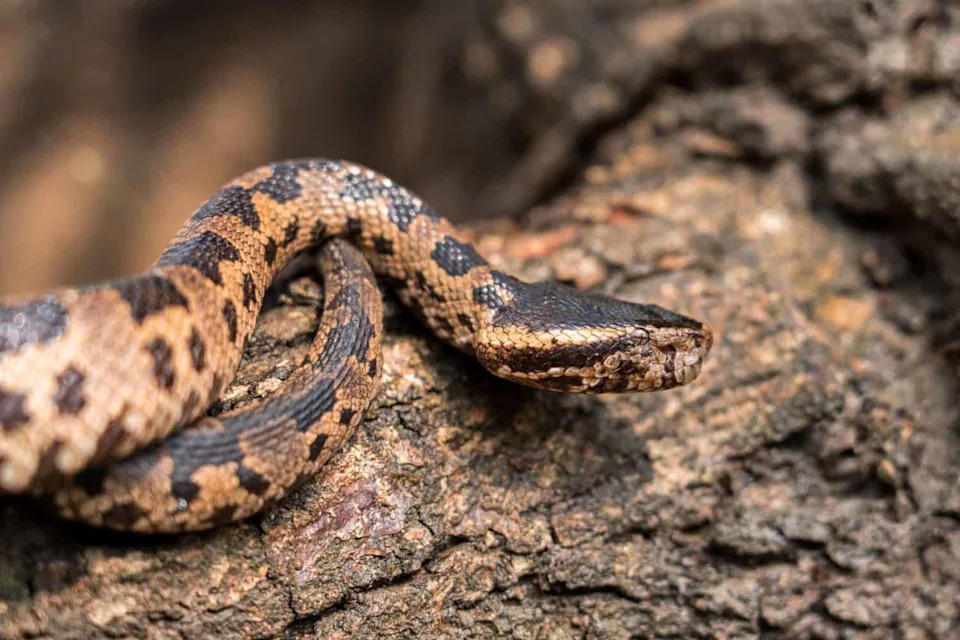
Once believed to be one species, the Himalayan pit viper is now five.©Ton Ponchai/Shutterstock.com
DNA and Museums Unlock Hidden Diversity
A 2024 study published in ZooKeys reports that the taxon historically called Gloydius himalayanus contains five separate species. The trend toward splitting the group began in 2022, when researchers described Gloydius chambensis as distinct. Continued sequencing and comparison of both historical and recently collected samples allowed researchers to resolve multiple evolutionary lineages that had been masked by similar outward appearances.
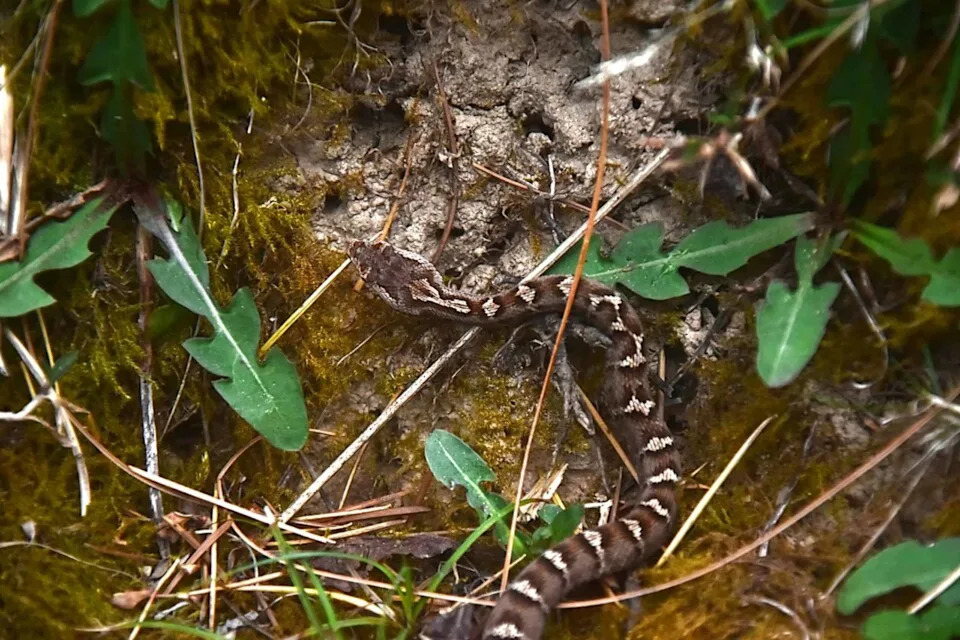
The comparison of DNA from field and museum samples helped scientists to determine that the Himalayan pit viper was indeed five species.©ADITIDESHP –Original
What the Snakes Look Like — And How They Differ
All five species are visually similar: they range from light to dark brown with darker dorsal markings and pale, spotted bellies. Yet close study reveals subtle anatomical differences, especially in skeletal features, that reflect adaptation to different parts of the Himalayan range. Each lineage occupies a particular elevational band or local ecosystem within the mountains, which likely drove the divergent evolution now visible in genetic and osteological data.
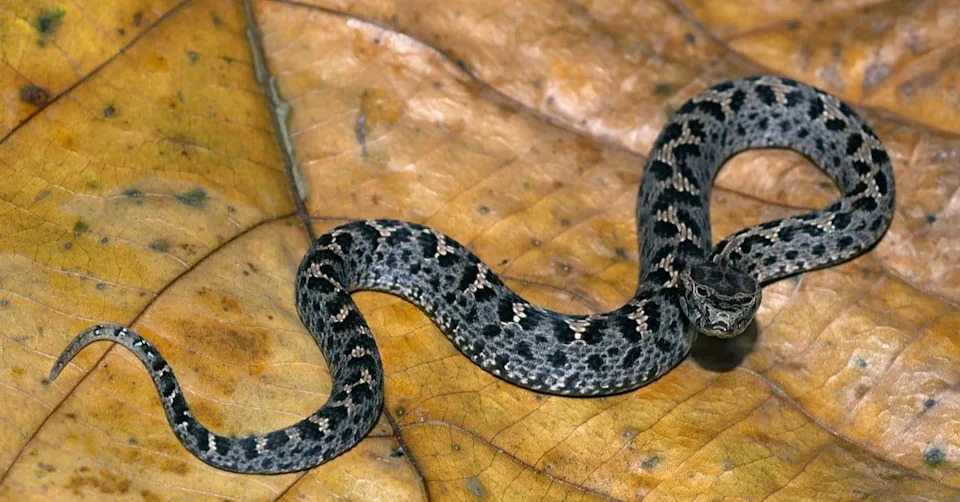
Himalayan pit vipers live in the highest regions of the Earth, making them difficult to study.©iStock.com/ePhotocorp
Museum Collections Proved Crucial
Many of the critical specimens were collected in the 19th and 20th centuries and curated in museum collections. Advances in DNA extraction and sequencing now make it possible to compare genetic material from historical specimens with DNA from recent field captures, uncovering cryptic diversity that was previously undetectable.
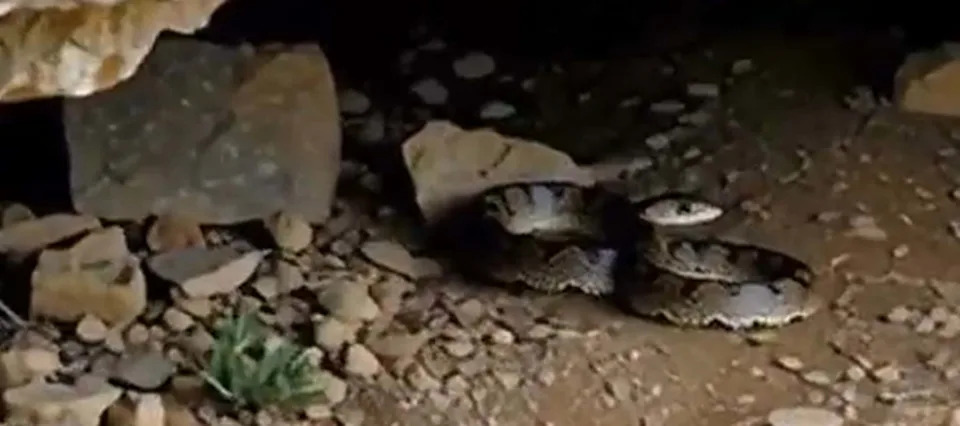
Himalayan pit vipers are threatened by habitat loss, fragmentation, and climate change.© –Original
“Museum specimens are not just records of the past. They are active research tools and essential infrastructure for future science,”
— Sylvia Hofmann, Museum Koenig
Challenges of Studying High‑Elevation Snakes
The original Himalayan pit viper was first described in 1864 by British zoologist Albert Günther. These vipers live at very high elevations—reports indicate occurrences above 16,100 feet (about 4,900 meters)—in remote terrain. Their reclusive behavior and the difficulty of reaching their alpine habitats have long limited specimen collection and field study.
“Pakistan’s high mountains are still full of biological surprises,”
— Rafaqat Masroor, herpetologist
Conservation Implications
Before the taxonomic revision, Gloydius himalayanus was assessed by the IUCN as “Least Concern.” The five newly recognized species have not yet been evaluated individually, which raises new conservation questions. Localized ranges and small populations could mean that some of these species are more vulnerable than previously thought.
Primary threats include habitat loss, habitat fragmentation and climate change. Protecting alpine meadows and rocky outcrops, and carefully managing agricultural expansion, infrastructure development and tourism in the Himalaya, will be important to conserve these alpine specialists.
Why This Matters
This genomic reappraisal demonstrates how much biodiversity can remain hidden even within well‑known museum collections. Continued comparisons of historical and modern samples, combined with targeted fieldwork in remote mountain systems, are likely to reveal further cryptic diversity across the Himalaya and other underexplored regions.
Help us improve.