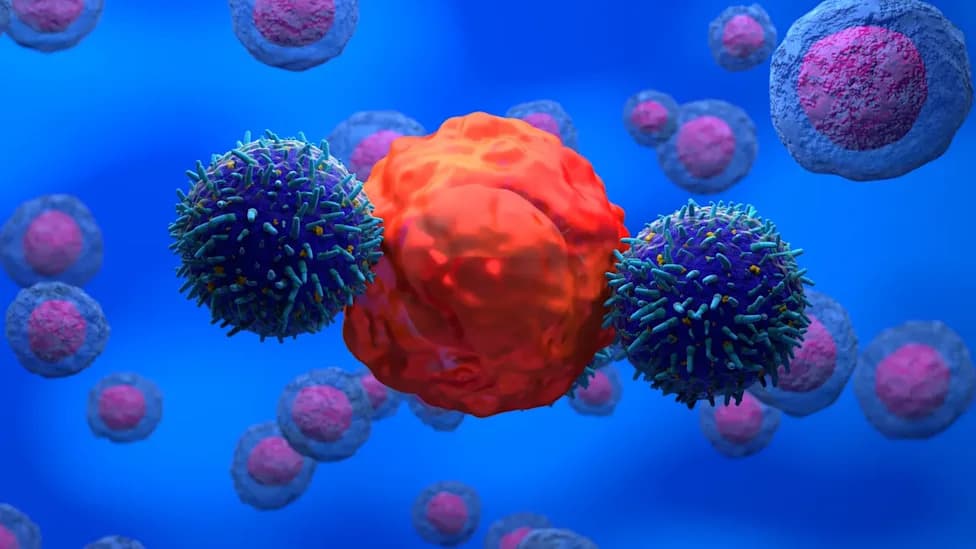
At ASCO 2026, multiple in vivo oncology approaches reported promising early data. Kelonia’s KLN‑1010 achieved a 100% ORR and universal MRD‑negative bone marrow at one month in 18 evaluable multiple myeloma patients, with largely low‑grade CRS. Strand Therapeutics’ EverScript circRNA plus targeted LNPs generated functional CAR‑T cells in vivo in animal models, and Immunocore’s brenetafusp showed a median OS of 14.3 months in 66 heavily pretreated melanoma patients. These results underscore advances in delivery and safety for therapies that create therapeutic immune cells inside patients.
ASCO 2026: In‑Body Cancer Therapies Make Rapid Strides — KLN‑1010 Posts 100% ORR, Strand And Immunocore Report Advances
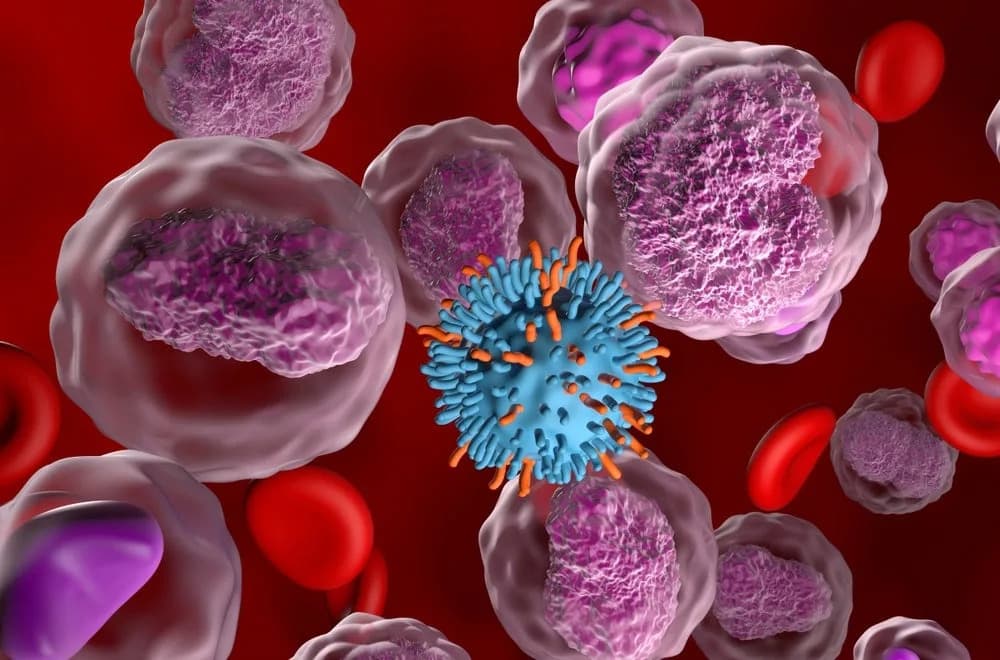
In vivo CAR T therapies are starting to show promise in data released at ASCO 2026. Credit: Nemes Laszlo / Shutterstock.com(Nemes Laszlo / Shutterstock.com)
The 2026 American Society for Clinical Oncology (ASCO) meeting closed with a notable set of early but encouraging results for in vivo cell‑based oncology approaches. Multiple groups reported data showing that therapeutic immune cells can be generated or mobilised directly inside patients, with signals of clinical activity in blood and skin cancers and strong preclinical validation for delivery platforms.
Kelonia’s KLN‑1010: In Vivo CAR‑T in Multiple Myeloma
Kelonia Therapeutics presented Phase I data from the inMMyCAR trial (NCT07075185) of KLN‑1010, an in vivo CAR‑T therapy delivered to patients with multiple myeloma. Among 18 evaluable patients, investigators reported a 100% overall response rate (ORR) and universal minimal residual disease (MRD)‑negative bone marrow at one month post‑treatment. The first treated patient remains in a deep, ongoing MRD‑negative response beyond 10 months.
Of six patients with more than four months of follow‑up, four achieved stringent complete response (sCR) and two achieved very good partial response (VGPR), all maintaining MRD‑negative bone marrow. Kelonia reported robust generation and sustained persistence of CAR‑T cells in peripheral blood and bone marrow, at levels that exceed typical measurements for ex vivo CAR‑T products.
Safety was described as favourable: 16 of 18 patients experienced cytokine release syndrome (CRS), and all CRS events were Grade 1–2. The study observed one Grade 1 and one Grade 3 immune effector‑cell‑associated neurotoxicity syndrome (ICANS) event.
“Early data from Kelonia’s lead in vivo CAR‑T programme continues to demonstrate highly encouraging responses in additional patients, with the benefit of extended follow‑up revealing a consistent pattern of strong clinical responses over time, and a continued favourable safety profile,” said Professor Joy Ho, inMMyCAR investigator at Royal Prince Alfred Hospital, Sydney.
Eli Lilly announced a proposed acquisition of Kelonia in April 2026; the deal remains pending and could be worth up to $7 billion, including a $3.25 billion upfront payment.
Strand Therapeutics: Programmable circRNA + Targeted LNP Delivery
Strand Therapeutics presented preclinical data showing that its EverScript circular RNA (circRNA) platform, when combined with tumour‑targeted lipid nanoparticles (LNPs), can generate functional CAR‑T cells in vivo after intravenous administration. The results demonstrated robust target‑cell elimination in humanised mouse models and in non‑human primates (NHPs).
Strand’s initial clinical programme, STX‑001, uses intratumoral LNP‑encapsulated self‑replicating RNA expressing IL‑12 and has already shown preliminary evidence of systemic immune activation and anti‑tumour activity in patients with advanced solid tumours. Building on that signal, intravenously delivered STX‑003 is being designed for tumour‑targeted expression and to minimise off‑target activity.
Dr Jake Becraft, co‑founder and CEO of Strand Therapeutics, commented: “Generating functional CAR‑T cells inside the body has been a long‑standing goal for the field, and the data show we can do it with the delivery precision and programmable safety controls it requires. The NHP data provide key validation to move this programme forward.”
Immunocore’s Brenetafusp: ImmTAC Approach In Advanced Melanoma
Immunocore presented Phase I/II data for brenetafusp, an ImmTAC (Immune‑mobilising Monoclonal T‑cell Receptor Against Cancer) agent, in heavily pretreated advanced melanoma patients (NCT04262466). In 66 patients receiving brenetafusp monotherapy, median overall survival (OS) was 14.3 months; OS rates were 87% at six months and 57% at 12 months. The disease control rate (DCR) was 52%, and the overall response rate (ORR) was 12%.
The 160 mcg dose cohort produced the most encouraging signals and will be evaluated in an ongoing Phase III trial comparing brenetafusp plus nivolumab (Opdivo) to standard nivolumab regimens in first‑line advanced melanoma (NCT06112314). Brenetafusp’s safety profile was described as predictable and mechanism‑driven; common treatment‑related adverse events included CRS, rash, pyrexia, chills, fatigue, decreased lymphocyte count, nausea and pruritus.
Professor Georgina Long, Medical Director at the Melanoma Institute Australia, said: “Patients who progress on anti‑PD‑1 therapy have limited options, and seeing meaningful disease control in heavily pretreated patients is genuinely promising.”
Why This Matters: These ASCO reports highlight accelerating progress in two key areas: (1) delivery technologies that enable in vivo generation of therapeutic immune cells, and (2) early clinical signals that suggest efficacy with manageable safety profiles. Together, the data support continued investment and rapid clinical development of in vivo cell therapy approaches.
Source: Adapted from reporting originally published by Pharmaceutical Technology (a GlobalData brand). This summary is provided for informational purposes and is not medical advice; consult professionals for clinical decisions.
Help us improve.