UN Secretary‑General Antonio Guterres has told the Security Council a UN uniformed presence will be needed in Lebanon after UNIFIL’s mandate ends on December 31, 2026. He proposed three successor options ranging from nearly 2,000 to more than 5,500 personnel to monitor the Blue Line and support the Lebanese Armed Forces. Lebanon, China and Russia favour a replacement presence; the US and Israel welcomed the decision to end the current mandate. The Security Council must decide on a successor and funding before year‑end.
Guterres Proposes Successor UN Presence in Lebanon as UNIFIL Mandate Ends
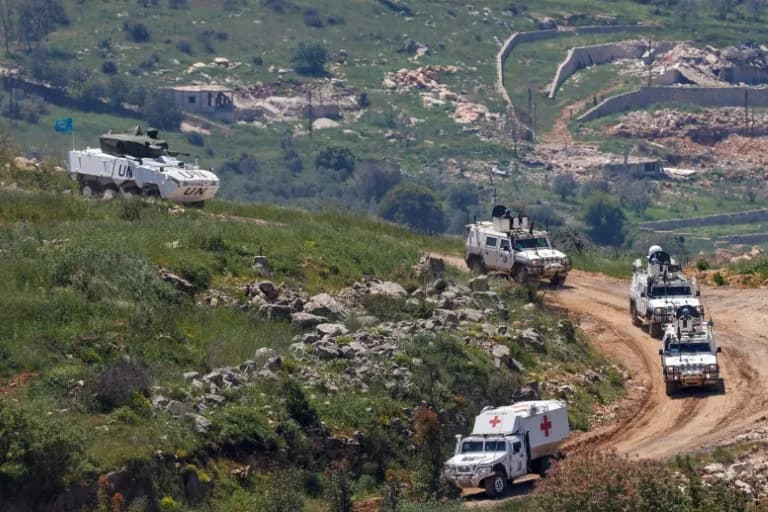
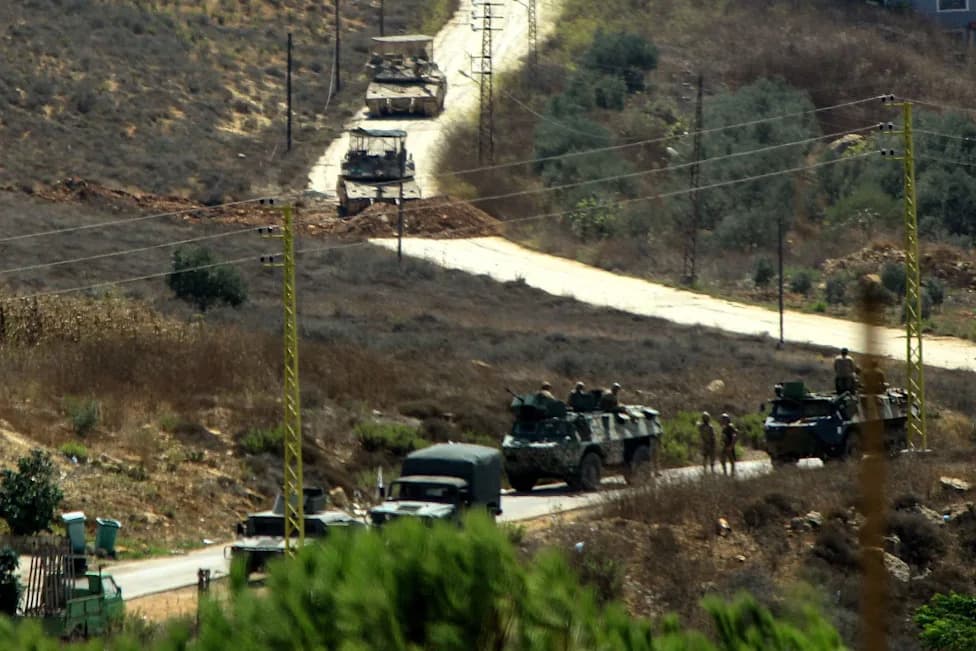
A United Nations convoy drives through southern Lebanon near the border with Israel on April 29 (Jalaa MAREY)(Jalaa MAREY/AFP/AFP)
UN Secretary-General Antonio Guterres told the Security Council that a uniformed United Nations presence will be necessary in Lebanon after the mandate of the United Nations Interim Force in Lebanon (UNIFIL) expires on December 31, 2026. In a report seen by AFP, Guterres outlines three options for a successor presence intended to monitor the Blue Line, support the Lebanese Armed Forces and help prevent a security vacuum.
Three Force Options
The three options proposed by Guterres range from nearly 2,000 personnel to more than 5,500, each designed to monitor any ceasefire, facilitate de‑escalation and provide liaison and coordination with Lebanese authorities. The report stresses that "a uniformed United Nations presence working to facilitate de‑escalation, dialogue, liaison and coordination, and support for the Lebanese Armed Forces, would be necessary... towards the overarching objective of a long‑term solution to the conflict."
Why a UN Presence Matters
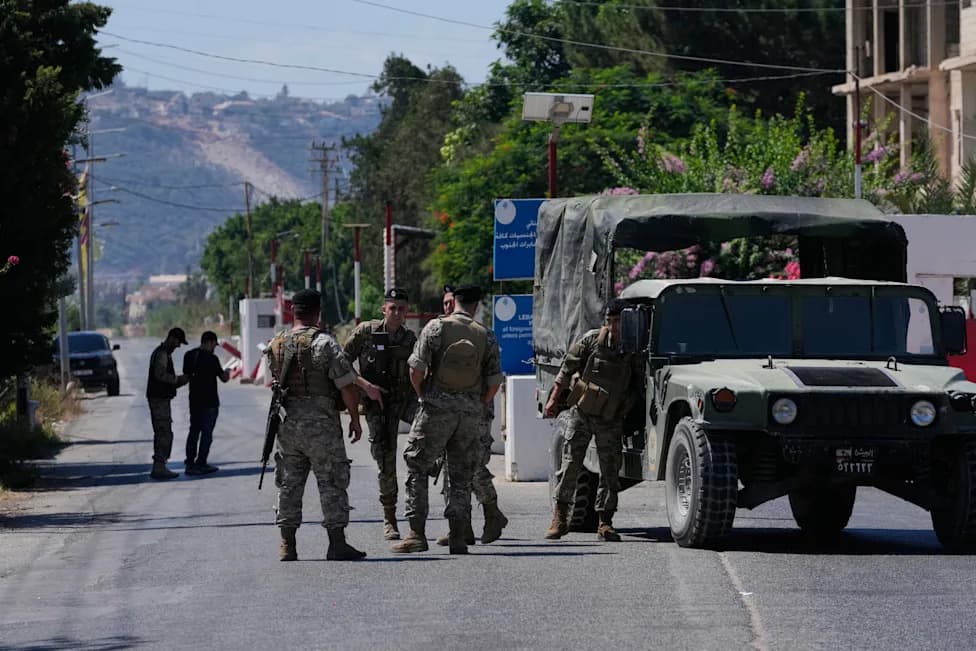
The proposals focus especially on monitoring the Blue Line — the roughly 120‑kilometre (75‑mile) de facto border between Lebanon and Israel — which now sits at the centre of heightened tensions around the Israel‑Hezbollah war. UNIFIL, deployed in southern Lebanon since 1978, currently includes about 7,500 peacekeepers from nearly 50 countries and has long acted as a buffer despite periodic flare‑ups of violence.
Political Reactions
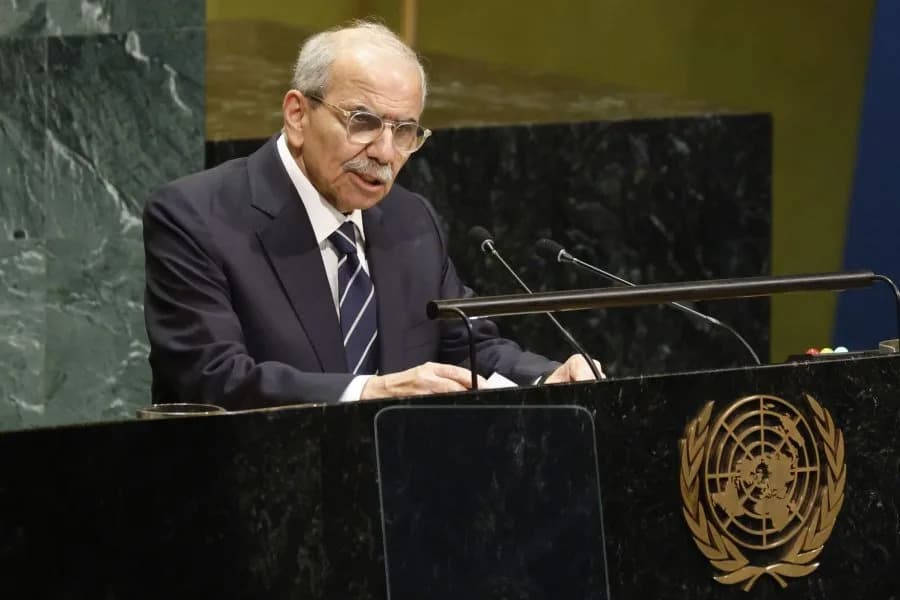
Beirut has signalled support for a continued UN role: Lebanon's UN ambassador, Ahmad Arafa, said the developments "have only heightened Lebanon's urgent need for continued UN and international assistance, specifically to facilitate an Israeli withdrawal on the one hand, and to enable the state to extend its authority over its entire territory on the other."
"The Security Council must make a responsible decision to ensure the continued UN presence in Lebanon, and to prevent a security vacuum," said Fu Cong, China's UN envoy, reflecting support from some council members including Russia and China.
By contrast, the United States and Israel welcomed the Security Council's August vote to end UNIFIL's mandate on December 31, 2026. The report also notes that concerns over the cost and effectiveness of peacekeeping have led the US at times to question and reduce funding for UN operations, a factor that has contributed to global troop reductions in some missions.
Next Steps
The Security Council asked Guterres to present options by June 1. Any decision on a successor force — its mandate, size and funding — will require council approval and is likely to prompt debate among permanent members and regional stakeholders before UNIFIL’s scheduled conclusion at the end of 2026.
Help us improve.