Researchers found that amputated tube feet and tentacles from the scarlet sea cucumber Psolus fabricii have survived independently in running natural seawater for more than three years. The explants remain biologically active—showing immune responses, wound healing, nutrient uptake, structural reorganization and tactile responsiveness. This is the first reported case of long‑term survival and growth of whole animal tissue in an unfiltered seawater setting and challenges how we define tissue viability and regeneration.
Amputated Sea Cucumber Tissue Survives Years in Seawater — Could It Be 'Indefinitely' Alive?
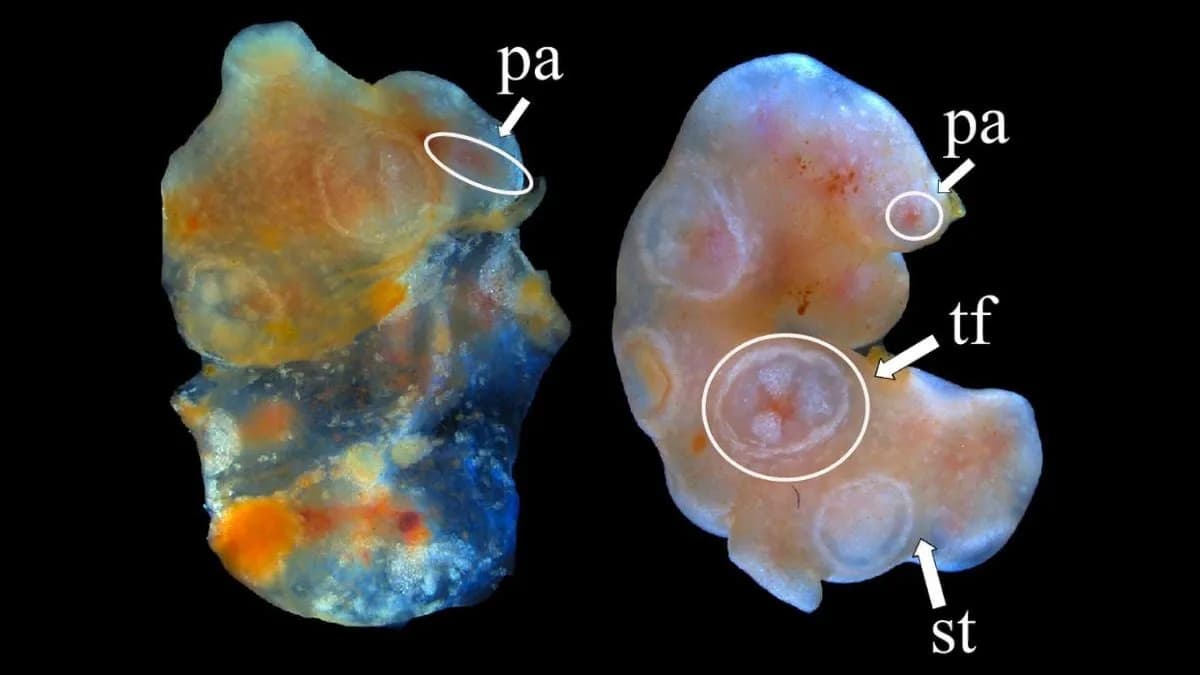
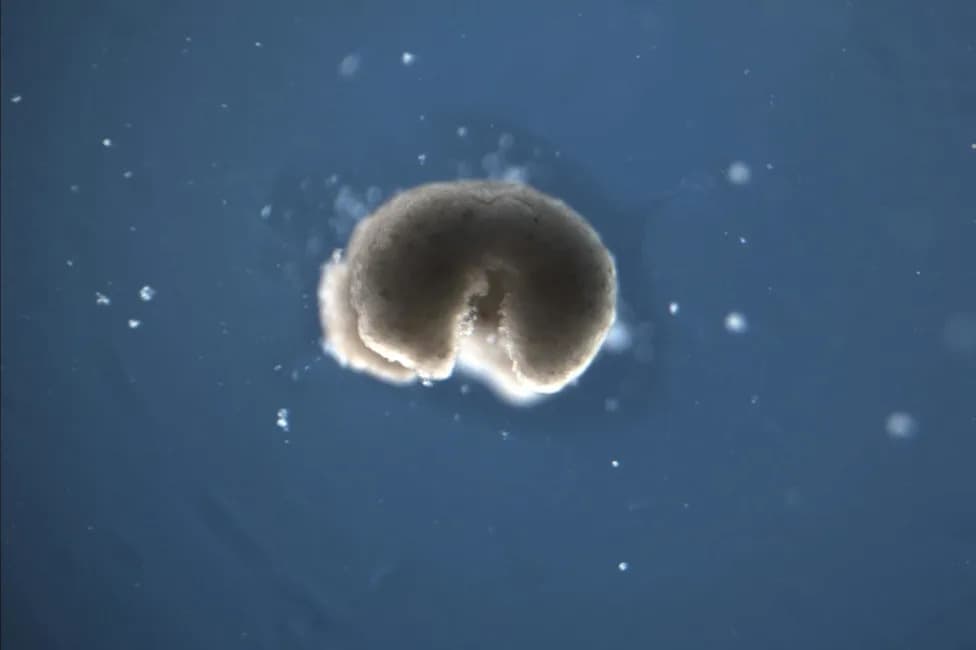
Pieces of excised sea cucumber tissue have survived years and regrown parts. (Jobson et al., Sci. Adv., 2026)
The oceans host some of Earth's longest-lived life forms: glass sponges can persist for more than 10,000 years, quahog clams over 500 years, and a few jellyfish and hydra are famed for near‑immortality through regeneration. Now researchers have uncovered a surprising longevity strategy in a humble sea cucumber.
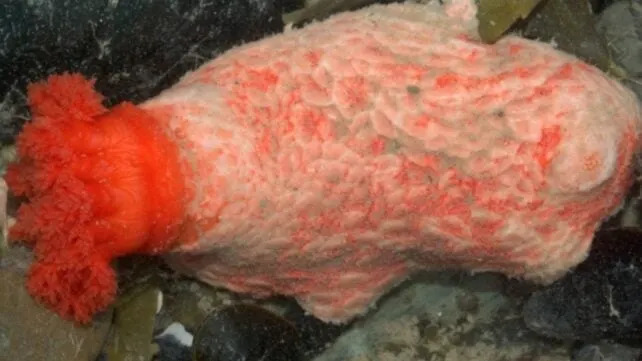
A scarlet sea cucumber (Psolus fabricii). (Nozères, Claude/CC-BY-NC-SA 4.0)
Scientists in Canada report that fragments of the scarlet sea cucumber Psolus fabricii — specifically amputated tube feet and tentacles — have persisted for more than three years in a tank supplied with running natural seawater without decaying. The explanted tissues remain biologically active: they show wound repair, immune activity, nutrient uptake, structural reorganization and even tactile responsiveness.
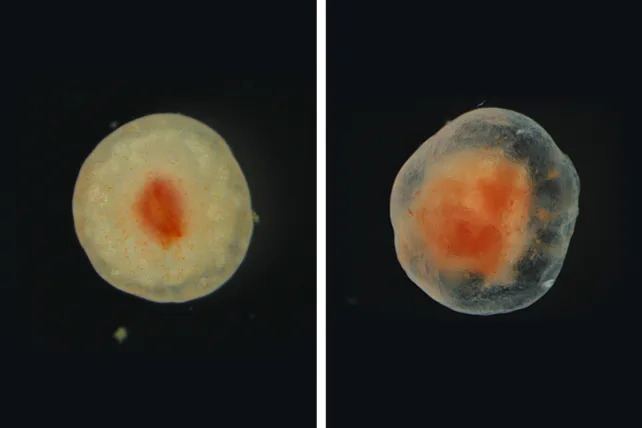
The amputated tissue of a sea cucumber's 'tube foot' one year after amputation (left) versus several years after (right). The change in overall color from red-orange to lighter white and pink reflect pigmented cells forming and consolidating transparent connective tissue. (Sara Jobson)
What the Researchers Observed
After excision, the tissue samples exhibited rapid wound‑healing responses: immune cells mobilized, dead cells were cleared, and the samples began reorganizing their structure. Over months and years the explants absorbed dissolved organic nutrients from the seawater and underwent growth and diversification of cell types. Some isolated tentacles still respond to touch, implying preservation of neural components.
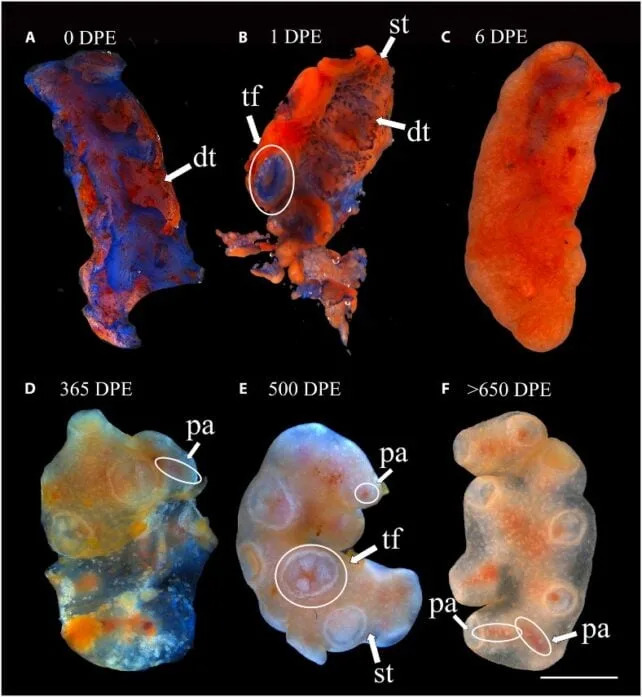
Six days after excision (c), theP. fabriciisamples contained almost no dead tissue (stained blue), and further imaging more than a year later showed regeneration of tube feet (tf). DPE: days post-excision. (Jobson et al.,Sci. Adv., 2026)
"We haven't grown a new, complete sea cucumber yet, but we are seeing pretty stunning growth and diversification of cells literally years after this tissue was removed," says Rachel Sipler, marine biogeochemist at the Bigelow Laboratory for Ocean Sciences.
According to the authors, this is the first documented case of a tissue explant surviving and growing long‑term in an unfiltered, natural seawater environment. The team tested explants from several other sea cucumber species, and none survived beyond roughly 3.5 months, suggesting P. fabricii may be exceptional.

Subscribe to ScienceAlert's free fact-checked newsletter
Why This Is Surprising
Keeping whole pieces of animal tissue alive outside the body is difficult: tissues require complex cell scaffolds, nutrient delivery, and protection from infection. Immortal cell lines exist, but they require highly controlled, sterile lab conditions. By contrast, the sea cucumber explants not only survived but appeared to benefit from the microbial richness of natural seawater, which the researchers say provided nutrients rather than causing decay.
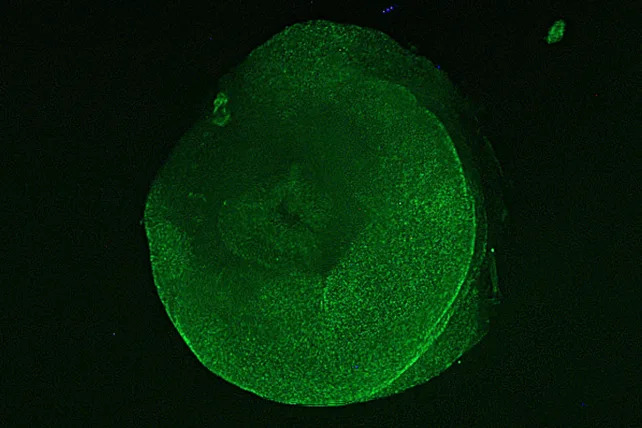
Microscopic image of the excised tube foot with fluorescent staining to show cell differentiation. The denser green colors reflect areas of more active cellular processes. (Sara Jobson)
Sipler and colleagues note the only other tissue culture previously described as "indefinite" came from a chicken embryo, and it lacked the healing and long‑term survival seen in these sea cucumber samples. The new findings were published in Science Advances.
Broader Implications
These observations raise foundational questions about what it means for tissue to be "alive" and how tissues maintain function outside an organism. The results point to potentially novel mechanisms of resilience and regeneration that could inform basic biology and future biomedical research — while remaining preliminary. The team has not yet regenerated complete animals from the explants, and the idea of true tissue “indefiniteness” remains speculative pending further study.
Andrea Bodnar, science director at the Gloucester Marine Genomics Institute, who was not involved in the study, commented: "The fact that tissue explants from a sea cucumber can heal, reorganize, and survive independently for years in natural seawater suggests an entirely new model for biological resilience and tissue regeneration."
Study citation: Sipler et al., Science Advances.
Help us improve.