Key Points: On 9 April the NSF’s Office of Award Management put Duke, Harvard, Princeton and Yale on a “Future Awards To Organization On Hold” list, stalling 33 proposals and slowing new grants. Most affected projects are in mathematics, physical sciences and engineering, including quantum-information research; a Yale-led pandemic programme (VERENA) awaits a >$2M increment. The move follows last year’s contested terminations of awards and a court ruling that limited similar agency actions against Harvard. The NSF and White House have declined or denied comment.
NSF Temporarily Pauses New Grants To Elite Universities, Leaving Dozens Of Proposals In Limbo
Update (28 May 2026): The NSF’s Office of Award Management (OAM) removed a database note that had placed Duke, Harvard and Yale on a “Future Awards To Organization On Hold” list. Agency staff said a small number of grants for researchers at Harvard and Duke have since been released.
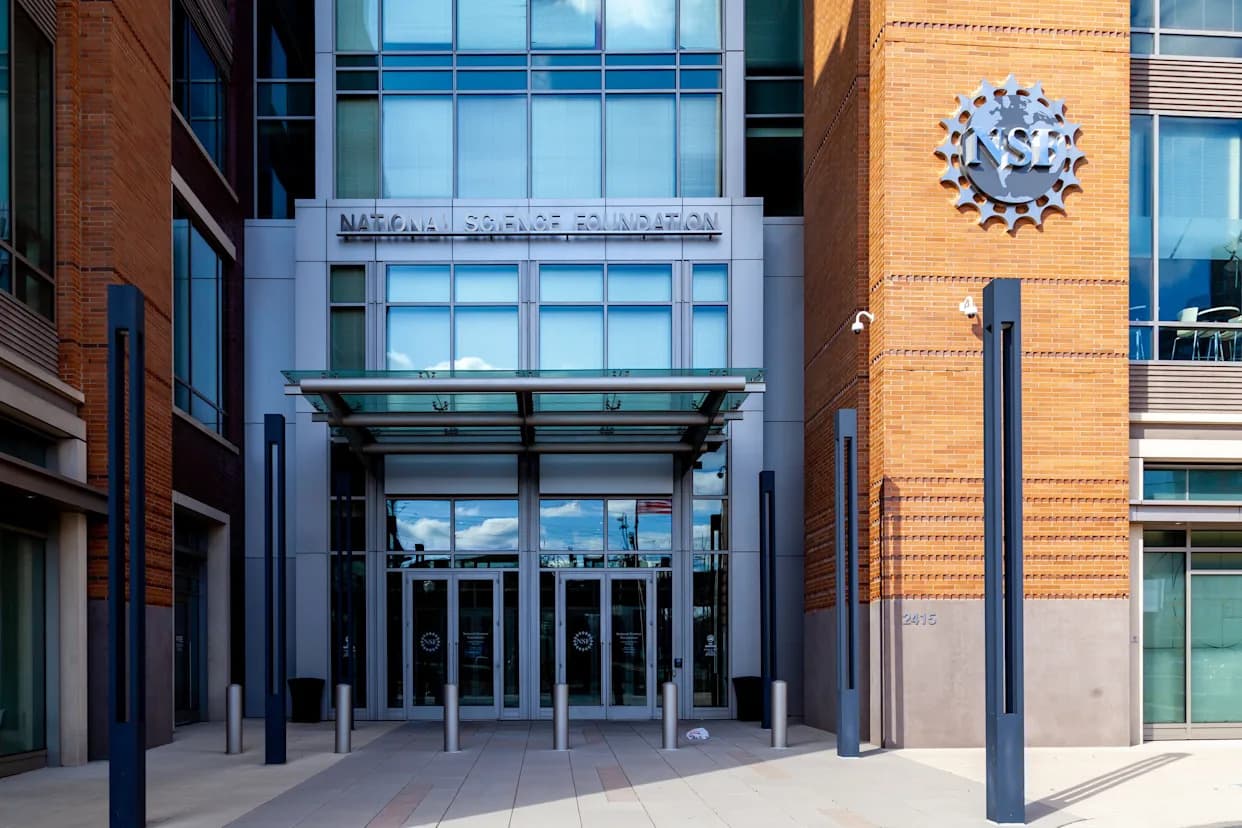
The US National Science Foundation (NSF), a leading funder of basic research, placed restrictive holds on new awards to four elite universities earlier this spring, internal agency documents obtained by Nature show. The action has slowed the flow of new grants and left dozens of proposals waiting for processing.
What Happened
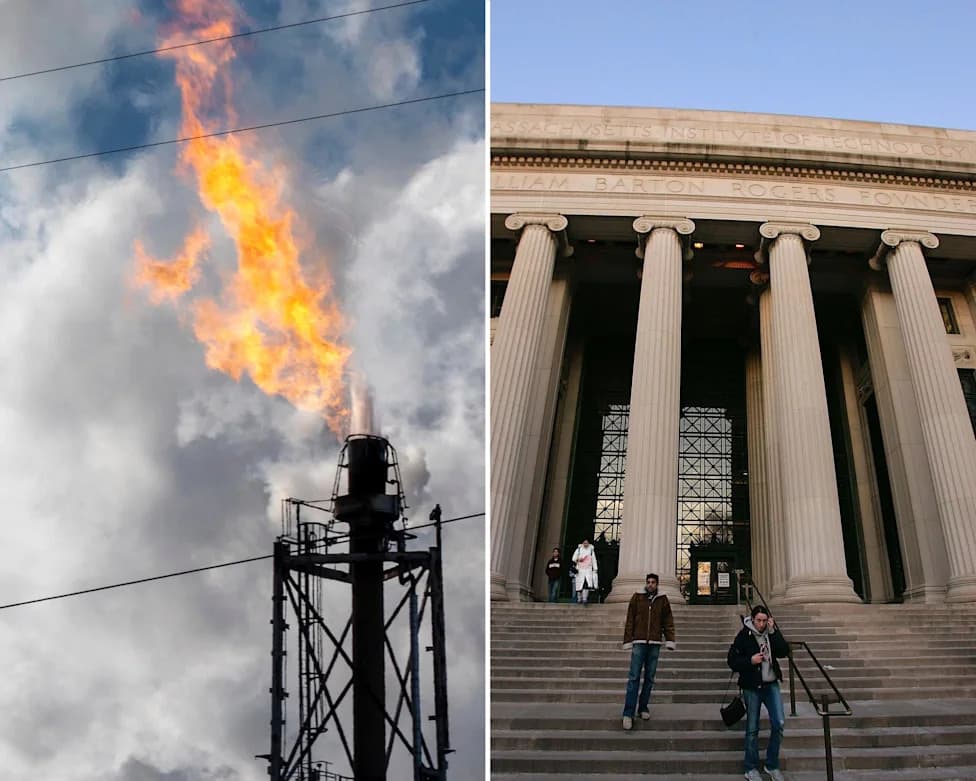
On 9 April the NSF’s Office of Award Management —the unit that finalizes awards and manages grant finances— attached an entry in its database to Duke University (Durham, NC), Harvard University (Cambridge, MA), Princeton University (Princeton, NJ) and Yale University (New Haven, CT) reading: “Future Awards to Organization on Hold.” According to an internal list viewed by reporters, OAM has stalled 33 research proposals from investigators at those institutions or their collaborators.
Scale And Impact
Grant-making at the NSF has been generally slower this fiscal year after a 43-day government shutdown in late 2025 and a delayed agency budget from the White House. Still, OAM’s routine processing time for research awards has averaged about 10 days; the proposals tied to the four universities have been held an average of 91 days. In 2024 the four universities received 218 new NSF awards; so far this fiscal year they have received a combined 13 new grants, and no awards have been issued to investigators at Duke or Harvard since the 9 April hold was applied.
Types Of Research Affected
Roughly 85% of the stalled proposals are in mathematics, the physical sciences and engineering. Several involve quantum information science — a field the administration has flagged as a priority — including a five-year early-career award and funding for a Yale quantum centre. At least one continuing, multi-year grant is also stalled: the Viral Emergence Research Initiative (VERENA), a Yale-led programme to forecast pandemic threats, is awaiting an increment of more than $2 million that a programme officer approved on 20 January but which remained unprocessed at OAM. VERENA’s lead, disease ecologist Colin Carlson, says team members have left and further layoffs are likely if the payment is not released.
Broader Pattern And Legal Context
The restrictions come after high-profile NSF terminations last year under the Trump administration, when several institutions had funding frozen or cut amid allegations of breaches of federal anti-discrimination rules. Harvard sued after the NSF cut roughly 75% of its awards; a federal judge ruled last September that those terminations were unlawful and barred similar agency actions against Harvard going forward. Legal scholars told Nature that the new OAM holds could raise legal concerns in light of that ruling. “The administration has bent itself into pretzels to continue actions against universities it dislikes, even in the face of court orders,” says David Super, an administrative-law expert at Georgetown University.
Other Affected Institutions
Separately, on 13 April the OAM suspended 18 research grants at the University of California, Berkeley, alleging that principal investigators failed to properly disclose some foreign funding from countries including France, South Africa and the United Kingdom. Markita Landry, lead investigator on one suspended UC Berkeley grant, told reporters she could not recall any UK funding and was perplexed by the allegation.
Responses And Next Steps
The NSF declined to comment about the holds or the Berkeley suspensions. The White House denied it was taking action specifically against the four named universities. Princeton’s dean for research, Peter Schiffer, said the agency had not informed Princeton of any blanket action affecting its NSF pipeline. Researchers whose proposals are stalled were largely unaware of the broader hold until contacted by reporters and many declined to speak publicly, citing fear of reprisal by agency leadership.
Why It Matters: The pause threatens near-term research projects, early-career awards and multi-year programmes in strategic fields such as quantum information and pandemic preparedness, with potential layoffs and disrupted research timelines if funds do not flow.
As of the 28 May update, some restrictions have been eased for Duke, Harvard and Yale, and a few grants have been released for Harvard and Duke. However, uncertainty remains about whether all holds have been lifted and what prompted the original action.
Originally published by Nature on 27 May 2026. This version improves clarity, chronology and context while preserving all reported facts.
Help us improve.