Researchers at the University of Sydney analyzed nearly 12,000 koala admissions in New South Wales (2020–2022) and linked them to seven- and 14-day temperature averages. The study, published in Biology Letters, found risks of hospital admission or death rise above 80°F and increase sharply above 86°F, with adults 1.5–3.5× more likely to be admitted or die than at 77°F. Scientists warn heatwaves amplify threats like habitat loss, drought and disease and may push vulnerable local populations, such as Gunnedah’s, toward extinction without action.
Rising Heat Raises Koala Hospitalizations and Deaths, Study Warns
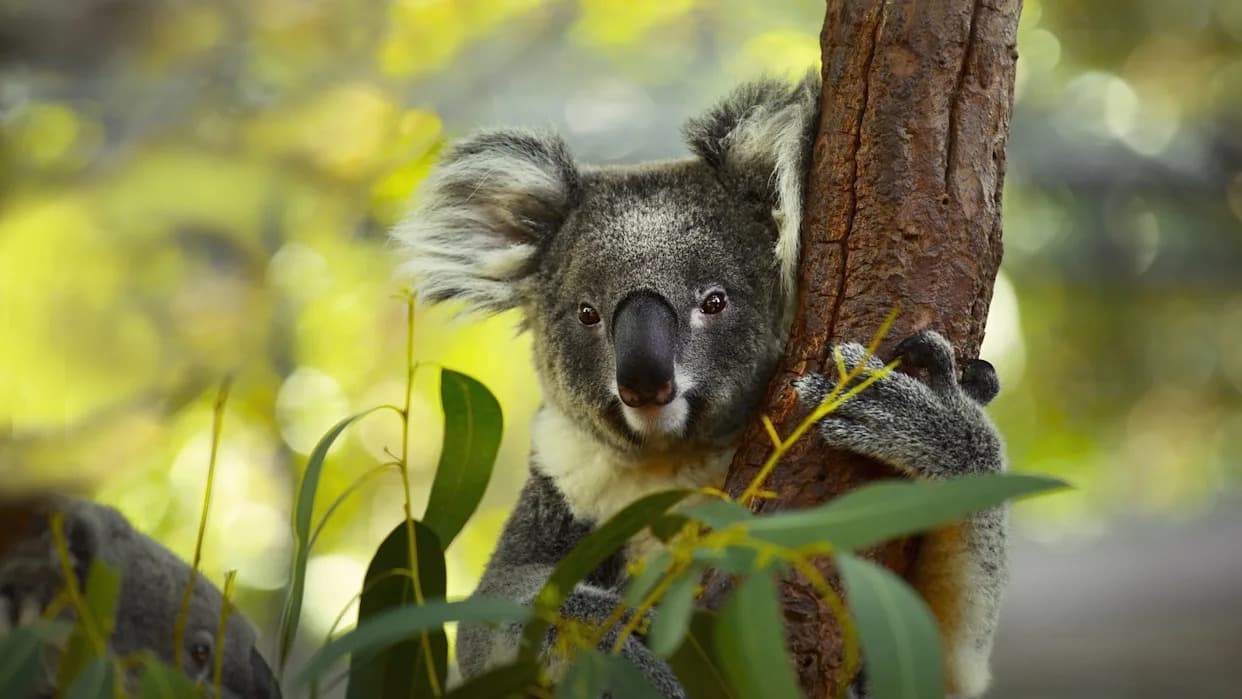
Photo Credit: iStock
A University of Sydney study has produced the clearest evidence to date that short-term spikes in air temperature are linked to higher rates of hospital admission and death among koalas in New South Wales.
Study Details
Researchers reviewed nearly 12,000 koala admission records from three koala hospitals and one rescue service across New South Wales between 2020 and 2022. They matched each admission and any deaths after admission to seven-day and 14-day average temperatures surrounding the rescue date, using the location where each animal was found to link to local temperature records. The analysis was published in Biology Letters.
Key Findings
The study found that the risk of hospital admission or death began to rise once the seven-day maximum daily temperature exceeded 80°F, and increased sharply above 86°F. At temperatures above 86°F, adult koalas were estimated to be 1.5 to 3.5 times more likely to be admitted to hospital or to die than at 77°F, the average temperature during the study period.
“This research provides the most comprehensive link between rising temperatures and koala mortality,” said lead researcher Dr. Valentina Mella.
Koalas already face major pressures from habitat loss, drought and disease—especially chlamydiosis—and the researchers found these threats can become significantly more dangerous during heat events. In some regions, particularly inland northwest New South Wales, wildlife hospitals, volunteer rescuers and local communities are increasingly burdened as heatwaves push animals beyond their limits. The study also notes that the Gunnedah koala population on the Liverpool Plains is now considered functionally extinct.
Koalas employ behavioral strategies to cope with heat—seeking shade, conserving water and pressing against cooler tree trunks—but the authors warn such tactics may fail during longer or more intense heatwaves. Dr. Mella cautioned that a continued rise in temperatures and more frequent droughts could push already vulnerable populations closer to extinction without proactive intervention.
Implications and Actions
The findings underline the need for targeted conservation measures: protecting and restoring cool, connected habitat; incorporating heat impacts into recovery planning; and strengthening support for wildlife hospitals and rescuer networks. Proactive, locally tailored interventions could reduce heat-driven mortality and help stabilize vulnerable koala populations.
Help us improve.