The Local Government Association warns that abolishing Healthwatch would weaken independent scrutiny of local health and social care and risk organisations effectively overseeing their own performance. The government says transferring Healthwatch functions to integrated care boards and local authorities will bring patient feedback closer to decision-makers and reduce bureaucracy. Healthwatch supports more than 150 local offices, 500+ staff and about 4,000 volunteers. Councils are urging ministers to co-design a clear, independent replacement model with local government.
Councils Warn Scrapping Healthwatch Would Let NHS 'Mark Its Own Homework' — Calls For Clear Independent Replacement
[Getty Images]
The Local Government Association (LGA) has warned that plans to abolish Healthwatch — the independent body that amplifies patients' views on local health and social care — risk leaving the NHS effectively "marking its own homework" and weakening independent scrutiny.
What Is Healthwatch?
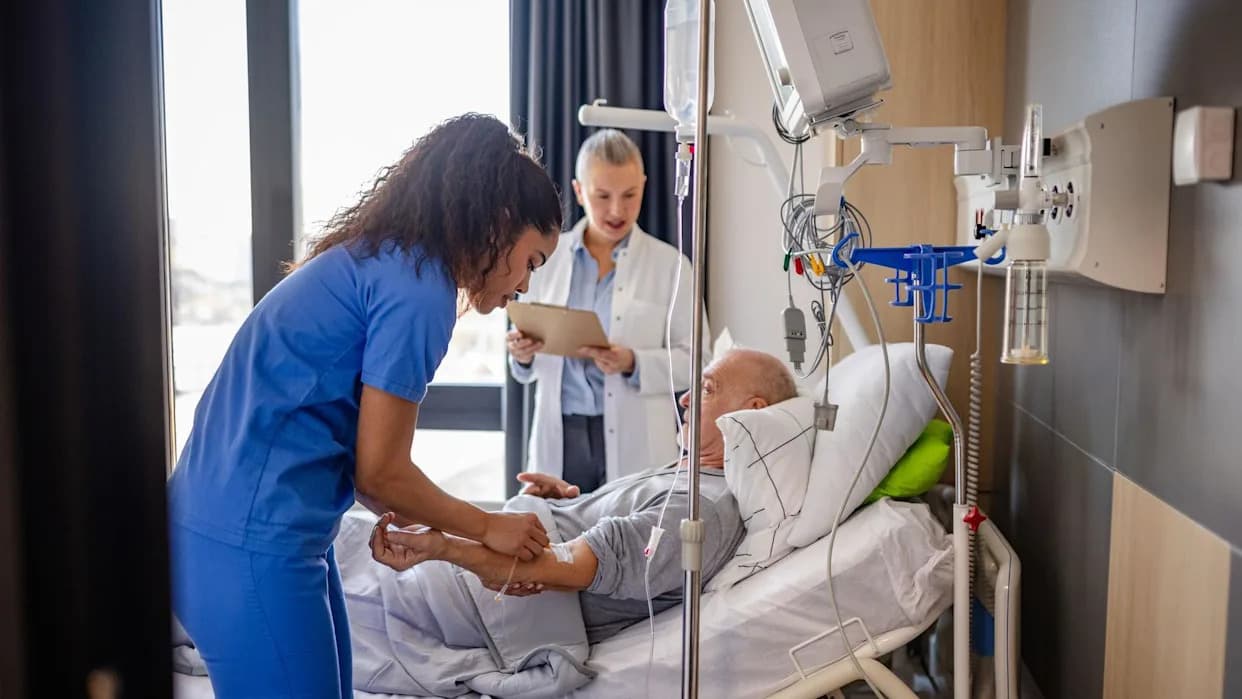
Healthwatch acts as a locally rooted, independent advocate for patients, gathering and relaying people’s experiences to influence improvements in health and social care. It operates through more than 150 local offices in England, supported by over 500 staff and around 4,000 volunteers.
Why Councils Are Concerned
The LGA told BBC News that abolishing Healthwatch without a clear, independent alternative could create a "fragmented system" and produce gaps or duplication in accountability. Under current proposals in the NHS Modernisation Bill, Healthwatch’s responsibilities would transfer to integrated care boards (ICBs) and local authorities — organisations that would then have to respond to feedback about services they themselves oversee.
"Without an independent, locally rooted voice to challenge and represent communities, there is a risk of duplication and gaps in accountability," the LGA said.
Councillor Dr Wendy Taylor MBE, chair of the LGA’s health and wellbeing board, warned this change would be akin to health services "marking their own homework" and urged ministers to work with local councils to design a clear and workable replacement that preserves independence.
Government Position
The Department for Health and Social Care (DHSC) says transferring Healthwatch functions closer to decision-makers will "simplify the patient safety landscape" and give patients "a stronger, clearer voice at the heart of health and social care." The government argues the reforms — which also propose dismantling NHS England and returning operational control to the department — will cut bureaucracy and redirect resources to frontline services.
Implications and Next Steps
The proposals are included in the NHS Modernisation Bill, which was scheduled for a second reading on Monday 1 June. Critics say moving watchdog duties into ICBs and local authorities risks undermining independent oversight and widening the gap between health and social care. The LGA is calling on ministers to co-design any replacement model with local government to ensure continued independent scrutiny and public confidence.
Healthwatch Statutory Roles
- Sitting on local health and wellbeing boards and safeguarding adults boards
- Collecting and reporting people’s experiences of local health and social care services
- Producing reports and recommendations for service improvement
- Advising the public about accessing services and explaining options
- Working with Healthwatch England to advise the Care Quality Commission on special reviews or investigations
The debate highlights a key tension in the reform package: balancing a perceived need to streamline decision-making with the requirement for independent, locally accountable scrutiny of services that affect patients and communities.
Help us improve.